








 CoinDesk
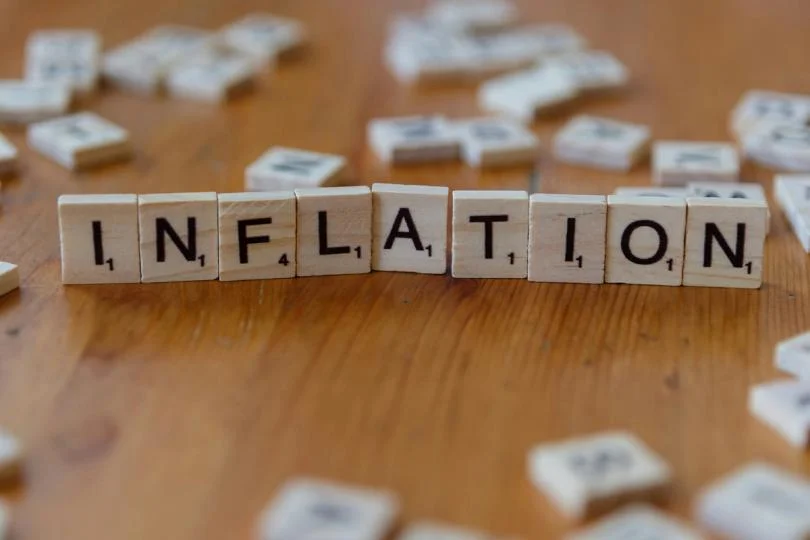



BlackRock is treating Wednesday's May U.S. CPI release as the first clean read on whether the U.S.–Iran conflict is feeding an energy shock into an already sticky inflation backdrop. The Reuters economist poll points to a 4.2% year-over-year print — the sharpest since April 2023 and up from 3.8% in April — well above the Federal Reserve's 2% target.
"We look to May U.S. inflation figures for a clearer read on how the Mideast conflict energy shock is impacting already sticky inflation. The full breadth of the shock has yet to show and will depend on how it evolves," BlackRock Investment Institute wrote in its weekly market commentary. Bitcoin was already under pressure heading into the report, shedding nearly 14% last week to trade under $60,000.
Why it matters
A 4.2% CPI print would re-price the Fed path away from the cuts markets were pricing in earlier this year and toward further hikes, which is the structurally bearish combination for risk assets including crypto. Higher-for-longer borrowing costs typically pull capital out of long-duration and speculative positions, and Bitcoin's drawdown last week shows the demand side has already started thinning out.
BlackRock is leaning on CPI not as a backward-looking number but as a probe for the energy channel — the firm explicitly wants to see how much of the Mideast dislocation is actually flowing through to consumer prices. The May print is the earliest signal; June and July data will confirm whether the shock is transitory or durable.
Market impact
The tail risk BlackRock names is a prolonged closure of the Strait of Hormuz stretching into July, which the firm warns could collide with U.S. oil inventories hitting four-decade lows and push the energy component of CPI materially higher. A sustained supply disruption would tighten financial conditions through the inflation channel even before the Fed reacts, compounding the headwind for crypto.
Bitcoin has so far traded sideways around $62,600 as risk-averse investors wait for the data and next week's Fed meeting.

Frequently asked questions
-
Who is warning about the energy shock?
BlackRock Investment Institute flagged the risk in its weekly market commentary, treating Wednesday's CPI as the first clean read on whether the Mideast conflict is feeding into U.S. inflation.
-
What is the May CPI expected to show?
Economists polled by Reuters forecast a 4.2% year-over-year increase, the sharpest since April 2023, up from 3.8% in April and well above the Fed's 2% target.
-
Why does the Strait of Hormuz matter for inflation?
BlackRock warns a prolonged closure into July could collide with U.S. oil inventories hitting four-decade lows, pushing the energy component of CPI materially higher.
-
How does higher CPI affect crypto?
Higher-for-longer borrowing costs typically pull capital out of risk assets. Bitcoin already fell nearly 14% last week to under $60,000 as the rate path repriced.
-
What are derivatives markets signalling ahead of CPI?
Negative funding, put-heavy positioning, steady open interest and reduced liquidations point to persistent caution — a setup that typically resolves once the print lands.
 CoinTelegraph
 TheBlock
 WatcherGuru
 CZ Binance
 WuBlockchain