


 CryptoSlate
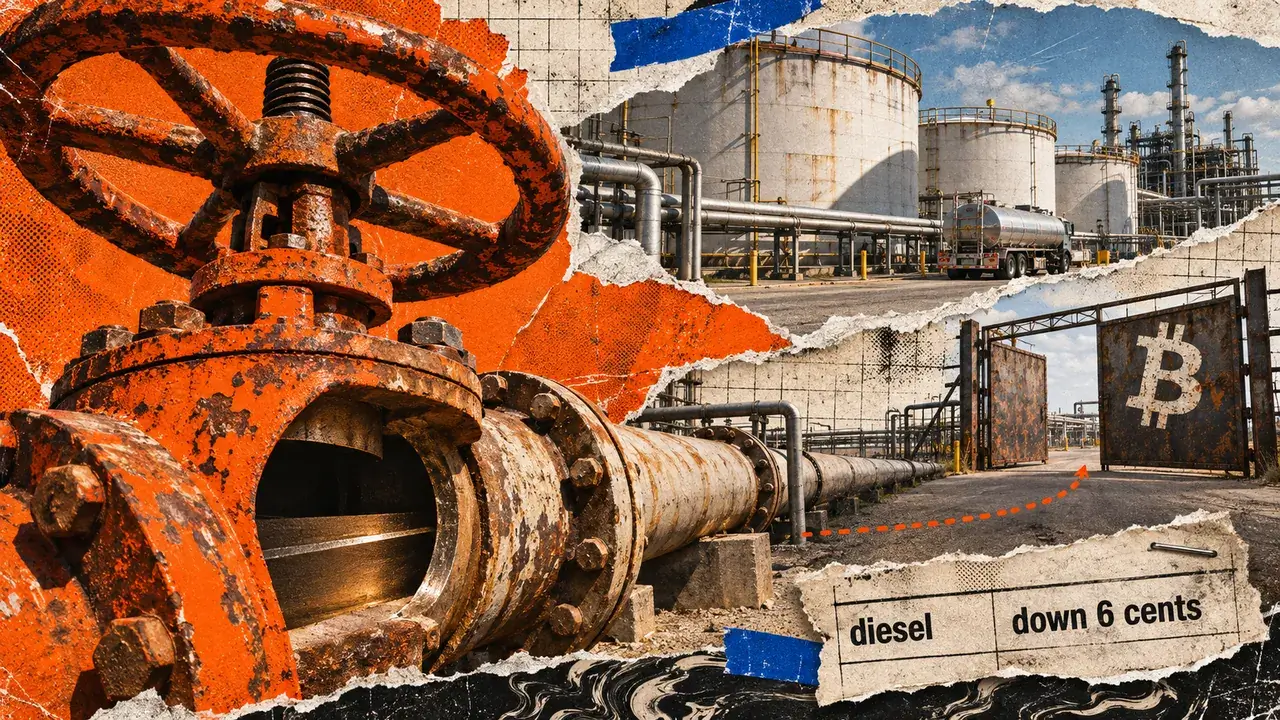
US distillate fuel inventories slipped below 100 million barrels for the first time in this cycle's data run, with the Energy Information Administration reporting stocks of 99.26 million barrels for the week ended Oct. 30, down 3.57 million from 102.82 million a week earlier. The draw left inventories 13% below their five-year average even as surveyed prices eased: on-highway diesel averaged $6.29 a gallon on Nov. 2, down 6 cents weekly, and residential heating oil fell 9.2 cents to $6.14. Both fuels remain brutally expensive year over year, up $2.54 and $2.51 a gallon respectively.
Why it matters
Diesel powers freight and heating oil lands directly on household bills, so persistent fuel costs feed the very inflation metric the Fed said remains elevated when it held rates at 3.75% to 4% on Oct. 28. Research keeps the linkage explicit: the IMF's August 2023 working paper The Crypto Cycle and US Monetary Policy found Fed tightening drags crypto prices down through investors' willingness to take risk.
If thinning distillate stocks keep upward pressure on fuel prices, that pressure slows broader inflation relief, and slower relief delays the easier financing conditions Bitcoin investors are waiting for. Refinery utilization did climb to 94.5% from 92.8%, but distillate production still edged down to 5.154 million barrels a day, so higher activity coexisted with a further draw on stocks.
Market impact
There is no immediate Fed or market reaction embedded in this single weekly print. The watch item is EIA's next petroleum report, due Nov. 12 at noon Eastern for the week ended Nov. 6. Sustained inventory rebuilding alongside falling fuel prices would deflate the inflation concern and clear a path toward rate relief. Continued draws would keep the stock buffer in focus, with consequences for BTC only if the fuel-pressure channel reaches headline inflation and, through it, financing conditions.

Frequently asked questions
-
How low did US distillate inventories fall in the week ended Oct. 30?
The EIA reported distillate fuel oil stocks of 99.26 million barrels, down 3.57 million from 102.82 million a week earlier, leaving inventories 13% below their five-year average.
-
Why do diesel prices matter for Bitcoin investors?
Diesel powers freight and heating oil adds to household bills, so persistent fuel costs can slow broader inflation relief. That delays Fed easing, and IMF research links Fed tightening to lower crypto prices through reduced investor risk appetite.
-
What are current US diesel and heating-oil prices?
On-highway diesel averaged $6.29 a gallon on Nov. 2, down 6 cents in a week, and residential heating oil averaged $6.14, down 9.2 cents. Both remain roughly $2.50 a gallon above year-earlier levels.
-
What did the Fed decide on interest rates in late October?
The Fed held its target range at 3.75% to 4% on Oct. 28 and said inflation remained elevated, a decision that preceded the Oct. 30 inventory release.
-
When is the next EIA petroleum report, and what would change the picture?
The next weekly report is due Nov. 12 at noon Eastern, covering the week ended Nov. 6. Sustained inventory rebuilding alongside lower fuel prices would weaken the inflation concern, while continued draws would keep it in focus.
 WatcherGuru
 WuBlockchain
 CoinTelegraph
 CoinDesk