


 CryptoSlate
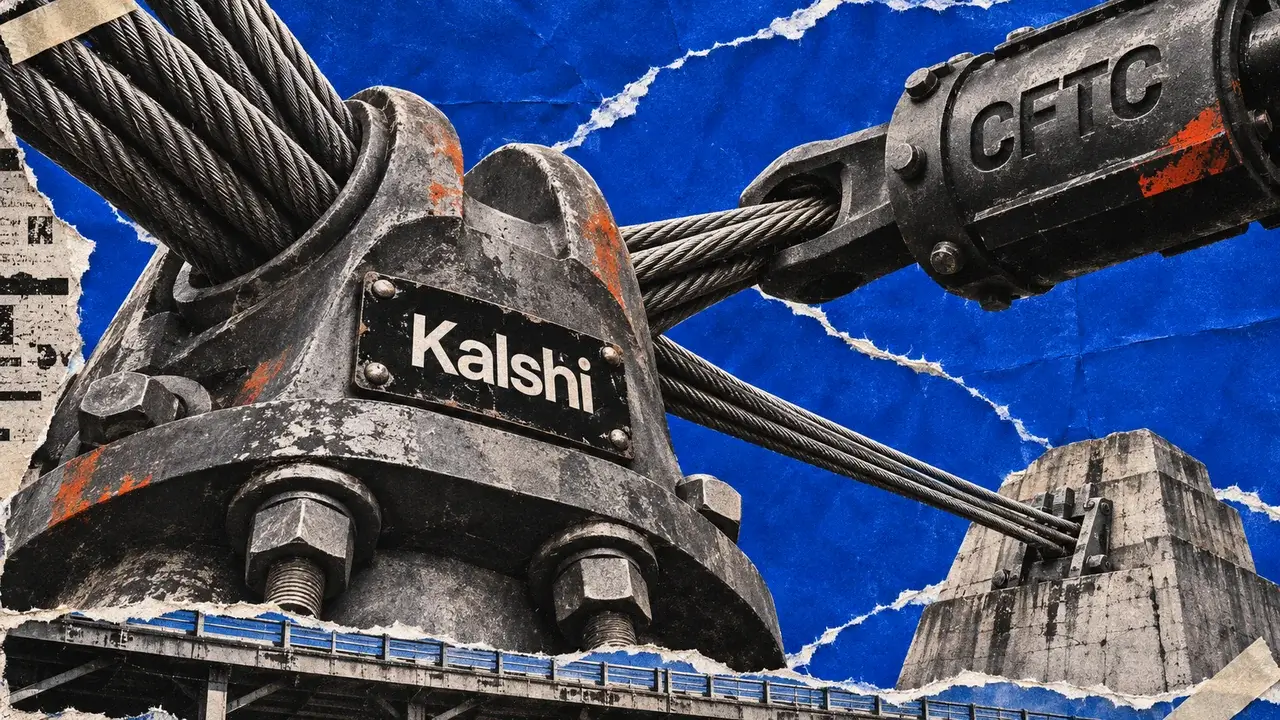

The Commodity Futures Trading Commission on November 5 gave US derivatives exchanges 30 days to remove domestic geographic restrictions that violate its impartial-access rules, or explain why compliance is not feasible. The directive applies to designated contract markets and extends to intermediaries accessing their markets, putting fresh federal pressure on the geofencing controls prediction market Kalshi relies on to keep sports-event contracts out of restricted states.
Why it matters
The Commission's interpretation challenges the Sixth Circuit's September 25 reasoning, which held that exchanges could use geographic limits while still meeting federal obligations. But it does not undo the court's separate holdings: Kalshi failed to show its sports contracts meet the statutory swap definition, and the Commodity Exchange Act did not preempt Ohio and Tennessee gambling laws. The CFTC argues that excluding eligible traders fragments liquidity and weakens price discovery, pointing to election markets where local participants may carry useful information.
A separate CFTC proposal published October 19 would expressly fold sports, political, cultural and weather event contracts into the swap definition, with comments due November 18.
Market impact
Crypto distribution sits inside the blast radius. Phantom's wallet lists Kalshi prediction markets across the US except Michigan, Nevada and Washington, so the 30-day window is an operational test for crypto-owned access channels. A November 4 federal order separately enjoined Kalshi from offering sports contracts on California Tribes' lands, with boundary maps due November 13. Kalshi's response to New Jersey's Supreme Court petition is due December 7, a potential route for the justices to take up the federal-state dispute. The immediate tell is which barriers exchanges remove and which they explain to the Division of Market Oversight.
Frequently asked questions
-
What did the CFTC order derivatives exchanges to do on November 5?
Remove domestic geographic restrictions that violate its impartial-access rules within 30 days, or explain why compliance is not feasible. The directive covers designated contract markets and intermediaries accessing their markets.
-
How does the CFTC's position conflict with the Sixth Circuit's Kalshi ruling?
In September the court held exchanges could use geographic limits while meeting federal obligations. The CFTC now says otherwise eligible US participants generally should not be excluded by geography, though it does not reverse the swap-classification or preemption holdings.
-
Where is Kalshi unavailable through the Phantom wallet?
Phantom's availability table lists Kalshi prediction markets across the US except Michigan, Nevada and Washington, with restrictions varying by market category and Kalshi holding and approving the trading accounts.
-
When is Kalshi's response to New Jersey's Supreme Court petition due?
December 7. The petition came from the Third Circuit case and could give the justices a route to address the federal-state dispute if they grant review, though the docket shows no grant yet.
-
What is the CFTC's argument against geofencing prediction markets?
The Commission says excluding eligible traders can fragment liquidity and weaken price discovery, highlighting election markets where local participants may contribute useful information as a cost of geographic exclusion.
 Crypto Rank News
 WuBlockchain
 CoinDesk
 TheBlock