


 CoinDesk
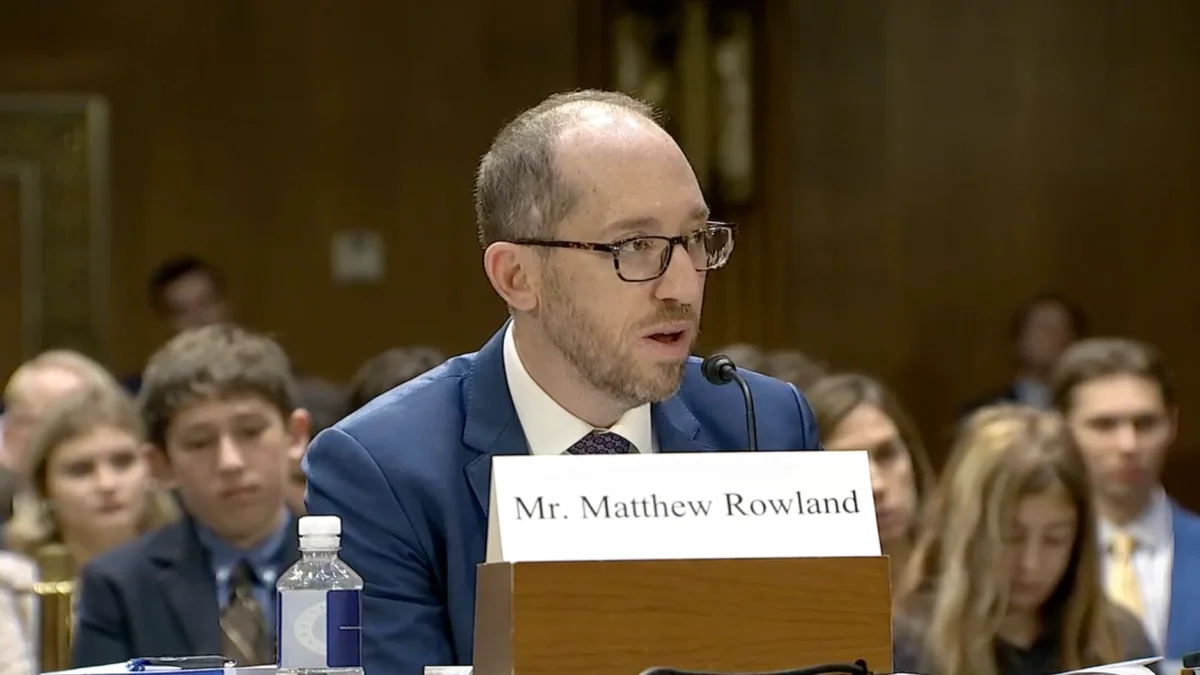


President Donald Trump's two nominees to the Commodity Futures Trading Commission spent more than an hour at a Tuesday Senate Agriculture Committee hearing on prediction markets, and neither committed to backing away from the agency's current approach. Democratic nominee Matthew Rowland said federal law requires the CFTC to weigh the public interest against the economic usefulness of event contracts, urging the agency to "think long and hard" about that balance. Republican nominee Nathan Anonick called the issue charged and emotional and said he would follow any Supreme Court ruling that settles it.
Why it matters
Prediction markets sit at the center of an existential legal fight. Firms including Kalshi, Polymarket and Coinbase operate betting platforms as CFTC-regulated exchanges. Some federal courts have declared the business model akin to a casino and therefore subject to state regulation, and many states have sued the firms on gambling-law grounds. The companies and their regulator argue that their status as federal derivatives exchanges shields them from state law, and one federal court has agreed with that reading. Until the Supreme Court resolves that boundary, the operators keep operating under a contested regulatory premise.
The hearing also reached into political conflicts. Senator Raphael Warnock asked whether the president's personal business ties, including Donald Trump Jr.'s direct involvement in the industry, should affect how the CFTC treats companies with business dealings with the Trump family, citing reports that senior career officials had been stopped from looking into such firms. Rowland said the law needs to be enforced "without fear or favor," and Anonick said it should apply equally to everyone regardless of who is involved.
Market impact
The structural issue is institutional capacity. The CFTC has lost roughly a quarter of its previous staff under Chairman Mike Selig and the administration's workforce reduction campaign, even as its jurisdiction has expanded significantly into prediction markets and crypto. The commission now has one sitting member against a statutory five.
Frequently asked questions
-
Who are the two CFTC commissioner nominees?
Matthew Rowland, the Democratic nominee, and Nathan Anonick, who served on the Republican staff of the Senate Agriculture Committee. Both were nominated last week by President Trump and are widely expected to be confirmed before the session ends, joining Chairman Mike Selig.
-
What did Rowland say about prediction markets?
He said federal law directs the CFTC to evaluate the public interest in trading certain event contracts, and that the agency should "think long and hard about balancing the public interest against the kind of economic usefulness of these contracts."
-
What is the legal fight over prediction markets?
Some federal courts have declared the model akin to a casino subject to state regulation, and many states have sued on gambling-law grounds. Kalshi, Polymarket and Coinbase, along with the CFTC, argue their federal derivatives status shields them, and one federal court has agreed.
-
How much staff has the CFTC lost?
The commission has lost about a quarter of its previous staff under Chairman Mike Selig and the administration's workforce reduction campaign, even as its jurisdiction has expanded into prediction markets and crypto. Both nominees said they were open to staff increases.
-
Why were the Trump family's ties to prediction markets raised?
Senator Raphael Warnock asked whether the president's ties, including Donald Trump Jr.'s direct involvement in the industry, should affect how the CFTC treats firms with business dealings with the Trump family. Both nominees said the law must apply equally and without fear or favor.
 TheBlock
 WuBlockchain
 CoinTelegraph
 CryptoSlate
 WatcherGuru