








 CoinDesk
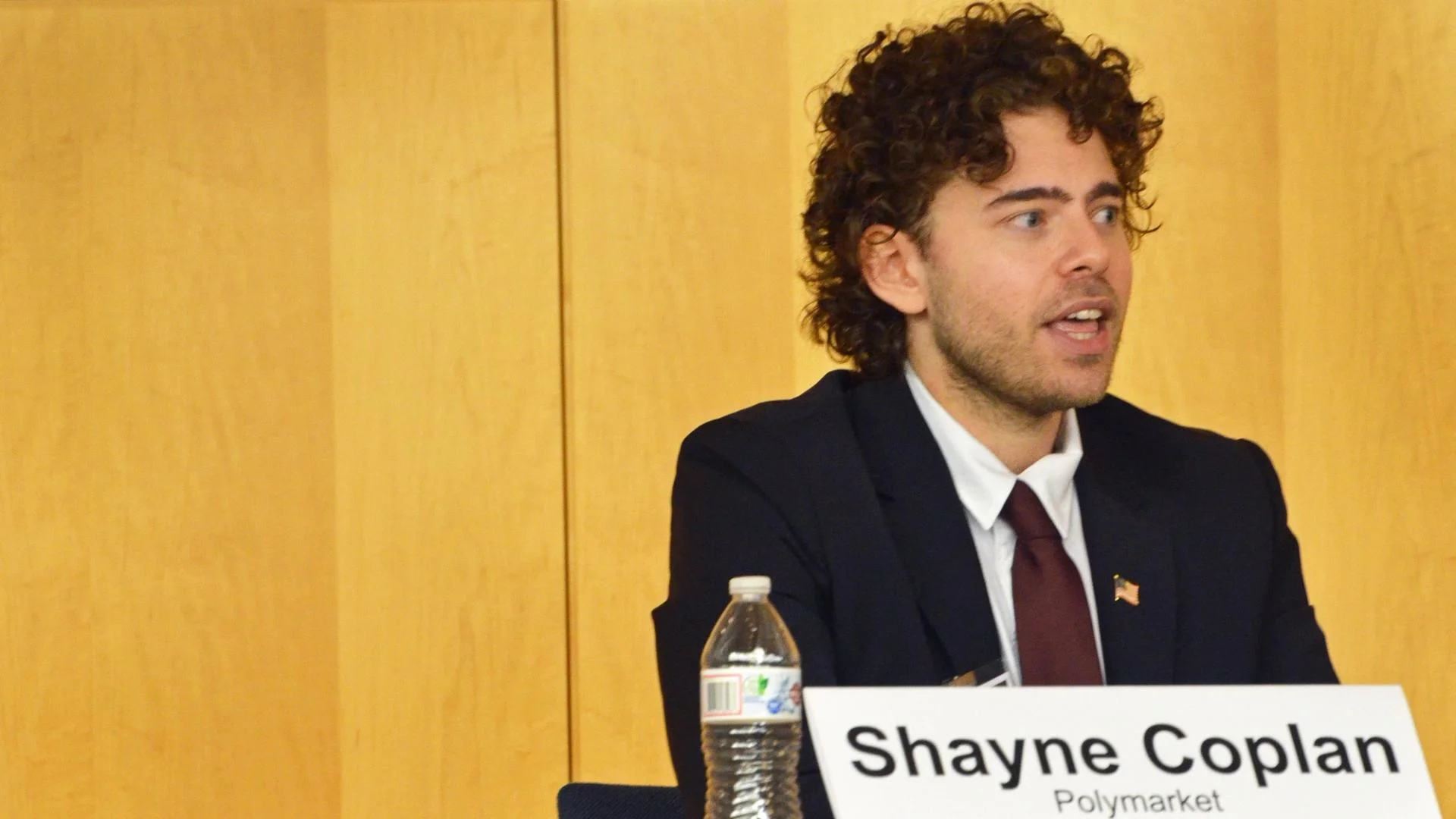


Polymarket is replacing the single-price snapshot used to settle its short-dated crypto contracts with a time-weighted average price (TWAP) delivered through Chainlink Data Streams, after months of trader complaints and a Stanford-Singapore Management University study identified systematic settlement manipulation. Five-minute contracts will resolve on a 30-second average, while 15-minute and four-hour markets will use a 60-second window, making last-second price pushes on Binance materially more expensive. The platform is also adding $1 million in liquidity rewards across all impacted markets through August to keep books functional during the transition.
Why it matters
The shift closes a structural loophole flagged by onchain analysts as early as May, when pseudonymous researcher Variance Lover documented large Polymarket positions paired with same-direction Binance orders in the final seconds before settlement. The Stanford-SMU paper examined roughly two months of five-minute bitcoin contracts and identified 821 accounts that earned $8.2 million in settlement windows classified as likely manipulated. Excluding market makers, 93% of the losses in those windows fell on retail traders, and the researchers found that bets the market treated as near-certain were overturned one time in three.
Market impact
Polymarket's new model mirrors Kalshi's, which settles through a CF Benchmarks index with a 60-second moving average and identity-verified traders, and which runs 150 to 250 material investigations per quarter with 40 to 50 CFTC referrals so far this year. The change shifts the cost of manipulation from retail takers to would-be manipulators, who now have to move price through a window rather than at a single instant. For Binance, last-second liquidity demand at settlement is likely to thin out, while the Chainlink Data Streams integration positions the oracle as the new plumbing layer for prediction-market resolution across the sector.


Frequently asked questions
-
Why is Polymarket changing how its 5-minute crypto markets settle?
A Stanford-Singapore Management University study found 821 accounts extracted $8.2M from settlement windows classified as likely manipulated, with 93% of losses falling on retail. Polymarket is replacing single-price snapshots with TWAPs delivered through Chainlink Data Streams to make last-second pushes too costly.
-
How does Polymarket's new TWAP settlement system work?
Five-minute contracts will resolve on a 30-second time-weighted average, while 15-minute and four-hour markets use a 60-second window. Prices are delivered through Chainlink Data Streams, which feeds the TWAP computation.
-
How does Polymarket's approach compare to Kalshi's?
Kalshi resolves markets through a CF Benchmarks index with a 60-second moving average and identity-verified traders. The platform conducts 150 to 250 material investigations per quarter and has referred 40 to 50 cases to the CFTC so far this year.
-
What evidence of manipulation did the researchers find?
The Stanford-SMU paper examined two months of five-minute bitcoin contracts and identified unusually large Binance orders in the final seconds before settlement, followed by rapid reversals. Bets the market treated as near-certain were overturned one time in three.
-
What is Polymarket doing to support liquidity during the transition?
Polymarket is adding $1 million in liquidity rewards across all impacted markets through August. The shift moves five-minute contracts to a 30-second TWAP window and 15-minute and four-hour markets to a 60-second TWAP window.
 CoinTelegraph
 TheBlock
 WuBlockchain
 Crypto News
 Glassnode
 CryptoSlate
 Crypto Capital Venture