








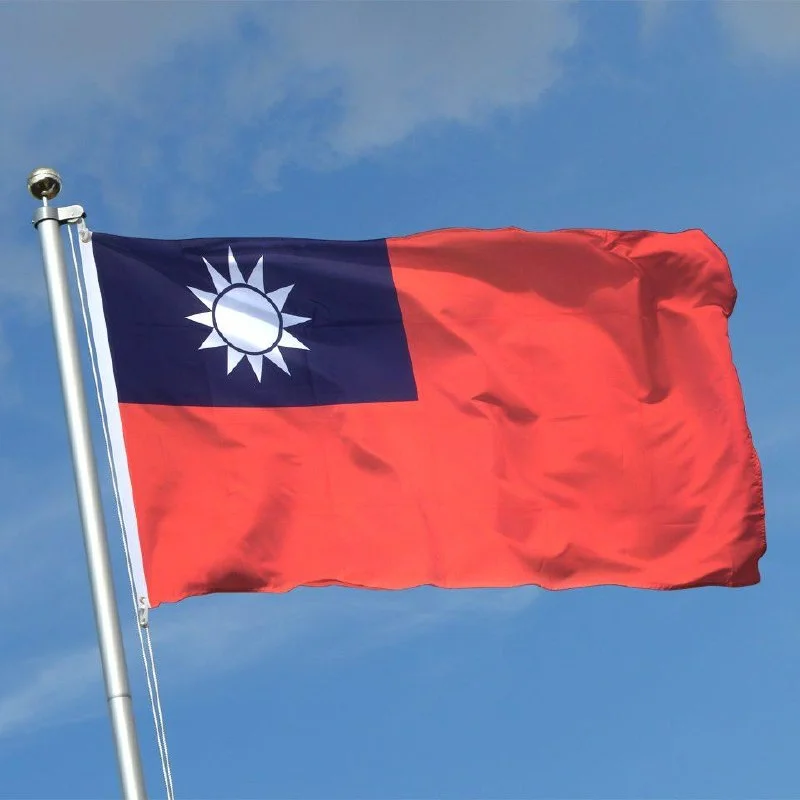

Taiwan's legislature passed a law establishing a regulatory framework for cryptocurrency exchanges and stablecoin issuers, including penalties for fraud and market manipulation. The bill ends years of uncertainty for an industry that operated in a grey zone, with platforms now required to register, meet capital and compliance standards, and disclose reserves.
Why it matters
Taiwan's crypto market has been among the most active in Asia, with retail participation running high and a dense network of local exchanges serving cross-border flows. Until now, the absence of a dedicated statute left enforcement reliant on general banking and securities rules, which rarely fit crypto-native fraud or stablecoin reserve claims. A purpose-built framework gives prosecutors a cleaner toolkit and gives compliant platforms legal certainty that has been missing.
Market impact
Stablecoin issuers gain a defined registration path with reserve and audit requirements, narrowing the gap with regimes in Singapore, Hong Kong, and the EU's MiCA. Exchanges face onboarding, segregation, and reporting obligations that will likely consolidate volume toward a smaller set of licensed venues. The manipulation and fraud penalties also open a direct enforcement route, raising the cost of wash trading, insider trading on tokenised assets, and unbacked stablecoin issuance.
Frequently asked questions
-
What does Taiwan's new crypto law actually cover?
It establishes a regulatory framework for crypto exchanges and stablecoin issuers, including registration, capital and compliance standards, reserve disclosure, and penalties for fraud and market manipulation.
-
Why is this a significant move for crypto in Taiwan?
Taiwan's crypto market has been among the most active in Asia, but it operated in a regulatory grey zone. The new statute gives prosecutors a crypto-specific enforcement toolkit and gives compliant platforms legal certainty for the first time.
-
How does Taiwan's framework compare with other Asian regimes?
It moves Taiwan closer to Singapore, Hong Kong, and the EU's MiCA, all of which have introduced dedicated rules for stablecoin issuers and exchange conduct, narrowing the gap with regional peers.
-
What does it mean for stablecoin issuers operating in Taiwan?
Issuers gain a defined registration path with reserve and audit requirements, replacing ad-hoc oversight with a structured regime that brings Taiwan in line with major Asian and European markets.
-
What market effects should investors watch for next?
Onboarding, segregation, and reporting obligations are likely to consolidate trading volume toward a smaller set of licensed venues, while new manipulation penalties raise the cost of wash trading and unbacked issuance.

 WatcherGuru
 CoinDesk
 Crypto News
 WuBlockchain