








 WatcherGuru
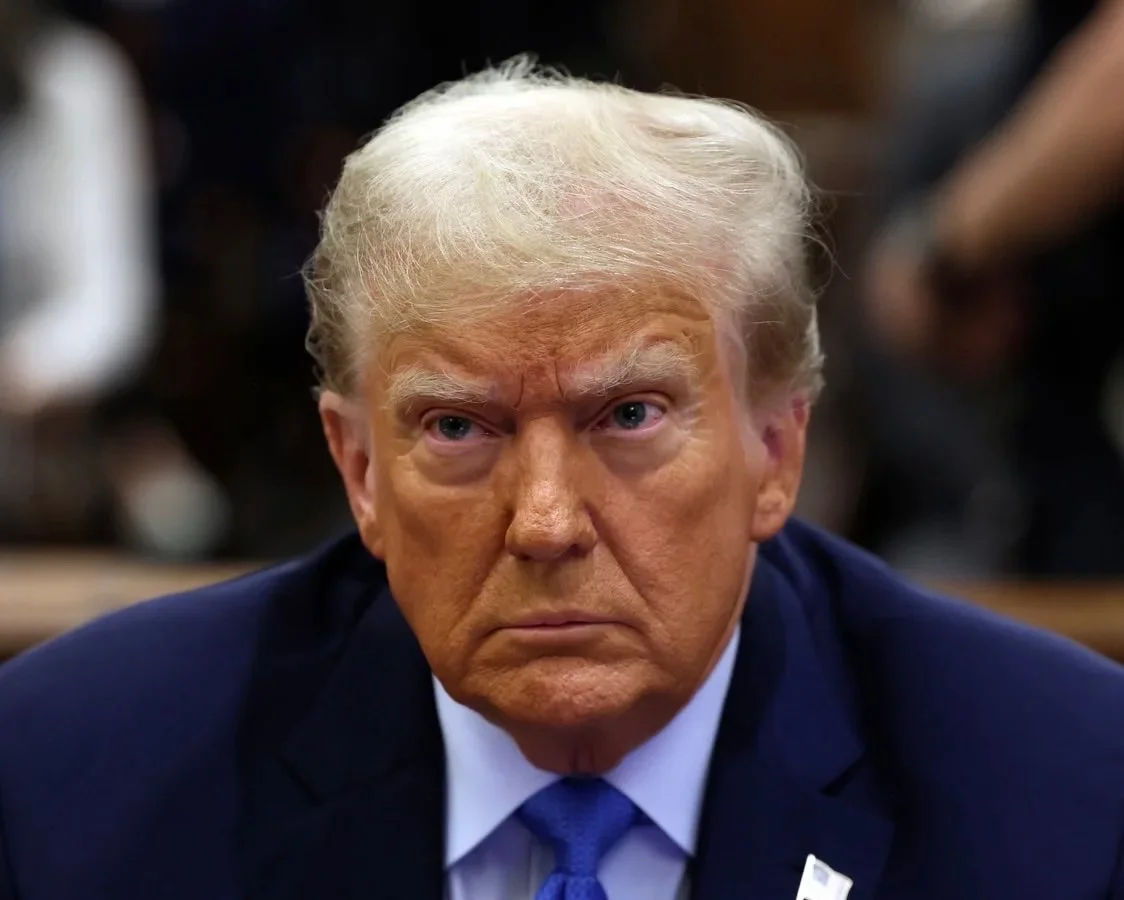
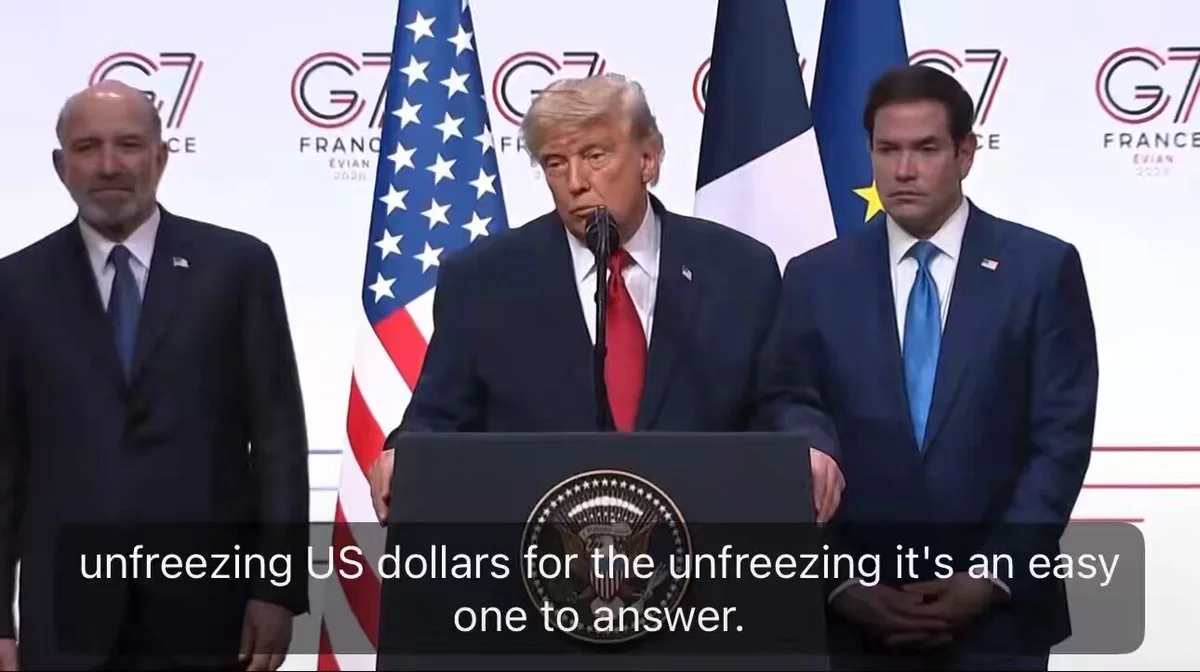
President Donald Trump stated that the United States intends to return frozen Iranian assets to Tehran, framing the decision in straightforward terms: "It's not our money, it's their money."
Why it matters
Frozen Iranian assets — estimates have historically ranged into the tens of billions of dollars — have been a central lever in US sanctions policy toward Tehran for decades. Any release would represent a significant reversal of that posture, potentially easing financial pressure on Iran at a moment when nuclear negotiations and regional tensions remain unresolved. The statement echoes the logic behind the 2015-era JCPOA-linked asset releases, which drew fierce political opposition at the time.
Market impact
A genuine thaw in US-Iran relations carries direct implications for global oil supply: Iran holds substantial proven reserves and has historically increased export volumes when sanctions ease. Crude prices and energy equities would be the first-order read. Broader risk assets, including crypto, could see modest tailwinds if the move is read as a de-escalation signal in a region that has repeatedly injected geopolitical risk premium into markets.
Frequently asked questions
-
How large are Iran's frozen assets that Trump is referring to?
Estimates of frozen Iranian assets have historically ranged into the tens of billions of dollars, held across various jurisdictions as a result of decades of US-led sanctions.
-
What would a return of frozen assets mean for US-Iran nuclear negotiations?
Releasing frozen funds would reduce a key source of financial pressure on Tehran, potentially creating goodwill for diplomatic progress but also drawing criticism from those who view asset freezes as leverage in nuclear talks.
-
How could this decision affect global oil prices?
Iran holds significant proven oil reserves, and past sanctions relief has led to higher Iranian export volumes. A genuine easing of financial restrictions could increase supply and put downward pressure on crude prices.
-
Has the US returned Iranian frozen assets before, and what happened?
During the 2015 JCPOA nuclear deal, the US and allied nations unfroze Iranian assets as part of the agreement. The move drew significant political opposition domestically and was later reversed when the Trump administration withdrew from the deal in 2018.
-
What is the potential impact on crypto and broader risk assets?
Geopolitical de-escalation in the Middle East has historically reduced risk premiums across asset classes. If the statement is read as a credible thaw in US-Iran relations, modest tailwinds for risk assets including crypto are plausible, though follow-through on a formal agreement is the key variable.
 CoinTelegraph
 Crypto News
 CoinDesk
 Lookonchain
 CryptoSlate
 Altcoin Daily