








 CoinDesk
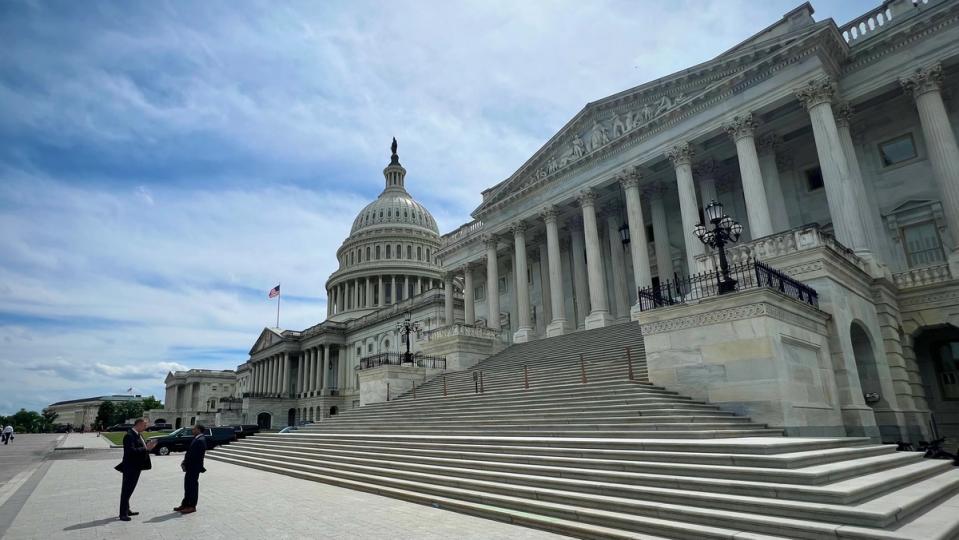



The U.S. Senate passed its bipartisan housing affordability bill on Monday night by an 85–5 vote, and tucked inside the 21st Century ROAD to Housing Act is a four-year prohibition on the Federal Reserve issuing a central bank digital currency or any substantially similar digital asset directly or through intermediaries. The ban runs through the end of 2030, and the House is expected to follow suit as soon as Tuesday before sending the package to President Donald Trump for his signature.
The provision amounts to a legal wall around a project that never really got started. The Fed has not been actively building a CBDC, and prior chair Jerome Powell had previously signaled that even a hypothetical version would be operated through banks rather than as a direct retail instrument. New Fed Chair Kevin Warsh went further during his nomination hearing, calling a U.S. CBDC a "bad policy choice," and Trump signed an executive order in January 2025 barring his administration from pursuing one on civil liberties and financial stability grounds.
Why it matters
The vote formalizes a bipartisan legislative consensus against a digital dollar that runs parallel to Trump's January executive order. By writing the ban into statute rather than leaving it as executive policy, Congress has made the prohibition durable across administrations until 2030, which is the part Eurodollar and stablecoin policy watchers will read closely. The text explicitly bars the Fed from issuing a CBDC "directly or indirectly through a financial institution or other intermediary," closing the wholesale-bank route Powell had previously left open.
Market impact
The immediate crypto-market signal is on the stablecoin and tokenized-RWA side. A four-year statutory freeze on a U.S. retail CBDC reduces the prospect of direct Fed competition with private stablecoins like USDT and USDC, and removes a policy overhang that has hung over U.S. dollar digitalization debates since 2022.

Frequently asked questions
-
What did the U.S. Senate actually vote on regarding a CBDC?
The Senate passed its bipartisan housing affordability bill 85–5 on Monday night, and the package includes a four-year prohibition on the Federal Reserve issuing a central bank digital currency or any substantially similar digital asset, directly or through intermediaries, through the end of 2030.
-
Was the Federal Reserve already building a CBDC before this vote?
No. The Fed was not actively pursuing a CBDC. Former Chair Jerome Powell had indicated any hypothetical version would be operated through banks rather than as a direct retail instrument, and new Chair Kevin Warsh called a U.S. CBDC a "bad policy choice" during his nomination hearing.
-
Why was a CBDC ban inserted into a housing bill?
Republican lawmakers had been running an aggressive opposition campaign framing a digital dollar as government surveillance overreach. With Trump having signed a January 2025 executive order against a CBDC, congressional allies inserted the prohibition into the unrelated 21st Century ROAD to Housing Act as the moving…
-
What does this mean for stablecoins like USDT and USDC?
A four-year statutory freeze on a U.S. retail CBDC removes the prospect of direct Fed competition with private dollar stablecoins and clears an overhang that has hung over U.S. dollar digitalization debates since 2022, giving issuers of USDT, USDC, and tokenized-RWA dollar products more runway.
-
How does this change the global CBDC race?
The U.S. is now legally sidelined from retail CBDC work through at least 2030, while the European Central Bank's digital euro targets a pilot next year and a full launch in 2029, and China's digital yuan is already live through the People's Bank of China. The U.S. prohibition makes the transatlantic and transpacific…
 WatcherGuru
 CoinTelegraph
 CryptoSlate
 Crypto News