








 CoinDesk
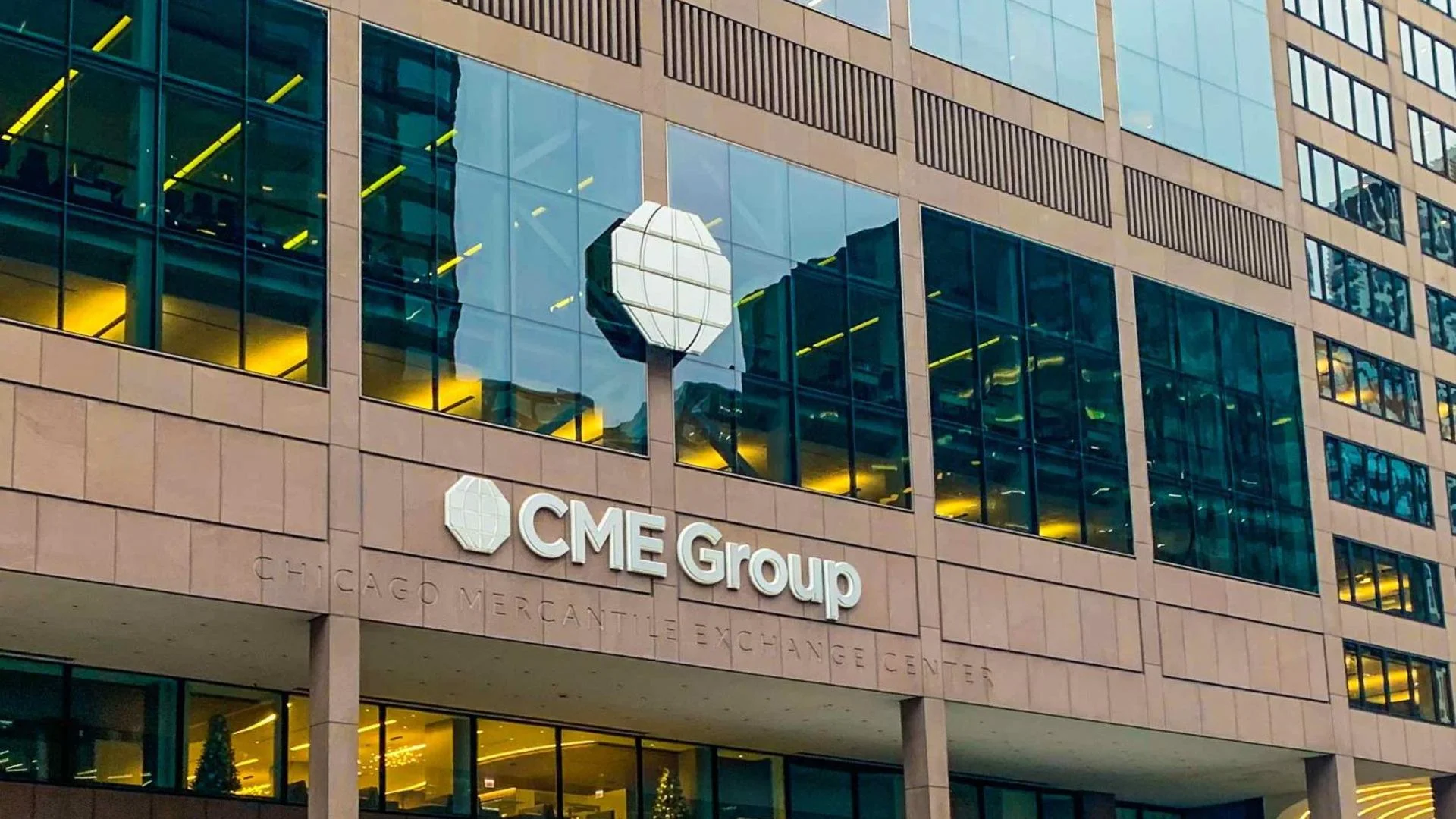


XRP futures trading is migrating toward CME even as overall leverage in the market contracts. Between Aug. 17 and Aug. 31, total open interest across the market fell 16% to about 2.34 billion tokens while XRP's price climbed roughly 40% from under $1 to $1.38. CME bucked the trend, adding about 36% to its own XRP futures book and lifting its share of outstanding exposure from around 10% to roughly 17%.
Why it matters
The migration matters because CME is the venue US institutional money is required or inclined to use. When the regulated exchange's share of a token's futures market grows from 10% to 17% during a rally, it suggests professional allocators are building or hedging positions rather than chasing the move on offshore platforms. Dealers and asset managers added roughly 60 million and 28 million XRP of net-long exposure respectively over the same window, reinforcing that read.
The shift lands days before a US Senate procedural vote on the CLARITY Act, the market-structure bill that has moved XRP several times this year. XRP jumped about 5% when the legislation cleared the Senate Banking Committee in May, and another positive procedural step would likely extend the rotation toward regulated venues.
Market impact
Leveraged funds ran the other way, more than doubling their net-short position to roughly 116 million XRP equivalent, though those contracts often hedge holdings elsewhere rather than reflect outright bearish bets. The combination of falling aggregate leverage, growing CME share, and a price up nearly 40% in two weeks is unusual: traders usually rotate into regulated venues when they are getting defensive, not while the chart is climbing.

Frequently asked questions
-
Why does CME's growing share of XRP futures matter?
CME is the regulated US venue where institutional and professional money trades. A rising share during a rally suggests professional allocators are building positions through regulated infrastructure rather than offshore exchanges.
-
How much did XRP rise while this rotation was happening?
XRP climbed roughly 40% between Aug. 17 and Aug. 31, moving from under $1 to about $1.38.
-
What is the CLARITY Act and why does it matter for XRP?
The CLARITY Act is a US crypto market-structure bill that has moved XRP multiple times this year. A Senate procedural vote is expected in mid-September, and XRP jumped about 5% when the bill cleared the Senate Banking Committee in May.
-
Are leveraged funds betting against XRP?
Leveraged funds more than doubled their net-short position to roughly 116 million XRP equivalent, but those contracts often hedge holdings held elsewhere rather than reflect outright bearish bets.
-
Did total futures leverage on XRP grow or shrink during the rally?
Total XRP futures open interest fell 16% from Aug. 17 to Aug. 31, even as the price climbed about 40%, indicating traders reduced leverage while CME kept adding positions.
 CryptoSlate
 Glassnode
 CoinTelegraph
 Whale Alert
 Altcoin Daily
 WuBlockchain
 TheBlock
 Crypto News