


 CoinDesk
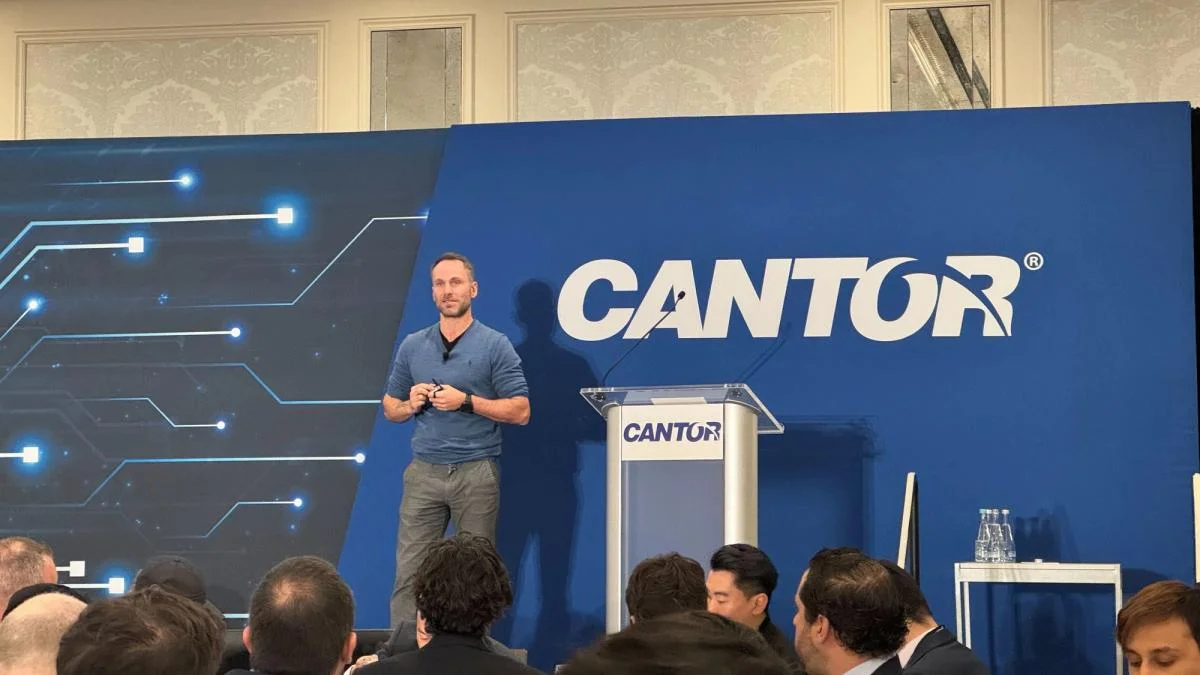



Tether CEO Paolo Ardoino publicly rejected a Senate Democrats investigation that accused the stablecoin issuer of providing "a significant financial lifeline within Iran's shadow banking network," arguing in posts on X and remarks at DC Fintech Week last Tuesday that the probe overlooked Tether's proactive sanctions work. Ardoino said Tether has frozen suspicious addresses an average of four weeks before OFAC and Israel's National Bureau for Counter Terror Financing formally sanctioned them, doing so in 99% of cases before Chainalysis even labeled them. He pegged Iran-linked USDT volumes down 94% since the company tightened its controls.
Why it matters
The political backdrop behind the probe may matter more than the figures Ardoino put up. Senator Richard Blumenthal, who led the Senate Permanent Subcommittee on Investigations report, is now extending the inquiry into Tether's relationship with Cantor Fitzgerald, the US financial partner with close ties to the Trump administration. Tether has deepened its own Trump ties too, naming Bo Hines, the former White House crypto adviser, CEO of its US division last fall. With prediction market Kalshi showing odds of Democrats, including Blumenthal, returning to a Senate majority climbing, the senator could soon wield significantly expanded investigative powers over the crypto sector.
Market impact
Ardoino's 94% volume-drop figure is a defensible defense but it is unlikely to settle the political fight. The Senate report focused largely on the period before 2024, when Tether's freezing was less comprehensive, and the subcommittee argued that the gap invited abuse by groups including Hamas. Even with the recent freezes, USDT's role in cross-border illicit finance remains a recurring flashpoint in Washington, and political momentum looks like it is building rather than easing. For USDT holders, the more immediate risk is political: a tighter US regulatory posture or fresh legislation if Democrats take the Senate would land directly on the largest dollar-pegged stablecoin in circulation.

Frequently asked questions
-
What did the Senate Democrats report accuse Tether of?
The Senate Permanent Subcommittee on Investigations report accused Tether of providing "a significant financial lifeline within Iran's shadow banking network," arguing that USDT replaced bitcoin as the primary funding route for illicit actors including Hamas.
-
How is Tether CEO Paolo Ardoino defending the company?
Ardoino says Tether has frozen suspicious addresses an average of four weeks before OFAC and Israel's National Bureau for Counter Terror Financing sanctioned them, in 99% of cases before Chainalysis even labeled them, and pegged Iran-linked USDT volumes down 94%.
-
Who led the Senate investigation into Tether?
Senator Richard Blumenthal, the top Democrat on the Senate Permanent Subcommittee on Investigations, led the report and is now extending the probe into Tether's relationship with US financial partner Cantor Fitzgerald.
-
Why are Tether's ties to the Trump administration drawing scrutiny?
Tether's US financial partner Cantor Fitzgerald has close ties to President Trump, and Tether named Bo Hines, Trump's former White House crypto adviser, as CEO of its US division last fall, deepening political exposure around the stablecoin.
-
What are the political stakes for USDT going forward?
Prediction market Kalshi shows odds of Democrats, including Blumenthal, returning to a Senate majority climbing, which would give the senator expanded investigative powers and could translate into a tighter US regulatory posture on USDT.
 WatcherGuru
 CryptoSlate
 TheBlock
 WuBlockchain
 Lookonchain
 CoinTelegraph