








 CoinDesk
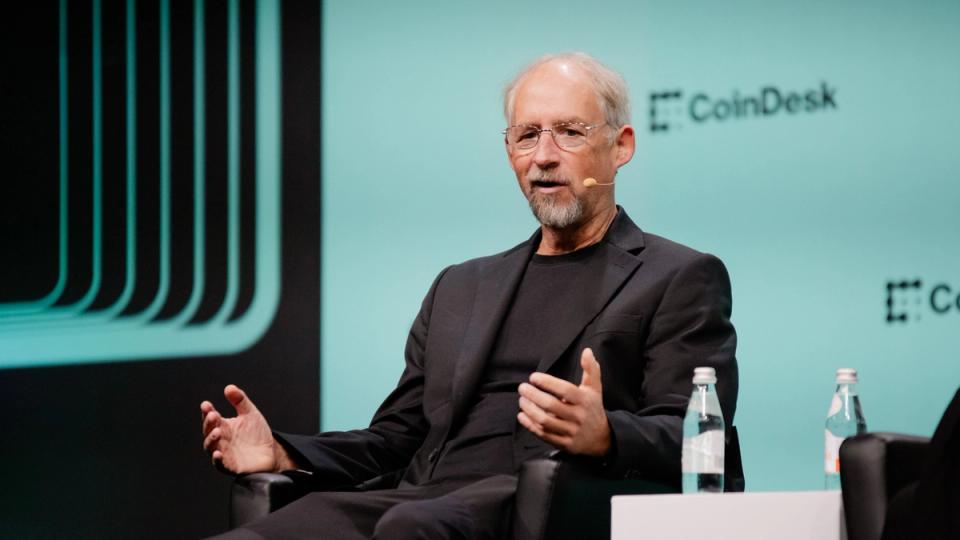

Blockstream CEO Adam Back told Consensus Miami 2026 that recent DeFi exploits are accelerating institutional preference for Bitcoin's simpler, security-first infrastructure, arguing the next adoption wave will come from sovereign entities, pension funds and treasury companies rather than retail or ETF flows.
Back, a longtime cryptographer and early Bitcoin contributor, said institutional investors have grown markedly more sophisticated in pricing crypto risk after a string of smart-contract failures across more experimental chains. Rather than reshape Bitcoin into traditional finance rails, he said many institutions are adapting to Bitcoin's incentive structure and conservative security model — a dynamic that, in his view, creates room for Bitcoin-native tokenization and DeFi that prioritizes safety over speed.
Why it matters
Back cast Bitcoin's relative architectural simplicity — no virtual machine, no general-purpose smart contracts at the base layer — as a structural moat against the operational risk that has repeatedly hit DeFi. He pointed to Blockstream's Liquid Network as a model for tokenization, trustless trading and limited smart-contract functionality, describing peer-to-peer tokenized asset trades on Liquid as effectively "hardware wallet to hardware wallet" settlement — a security posture he called the strongest available.
The argument lands at a moment when BlackRock and other large asset managers are publishing model portfolio allocations to Bitcoin that, Back noted, have not yet flowed into the market. Combined with roughly 200 bitcoin treasury companies now operating globally — including BSTR, the actively managed treasury firm Back himself leads — the institutional pipeline is far larger than current on-chain flows suggest.
Market impact
For investors, the read is that the marginal institutional buyer in the next leg is unlikely to be yield-chasing DeFi liquidity — it's capital optimizing for custody simplicity, regulatory clarity and settlement guarantees.

Frequently asked questions
-
What did Adam Back say about Bitcoin and DeFi security at Consensus Miami 2026?
Back argued that recent DeFi exploits are reinforcing institutional preference for Bitcoin's simpler, security-first infrastructure, and that Bitcoin layer-2 systems could support tokenization and DeFi without sacrificing Bitcoin's conservative design philosophy.
-
What are the three waves of Bitcoin adoption Adam Back described?
Back framed adoption as direct retail ownership, then spot ETF access through brokerages and advisers, and now institutional allocation through managed portfolios, pension funds and sovereign entities — with BlackRock-style model portfolio flows yet to fully take effect.
-
How many bitcoin treasury companies exist today, according to Back?
Back estimated roughly 200 bitcoin treasury companies now exist globally, following Strategy's balance-sheet playbook. He also highlighted BSTR, the actively managed treasury firm he leads, as a more active-return approach to BTC exposure.
-
What is the Liquid Network and why did Back reference it?
Back pointed to Blockstream's Liquid Network as an example of how Bitcoin-based infrastructure can support tokenization, trustless trading and limited smart-contract functionality while staying more conservative than virtual-machine-based chains — describing Liquid trades as effectively…
-
What is the investment takeaway from Back's remarks?
The next wave of marginal institutional capital is likely to favor custody simplicity, regulatory clarity and settlement guarantees over yield-chasing DeFi liquidity — tilting demand toward spot BTC, conservative Bitcoin L2s, and treasury vehicles that aim to compound the underlying asset.
 WatcherGuru
 CoinTelegraph
 WuBlockchain
 CryptoSlate