








 CoinDesk
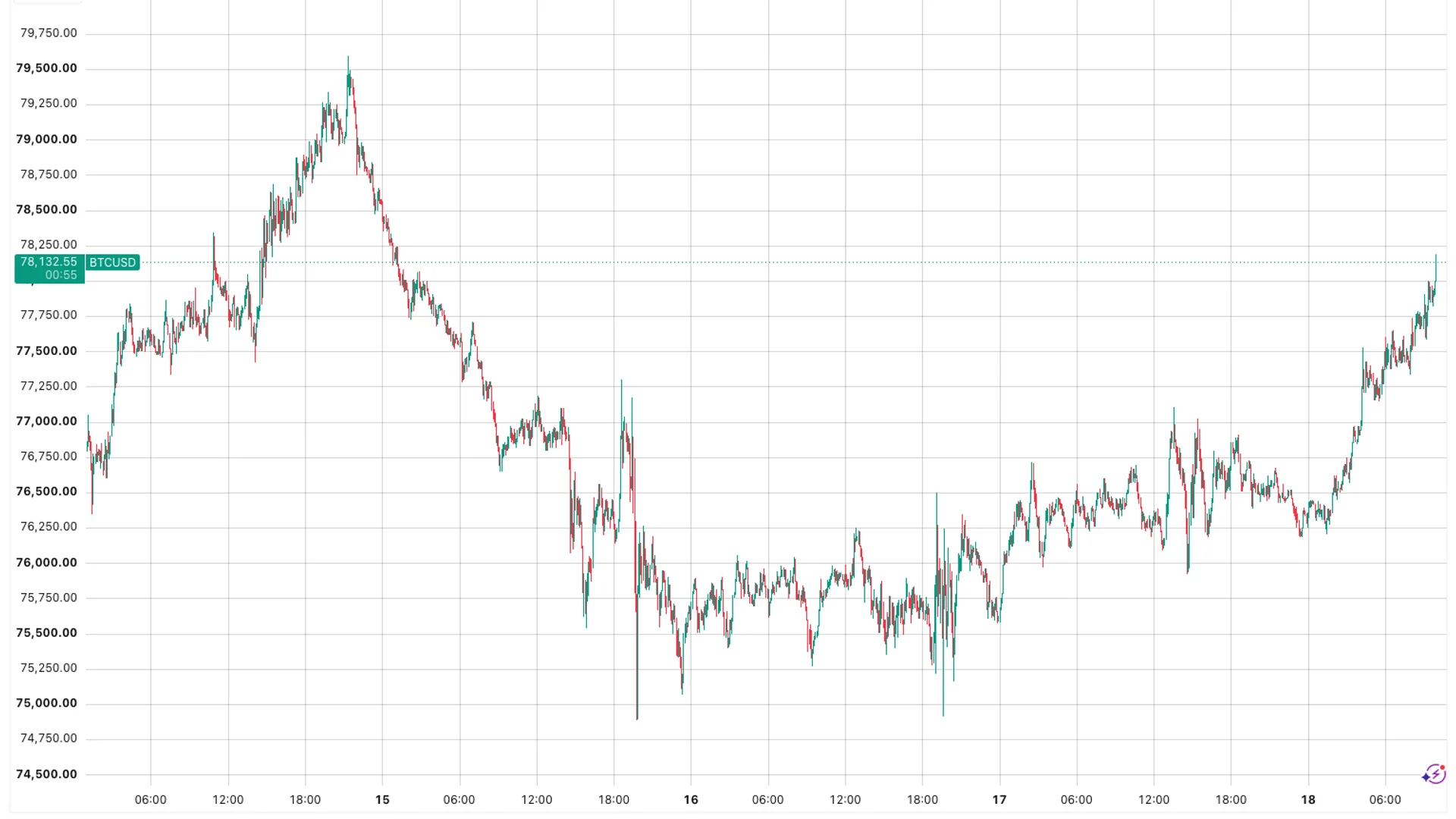



Bitcoin held near $77,000 this week after absorbing a 25-basis-point Fed rate hike, the first in more than three years, and the collapse of the Clarity Act in the Senate, which failed to clear the 60-vote threshold with just 49 supporters. The asset is down only 1.5% in September, its historically weakest month, while sitting roughly 32% up for the quarter, putting it on course for its first positive quarterly close since Q3 2025. As of writing, BTC trades around $78,000, essentially back to its pre-Fed level despite the bearish stack of catalysts.
Why it matters
The macro backdrop looked hostile on every front: the Fed hiked, the Bank of Japan lifted its benchmark to a 31-year high, WTI crude cleared $106 a barrel on Middle East tensions, and the Dollar Index pushed back above 100. In a different market environment, the Clarity Act failure alone would have dragged $BTC meaningfully lower. Instead, BTC briefly dipped below $74,887 on Tuesday and stabilized within hours, the kind of contained sell-off that suggests the bad news was already priced.
Mitchell Askew, head of Blockware Intelligence at Blockware, called the price action striking for what didn't happen. Two objectively bearish headlines, a rate hike and a stalled bill, produced almost no reaction, which she framed as classic seller exhaustion. Anyone who was going to sell on these catalysts has already sold, leaving thinner supply on the bid side.
Fabian Dori, chief investment officer at Sygnum Bank, added a structural read: rising yields and a stronger dollar aren't always bearish for scarce assets. If they signal debasement risk and sovereign counterparty risk, store-of-value bids from $BTC and gold actually strengthen. The correlation flips when the macro narrative shifts from growth scare to currency scare.
Market impact
The Clarity Act setback delays a statutory framework but doesn't close the regulatory door. The SEC moved the same week to unveil its innovation exemption for tokenized securities venues, letting qualifying platforms facilitate onchain stock trading under specified conditions.

Frequently asked questions
-
What is the historical seasonality signal for Bitcoin into year-end?
Bitcoin has averaged a 2.5% drop in week 38 of the calendar year, but Q4 has averaged a 77% gain according to CoinDesk data, a tailwind that typically turns on as October opens.
 WatcherGuru
 Crypto News
 CryptoSlate
 Crypto Rank News
 WuBlockchain
 CoinTelegraph