








 Glassnode
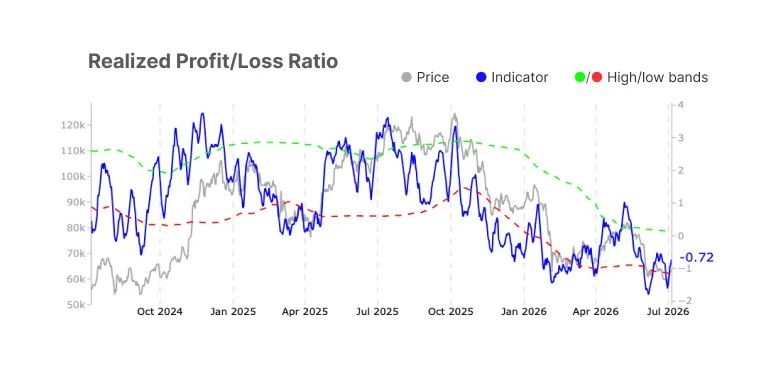
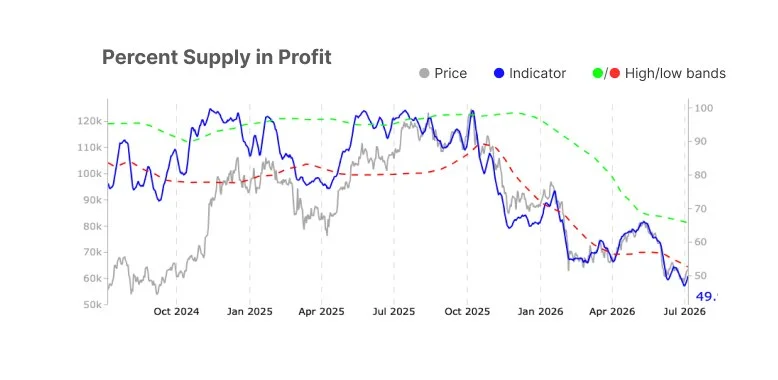
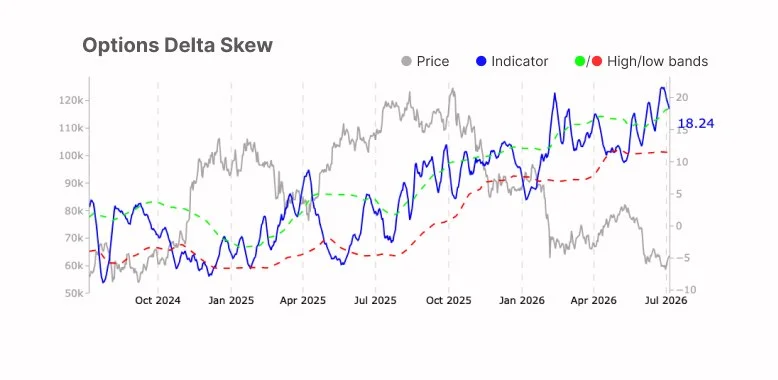
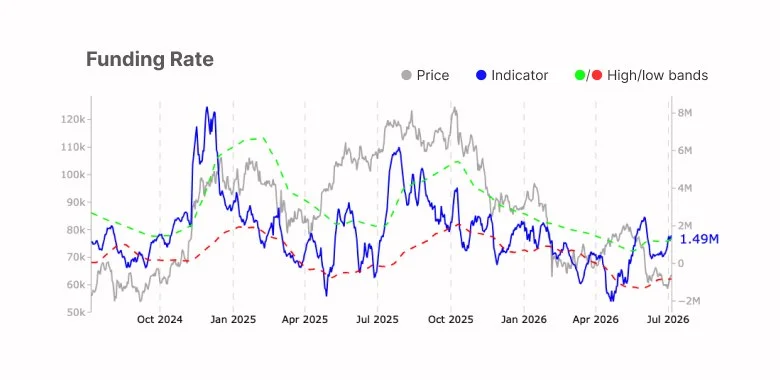
Bitcoin has settled into a consolidation phase with selling pressure cooling across spot markets. Futures traders have been rebuilding long positioning, while options markets show waning demand for downside protection, both signals that the late-summer fear has largely unwound.
Why it matters
Spot Bitcoin ETF outflows, which dominated flow tape through the risk-off leg, have also tapered. That combination, calmer spot flows, fresh futures length, and a flatter skew on puts, reads like a market that has finished de-risking and is now waiting for a reason to mark a direction.
Market impact
The catch is the "hot capital" line in the underlying read. Inflows from faster-money desks tend to arrive when volatility is compressed, which is exactly when their additions get crowded. That kind of positioning has historically front-run sharp re-expansions of realized vol, even when spot keeps grinding in a tight range on the surface.

Frequently asked questions
-
What does Bitcoin consolidation mean in the current setup?
It describes a phase where spot selling pressure eases, futures traders rebuild longs, and options traders stop paying up for downside protection. Spot price tends to trade in a tighter range while positioning resets beneath the surface.
-
Why are spot Bitcoin ETF outflows drying up a notable signal?
Persistent ETF outflows acted as a structural flow drag through the prior risk-off leg. A slowdown in those outflows removes a steady seller from the tape and lets other demand signals, like fresh futures length, show through more cleanly.
-
What does a flattening downside options skew imply for BTC?
It signals traders are less willing to pay for downside puts, a sign that near-term fear has unwound. It also means cheaper insurance if volatility suddenly re-expands, which can amplify any sharp move.
-
Why is returning "hot capital" a risk for volatility?
Fast-money inflows tend to arrive when realized volatility is compressed. Their positioning gets crowded quickly under those conditions, and crowded positioning has historically front-run sharp re-expansions of realized vol, even when spot keeps grinding.
-
What should traders watch next to confirm the next directional leg?
Watch for a catalyst that forces crowded fast-money positioning to adjust. A move in spot ETF flows, a shift in funding rates, or an unexpected macro print would be the most likely triggers for a volatility re-expansion from this setup.
 Crypto News
 WatcherGuru
 CryptoSlate
 CoinDesk
 Lookonchain
 CoinTelegraph