


 CoinDesk
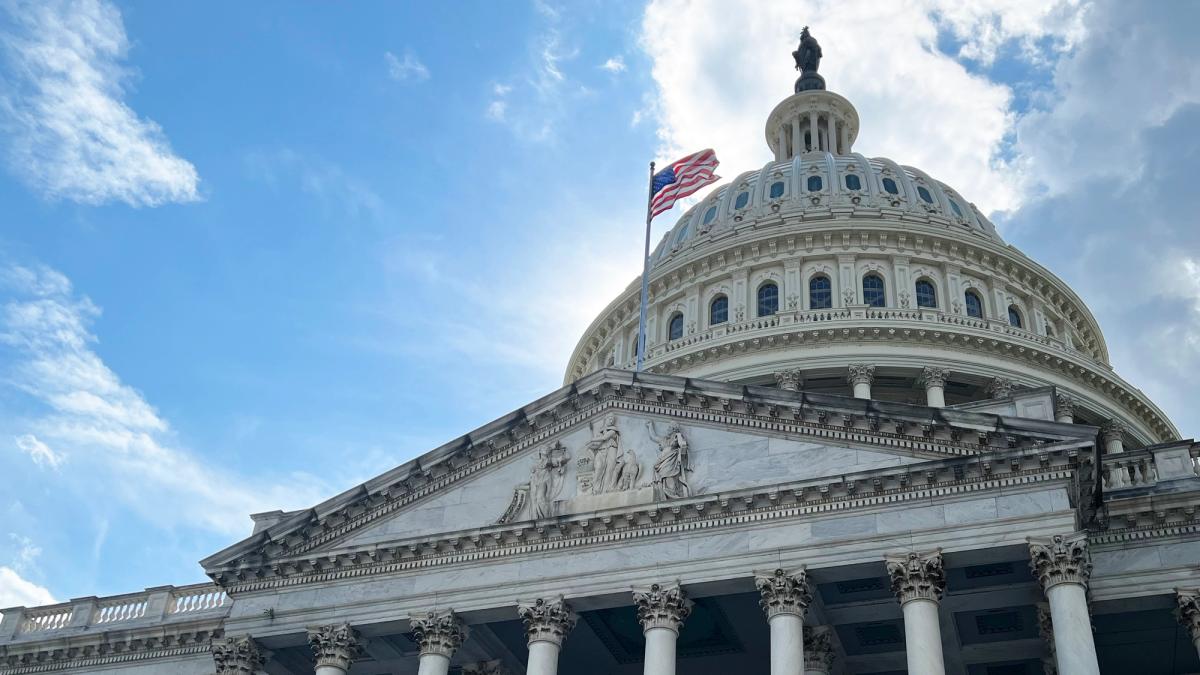


Democrats’ takeover of both chambers of Congress has further dimmed the Clarity Act’s prospects, after the cryptocurrency regulatory bill failed to advance in September under Republican control. Crypto political action groups spent roughly $170.5 million on the elections, but the industry now faces a more difficult path to legislation in its current form.
Why it matters
The bill’s future is uncertain, not necessarily the broader push for crypto rules. More than 70 House Democrats previously supported the legislation, and some industry figures argue that bipartisan backing could be rebuilt around stronger consumer protections and safeguards against conflicts of interest.
The dispute over stablecoin rewards remains a significant obstacle. Banks oppose exchanges paying customers rewards on dollar-backed tokens, arguing the offers could draw deposits away from traditional accounts. Republicans did not resolve that disagreement while they controlled Congress.
Market impact
Industry executives expect greater congressional scrutiny of crypto companies and President Donald Trump’s cryptocurrency interests, including through hearings and investigations focused on money laundering, cybersecurity and consumer protection. Some also anticipate scrutiny of tokenized stock offerings, though concerns raised about other companies’ plans do not directly concern Robinhood.
The legislative setback does not mean crypto trading products will stop expanding. One industry executive pointed to the CFTC’s decision to allow single-stock perpetual futures on qualifying U.S. exchanges, while noting that a federal judge questioned whether the products were permissible. The split outlook is clear: tougher oversight may constrain some business lines even as crypto firms continue pushing into derivatives and traditional-asset markets.
Frequently asked questions
-
Why have the Clarity Act’s prospects weakened?
The bill failed to advance in September under Republican control, and Democrats now control both chambers. Industry figures see a narrower path for the legislation in its current form.
-
How much did crypto political groups spend on the elections?
Crypto political action groups spent roughly $170.5 million on the elections.
-
What dispute has obstructed the Clarity Act?
Banks oppose exchanges paying rewards on dollar-backed tokens, arguing that the offers could draw deposits away from traditional bank accounts.
-
Could the bill return with bipartisan support?
Some industry figures see an opening for legislation with stronger consumer protections and safeguards against conflicts of interest. They point to support from more than 70 House Democrats.
-
What product could face legal uncertainty despite the legislative setback?
The CFTC allowed single-stock perpetual futures on qualifying U.S. exchanges, but a federal judge questioned whether the products were permissible.
 WatcherGuru
 CoinTelegraph
 CryptoSlate
 Crypto News
 TheBlock
 Altcoin Daily