








 CoinDesk
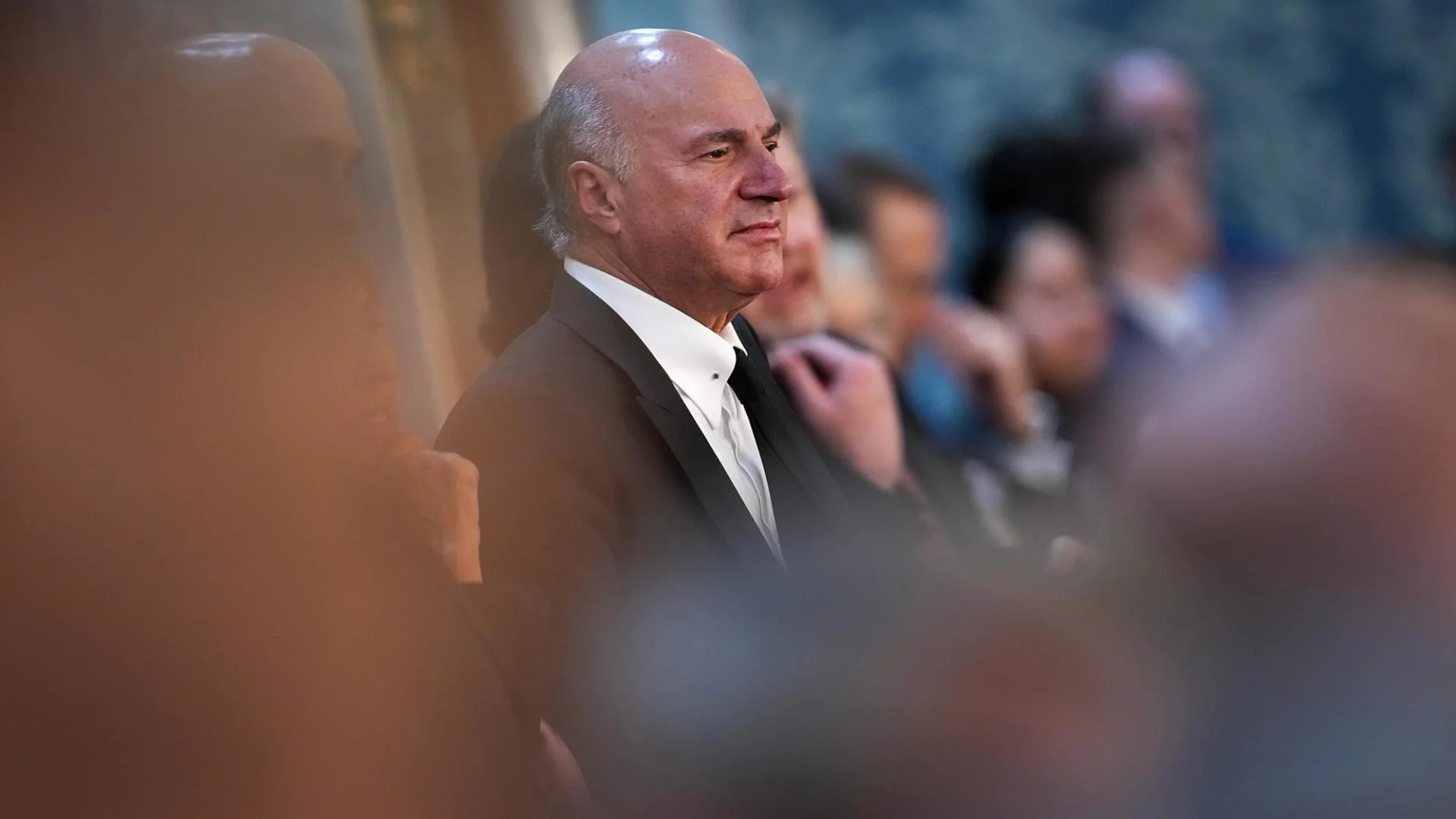



Kevin O’Leary expects Congress to revisit the CLARITY Act after the midterm elections, potentially in the first or second quarter afterward. His forecast follows a 49-vote Senate showing that fell short of the 60 votes needed to advance the market-structure bill.
O’Leary said the failed vote represented a delay rather than the end of the legislation. Speaking at the Avalanche Summit in New York, he argued that lawmakers will face renewed pressure to establish rules for crypto markets, including the respective roles of the Securities and Exchange Commission and the Commodity Futures Trading Commission.
Why it matters
The House Ways and Means Committee’s advancement of the Digital Asset Tax Certainty Act is central to O’Leary’s argument. The bill would address tax treatment for activities including staking, mining, small crypto transactions and broker requirements.
That creates a policy gap: Congress may define how crypto activity is taxed before it settles how the industry is regulated. O’Leary summarized the connection by saying, “Once you tax, you’ve got to have policy.” He specifically argued that taxing staking will increase pressure for broader regulatory clarity.
Market impact
The immediate effect is political rather than a direct change to crypto trading rules. The Senate vote showed that CLARITY lacks enough support to proceed now, while the tax bill’s progress keeps digital-asset policy on the legislative agenda.
O’Leary said the market-structure debate should return regardless of which party controls Congress after the midterms. For investors, the next milestones are the tax bill’s progress and whether lawmakers reopen negotiations over SEC and CFTC jurisdiction.
Frequently asked questions
-
When does O’Leary expect Congress to revisit the CLARITY Act?
He expects lawmakers to return to market-structure legislation after the midterm elections, potentially in the first or second quarter afterward.
-
How many Senate votes did CLARITY receive?
The bill received 49 votes, short of the 60 votes needed to proceed.
-
Why does O’Leary connect crypto taxes to market-structure rules?
He argues that once Congress taxes activities such as staking, it will face greater pressure to establish clear rules governing the industry.
-
What does the Digital Asset Tax Certainty Act address?
The House bill seeks tax rules for staking, mining, small crypto transactions and broker requirements.
-
Which regulators would CLARITY help define roles for?
The legislation seeks to establish a broader federal framework that includes the roles of the Securities and Exchange Commission and the Commodity Futures Trading Commission.
 CoinTelegraph
 TheBlock
 WatcherGuru
 Crypto Capital Venture
 Crypto News
 WuBlockchain