








 CoinTelegraph
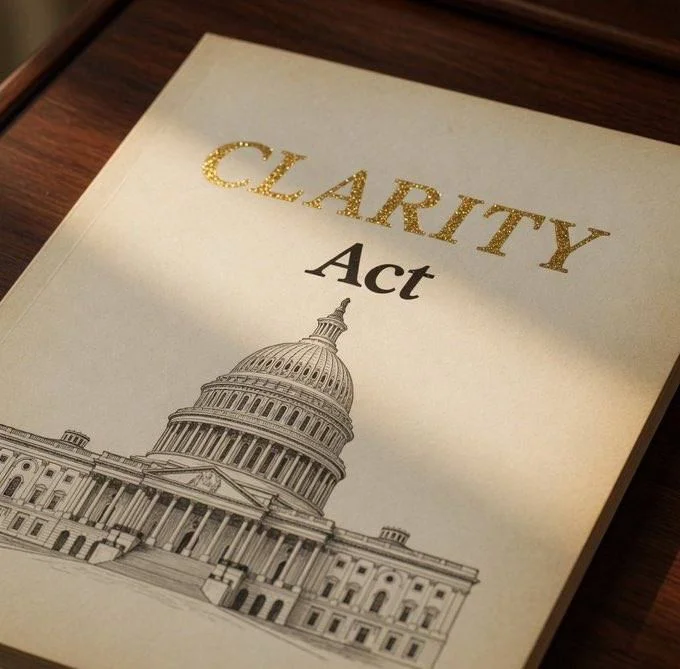

The CLARITY Act, the chamber's main crypto market structure vehicle, failed a key Senate procedural vote 49-50 on Tuesday, falling short of the simple majority needed to advance. Sen. Thom Tillis quickly filed a motion to reconsider, leaving the bill technically alive and eligible for another vote this session.
Why it matters
Seven Democrats who voted against advancing the bill said publicly they remain committed to passing crypto market structure legislation this year. The procedural loss is not a policy rejection; it is a timing fight over ethics provisions attached to the bill, which both sides agree need changes before final passage. With the Senate heading into recess on Oct. 2, the calendar is the binding constraint.
Market impact
For digital asset firms waiting on a federal spot-market definition, a deferral costs months of regulatory clarity but changes nothing about the underlying trajectory. Spot ETFs, stablecoin oversight rules, and exchange registration pathways all sit downstream of the same bill. A renewed vote before recess is the cleanest outcome; a post-recess revival is the floor. The 49-50 split also signals the whip count is now live, and any single senator can move the math in either direction.

Frequently asked questions
-
What happened to the CLARITY Act in the Senate?
The bill failed a key procedural vote 49-50 on Tuesday, falling one vote short of the simple majority needed to advance. Sen. Thom Tillis filed a motion to reconsider, keeping the legislation eligible for another vote this session.
-
Why did the CLARITY Act fail its first vote?
The procedural loss was driven by disagreement over ethics provisions attached to the bill, not by opposition to crypto market structure itself. Seven Democrats who voted no said publicly they remain committed to passing the legislation.
-
Can the CLARITY Act still pass in 2026?
Yes. The motion to reconsider keeps the bill alive, but the window is narrow because the Senate heads into recess on Oct. 2. A renewed vote before recess is the cleanest path; a post-recess revival remains the floor.
-
What does the CLARITY Act do for crypto markets?
The bill defines a federal framework for digital asset market structure, covering spot-market oversight, stablecoin rules, and exchange registration pathways. Passage would resolve years of jurisdictional ambiguity between the SEC and CFTC.
-
Who is Sen. Thom Tillis in this debate?
Tillis is a Republican senator and one of the chamber's most active crypto advocates. His motion to reconsider immediately after the 49-50 loss is the procedural step that prevents the failed vote from ending the bill.
 CoinDesk
 TheBlock
 WatcherGuru
 Crypto Capital Venture
 WuBlockchain