








 CoinDesk
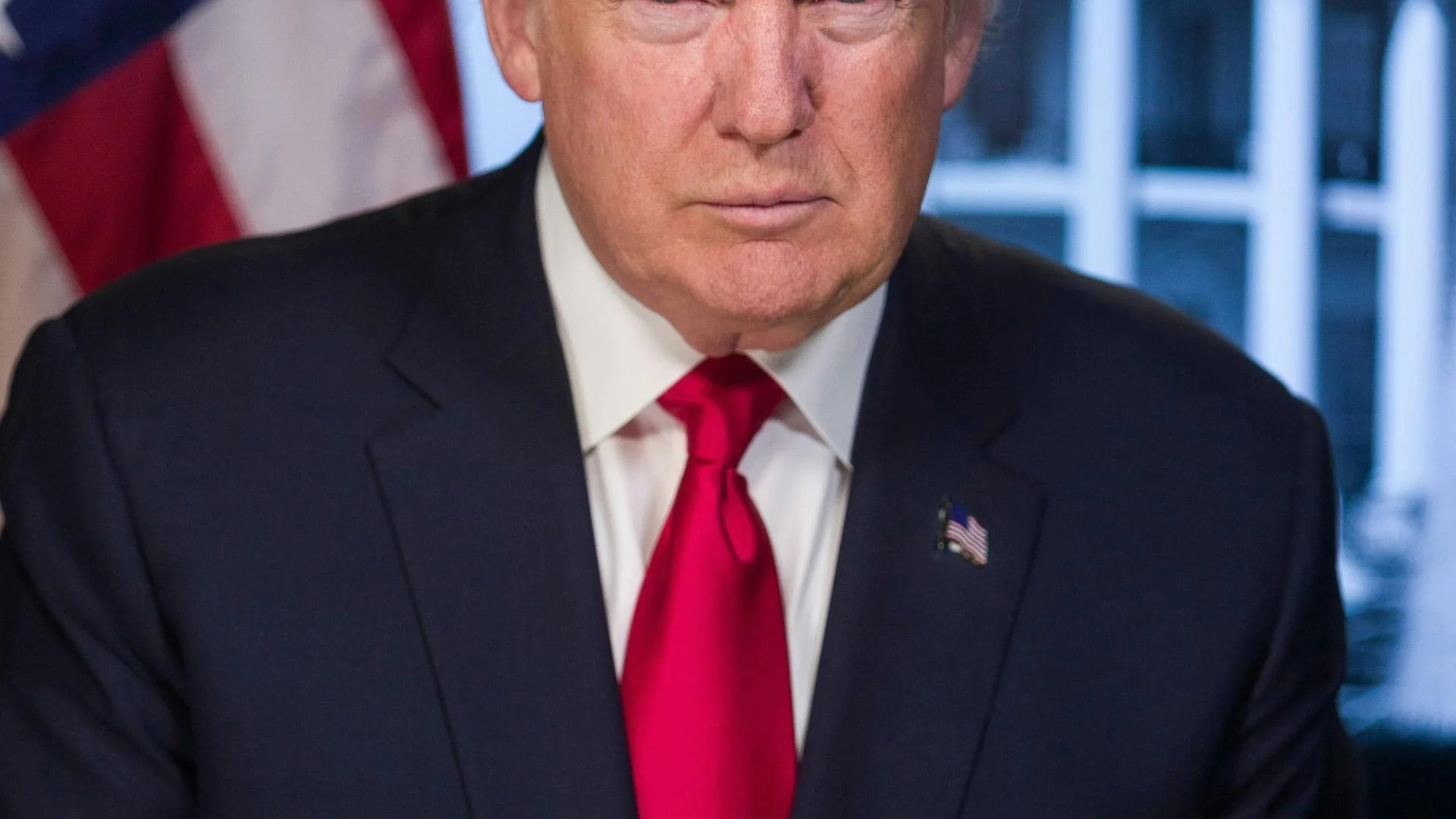



The Trump administration is considering joint ventures with private companies to promote dollar-backed stablecoins overseas, Bloomberg reports. Treasury, State and the U.S. International Development Finance Corporation could help lead the effort, which aims to reinforce the dollar’s global role and increase demand for U.S. Treasuries. USDT and USDC together account for almost 90% of the $292.49 billion stablecoin market, while stablecoin issuers hold close to $200 billion in aggregate reserves.
Why it matters
The proposal would extend the use of dollar-backed tokens beyond crypto trading and cross-border payments. Issuers already hold dollars and government debt as reserves, and the Genius Act requires U.S. stablecoin issuers to maintain reserves that include dollars and short-term Treasuries. Treasury Secretary Scott Bessent has described dollar stablecoins as a tool for supporting the dollar’s dominance.
The same reach that could increase demand for U.S. debt also presents risks for emerging economies. The IMF and Bank for International Settlements have warned that wider use of dollar-pegged stablecoins could accelerate capital flight, weaken domestic currencies and make financial flows harder for governments to monitor or influence.
Market impact
The plan remains under consideration, so its effect would depend on whether it moves forward and how widely dollar stablecoins are adopted. For markets, the policy signal links stablecoin growth to U.S. Treasury demand and the dollar’s international standing. For emerging economies, broader everyday use could intensify pressure on local currencies, particularly during periods of stress.


Frequently asked questions
-
What is the Trump administration considering for dollar-backed stablecoins?
It is considering joint ventures with private companies to promote dollar-backed stablecoins overseas, potentially involving Treasury, State and the U.S. International Development Finance Corporation.
-
How could the proposed stablecoin push support U.S. Treasuries?
The administration aims to increase demand for U.S. Treasuries. Stablecoin issuers hold reserves that include dollars and government debt, and the Genius Act requires U.S. issuers to hold short-term Treasuries.
-
What share of the stablecoin market do USDT and USDC represent?
USDT and USDC together account for almost 90% of the $292.49 billion stablecoin market, according to the seed.
-
What risks do the IMF and BIS see for emerging economies?
They warn that wider adoption of dollar-pegged stablecoins could accelerate capital flight, weaken domestic currencies and make financial flows harder for governments to monitor or influence.
-
Has the administration finalized its stablecoin plan?
No. The plan is under consideration, and its effects would depend on whether it moves forward and how widely dollar-backed stablecoins are adopted.
 CryptoSlate
 WuBlockchain
 CoinTelegraph
 WatcherGuru
 TheBlock