








 WatcherGuru
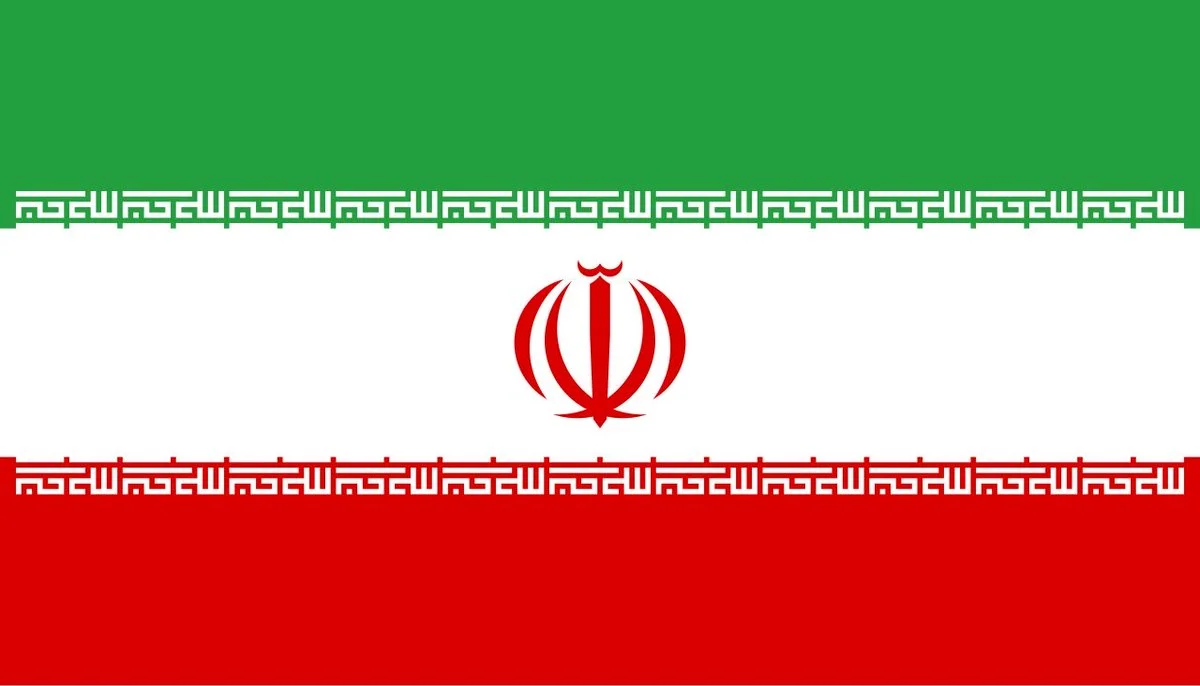
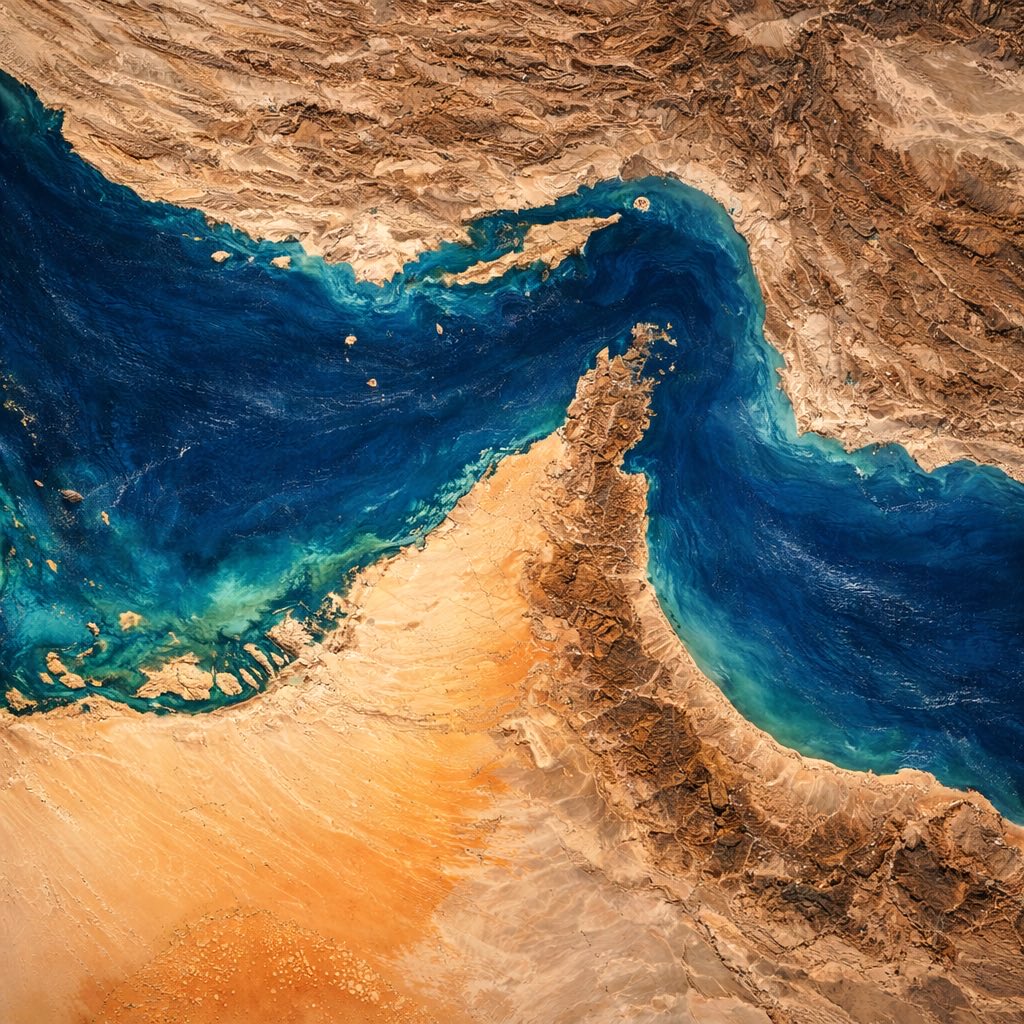

Iran declared the Strait of Hormuz closed until "stability is restored" on Friday, asserting control over the narrow corridor that handles roughly a fifth of global seaborne oil. The US responded within hours, stating the strait remains open to all vessels and signalling a naval posture to back that position.
Why it matters
The Strait of Hormuz is the single most important oil chokepoint on the planet, with around 20 million barrels per day transiting between Iran and the Arabian Peninsula. Even a credible threat of closure moves crude futures and shipping-insurance premia before a single tanker is touched. Iran's announcement and the US counter-claim put the two readings of "open" and "closed" in direct opposition, which is the kind of ambiguity markets price worst.
Market impact
Brent and WTI futures typically spike 3-7% on Hormuz headlines of this class, with gold catching a parallel safe-haven bid and risk assets, including BTC, selling off in the initial hours. The trade to watch is whether Iran's IRGC Navy makes good on the declaration with vessel boardings or if the US Fifth Fleet escorts commercial traffic through, which would deflate the premium within 24-48 hours. Either path keeps volatility elevated into the weekend.
Frequently asked questions
-
What percentage of global oil flows through the Strait of Hormuz?
Roughly 20% of global seaborne oil, around 20 million barrels per day, transits the Strait of Hormuz, making it the single most important oil chokepoint in the world.
-
Is the Strait of Hormuz actually closed right now?
Iran declared it closed until stability is restored on Friday, but the US countered within hours stating it remains open to all vessels, signalling a naval posture. The two opposing claims mean markets price the ambiguity rather than a clean closure.
-
How do oil and crypto markets typically react to Hormuz closure threats?
Crude futures typically spike 3-7% on Hormuz-class headlines, gold catches a parallel safe-haven bid, and BTC tends to sell off in the initial hours as part of a broader risk-off move.
-
Could the US Navy keep the Strait of Hormuz open by force?
The US Fifth Fleet has previously escorted commercial vessels through the strait during Iranian harassment campaigns. Whether it does so again here will determine whether the risk premium deflates within 24-48 hours.
-
What happens to OPEC+ if Hormuz traffic stalls?
A sustained closure pulls OPEC+ spare capacity back into focus, with Saudi Arabia and the UAE as the only producers holding meaningful output buffers if Gulf tanker traffic stops.
 CoinDesk
 WuBlockchain
 Crypto News
 CoinTelegraph