








 CoinDesk
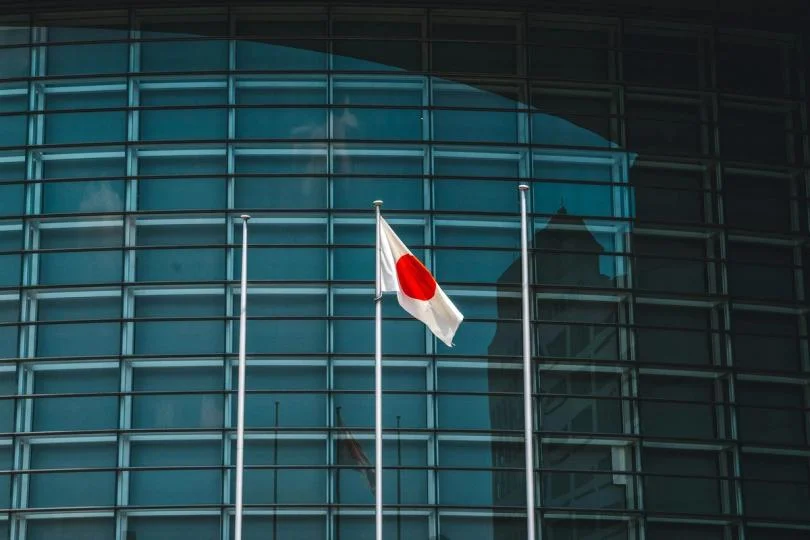


Ripple's dollar-pegged stablecoin RLUSD is now cleared for use in Japan after the country's Financial Services Agency approved it as an electronic payment instrument under the Payment Services Act, a category built for foreign-issued stablecoins that meet Japanese standards. SBI VC Trade will offer the token to both institutional and retail customers through its VCTRADE platform, extending a Ripple-SBI relationship that dates to 2016 and formalised in an August 2025 memorandum of understanding.
The token remains small at about $1.7 billion in market value since its late-2024 launch, a fraction of Tether's roughly $186 billion USDT and Circle's $74 billion USDC, the two stablecoins that dominate global trading. Japan, however, runs one of the strictest stablecoin regimes in the world, and clearing a foreign-issued dollar token for both institutional and retail use there gives RLUSD the kind of regulatory standing that institutional desks look for before allocating balance sheet.
Why it matters
Jack McDonald, Ripple's senior vice president of stablecoins, framed the launch as building a bridge for payments, tokenization and collateral management, connecting Japanese businesses to global dollar liquidity. The approval lands as stablecoins are drawing formal rules in the U.S., Europe and across Asia, turning the dollar-token market into a race for official recognition as much as for users. RLUSD is Ripple's bet on the regulated end of the market and sits separately from XRP, the closely-linked token the company is best known for.
Market impact
RLUSD will need to convert regulatory standing into the trading volume and liquidity that USDT and USDC already command. The Japan launch gives it a credible Asia foothold and a domestic distribution partner in SBI VC Trade, but the gap to the dominant two stablecoins is two orders of magnitude. The next test is whether institutional and retail flows on VCTRADE produce enough onchain activity to justify follow-on approvals elsewhere in the region.
Frequently asked questions
-
What did Japan's Financial Services Agency actually approve RLUSD as?
The FSA approved RLUSD as an electronic payment instrument under Japan's Payment Services Act, a category designed for foreign-issued stablecoins that meet Japanese standards, allowing both institutional and retail distribution through SBI VC Trade's VCTRADE platform.
-
How big is RLUSD compared with USDT and USDC?
RLUSD sits at about $1.7 billion in market value since its late-2024 launch, a fraction of Tether's roughly $186 billion USDT and Circle's $74 billion USDC, the two stablecoins that dominate global trading volume.
-
Who will distribute RLUSD in Japan?
SBI VC Trade, the digital asset arm of Japanese financial group SBI, will offer RLUSD to both institutional and retail customers through its VCTRADE platform, extending a Ripple-SBI partnership that dates to 2016 and was formalised in an August 2025 MOU.
-
Is RLUSD the same as XRP?
No. RLUSD is Ripple's dollar-pegged stablecoin and is positioned separately from XRP, which is the token the company is best known for. Ripple has pitched RLUSD as an enterprise token for settlements and tokenization.
-
Why does Japan's approval matter beyond Japan?
Japan runs one of the strictest stablecoin regimes in the world, so clearing a foreign-issued dollar token for both institutional and retail use is a regulatory credential that institutional desks across Asia typically weigh before allocating balance sheet.
 WuBlockchain
 CoinTelegraph
 WatcherGuru
 CryptoSlate
 Lookonchain