








 CoinDesk
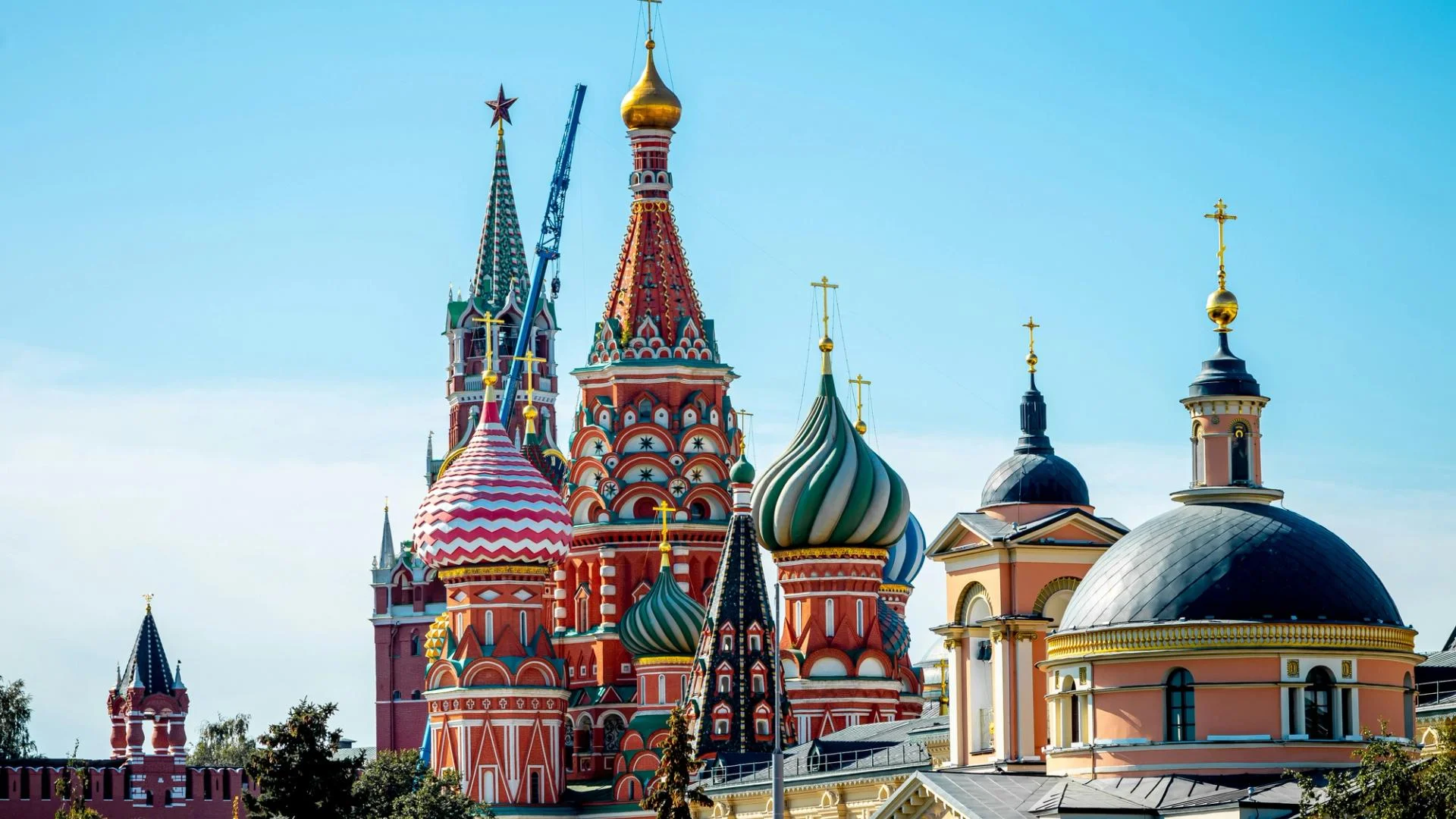



Russia's central bank will allow retail investors to trade only bitcoin, ether, and USDT on regulated exchanges starting September 1. Non-qualified investors face a 300,000-ruble (around $3,600) annual purchase cap per intermediary, while qualified investors have no limit. The whitelist gives substance to July legislation that opened regulated crypto trading but left the asset list unspecified.
Why it matters
This is the first time Russia has formally defined which crypto assets ordinary Russians can touch through a regulated venue, and the central bank picked the three deepest-liquidity names in the global market. Crypto payments inside Russia remain banned, so the framework is explicitly investment-only and routed through licensed intermediaries. The per-intermediary wording of the 300,000-ruble cap, rather than per-investor-total, leaves a structural workaround for larger aggregate exposure through multiple brokers or exchanges.
Market impact
USDT picks up formal legitimacy inside Russia's regulated perimeter, reinforcing its role as the dominant non-bank dollar rail in jurisdictions where formal banking access to dollars is constrained. Bitcoin and ether gain a new regulated retail channel in a market that has historically routed flow through offshore venues or peer-to-peer. The September 1 start date gives licensed exchanges and brokers roughly two months to onboard and KYC retail flow into the permitted assets, while non-whitelisted coins are effectively pushed off the formal on-ramp.



Frequently asked questions
-
What crypto assets can Russian retail investors trade under the new rules?
The Bank of Russia whitelist covers only bitcoin, ether, and USDT on regulated exchanges starting September 1. All other tokens are excluded from the formal retail on-ramp.
-
What is the 300,000-ruble annual cap and how does it apply?
Non-qualified investors can purchase up to 300,000 rubles (around $3,600) of crypto per year at each intermediary. The cap is per broker or exchange, not per investor in aggregate, meaning larger exposure can be built across multiple platforms.
-
Do qualified investors face the same purchase cap?
No. The 300,000-ruble limit applies only to non-qualified retail investors. Qualified investors, which generally require a larger financial footprint or formal licensing, can trade without the annual ceiling.
-
Can Russians pay for goods and services with crypto after September 1?
No. Crypto payments inside Russia remain prohibited under current law. The new framework governs investment activity through licensed intermediaries and does not legalise crypto as a means of payment.
-
How does the new framework relate to the July crypto legislation?
The September 1 rules add specifics to legislation passed in July that opened regulated crypto trading but did not name which assets retail investors could buy. The whitelist and caps close that gap and give exchanges a defined operating perimeter.
 Altcoin Daily
 CoinTelegraph
 WatcherGuru
 WuBlockchain
 TheBlock
 CryptoSlate