Safety is the whole game for beginners
Here is the uncomfortable truth: most people who lose money in crypto early on do not lose it to market crashes. They lose it to scams, phishing, fake apps, and simple mistakes that were entirely avoidable. The mechanics of buying are easy. Doing it *safely* is the skill worth learning, and it is the focus of this guide.
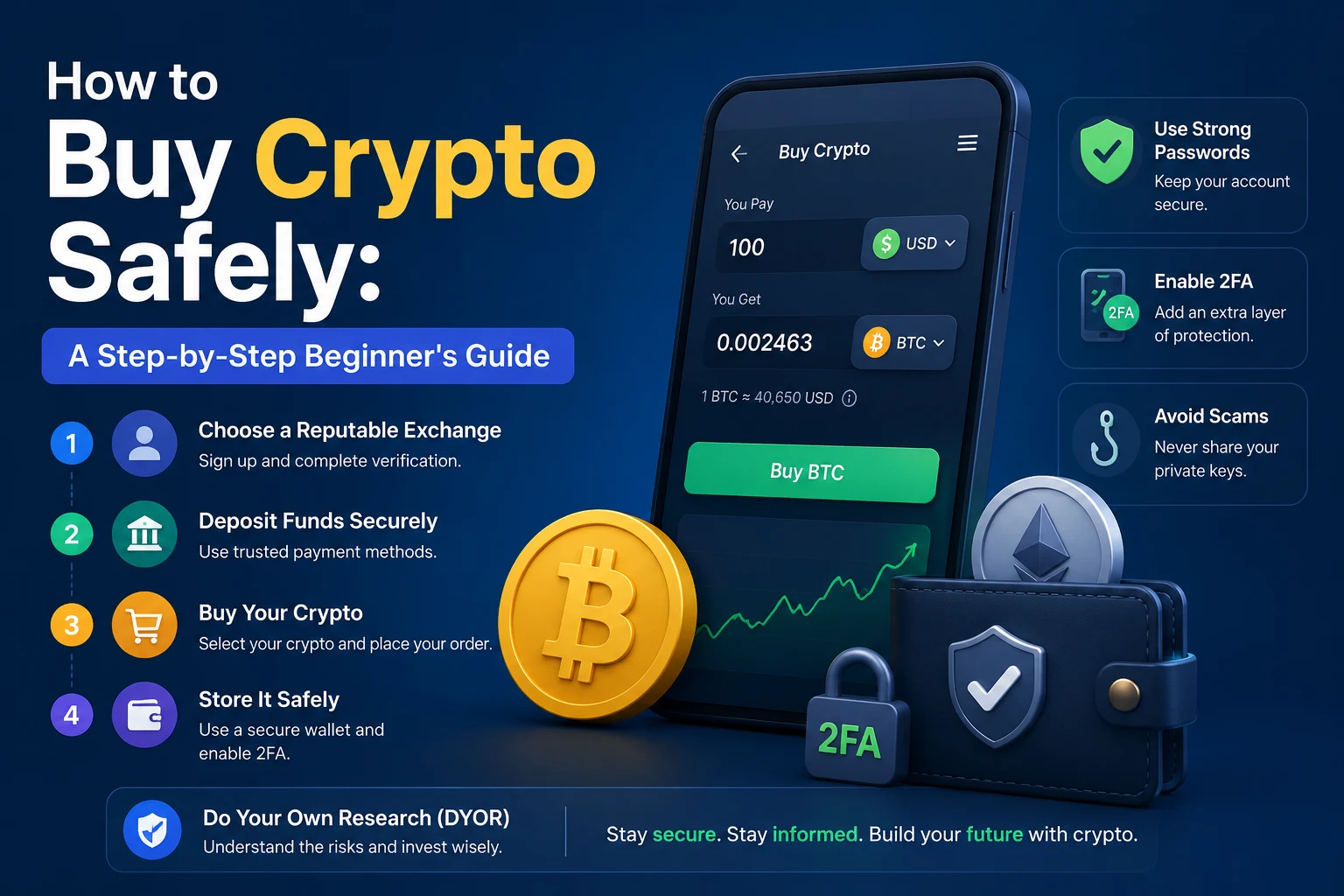
Step 1: Choose a reputable exchange
A crypto exchange is where most people make their first purchase. Not all exchanges are equal. Look for:
- A track record and real regulation in your jurisdiction.
- Strong security history — no pattern of breaches, transparent about custody.
- Clear fees you can actually find before you buy.
- Proper support and a real company behind it.
Be deeply skeptical of any platform you discovered through a social media DM, a "guaranteed returns" ad, or a stranger in a chat group. The exchange itself is your first security decision.
Step 2: Lock down your account before you deposit a cent
Set up security *before* money is involved:
- Use a strong, unique password — never reused from another site.
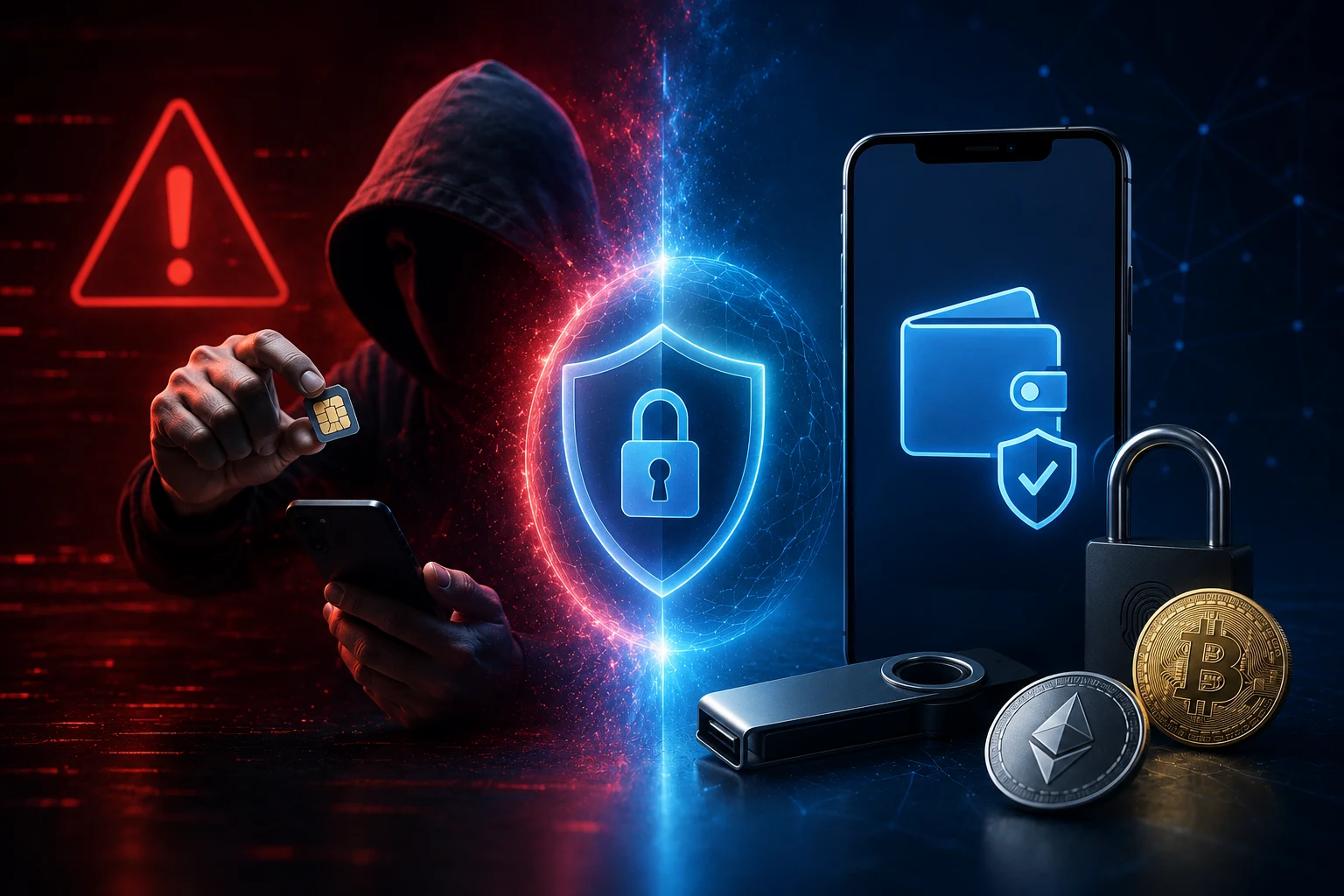
- Enable two-factor authentication (2FA), ideally with an authenticator app rather than SMS. SIM-swap attacks make SMS the weakest option.
- Use a dedicated email for your crypto accounts.
- Bookmark the real site and only ever log in through your bookmark — never through a link in an email or message.
This ten-minute step prevents the most common account takeovers.
Step 3: Start small and verify everything
Make your first purchase small. Yes, even smaller than you think. The goal of your first buy is to learn the flow, not to make money. Confirm you can:
1. Buy a small amount. 2. See it in your account. 3. Successfully send a tiny test amount to your own wallet.
Only scale up once the whole loop works. A small mistake on a small amount is a lesson; the same mistake on your life savings is a catastrophe.
Step 4: Understand what you're buying
Do not buy something because a video told you it would 10x. Before you buy any asset, you should be able to explain in a sentence what it is and why it has value. Start with established assets you can research — read our guides on Bitcoin vs Ethereum and what an altcoin is before venturing into smaller, riskier tokens. If you cannot find credible, independent information about a coin, that absence *is* the information.
Step 5: Move it to a wallet you control
Leaving everything on an exchange is convenient but means you are trusting that exchange completely — and exchange failures have wiped out users before. For anything beyond small trading amounts, move your crypto to a wallet you control. Our guides on best crypto wallets and how to store crypto securely walk through exactly how. The principle: not your keys, not your coins.
The scams to recognize instantly
If you internalize one section, make it this one:
- "Guaranteed returns" or "double your crypto." Always a scam. Always.
- Anyone asking for your seed phrase. No legitimate service ever needs it. This is the master key to your funds.
- Fake support accounts that message you first on social media.
- Romance and "investment mentor" pitches that move you to a slick-looking platform you cannot withdraw from.
- Urgency. "Act now or miss out" is the oldest pressure tactic there is. Real opportunities do not evaporate in five minutes.
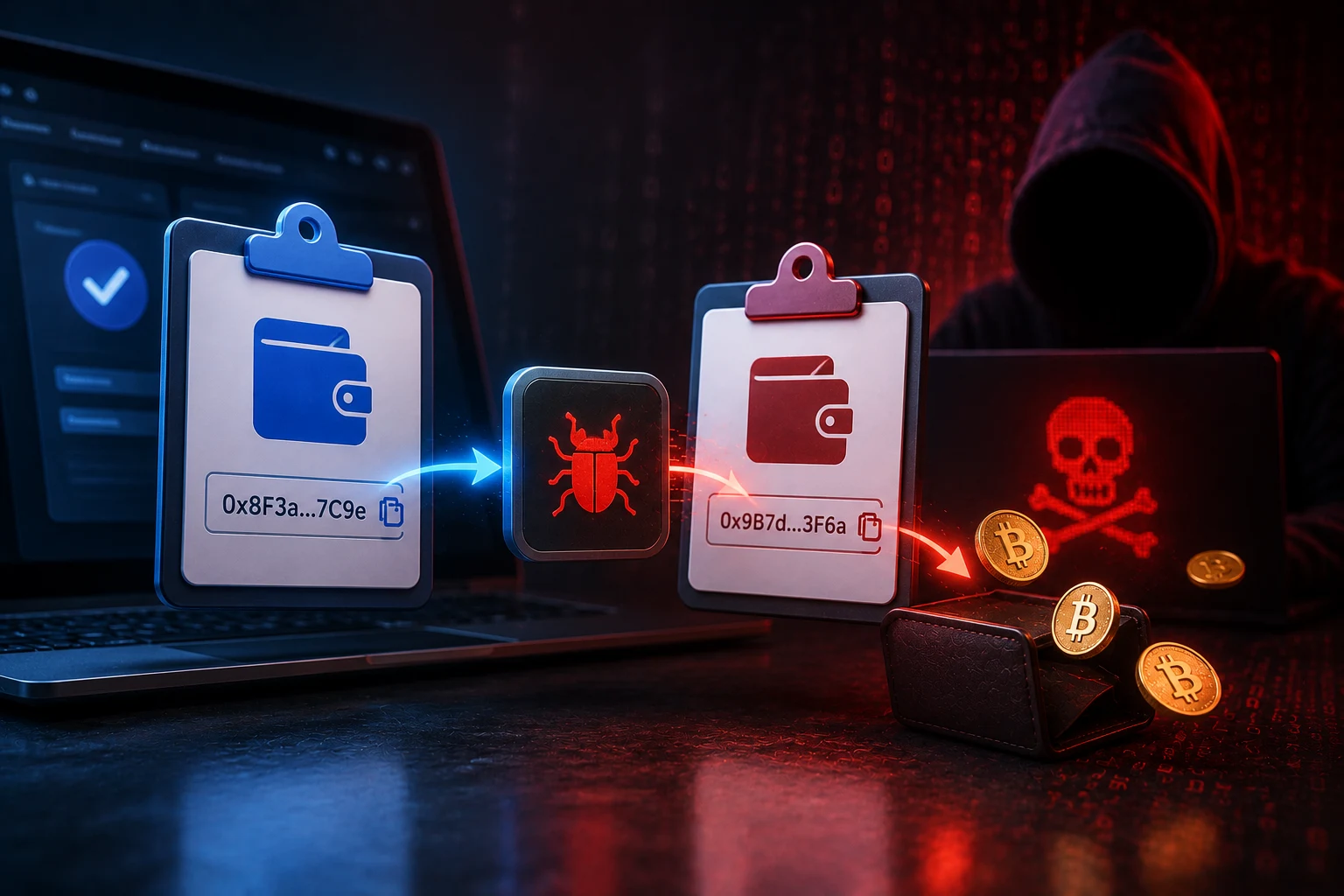
- Fake apps and lookalike websites. Always verify URLs and download only from official sources.
A quick word on responsibility
Crypto is volatile, and prices can fall as fast as they rise. Never invest money you cannot afford to lose, never borrow to invest, and treat anyone promising certainty as a red flag. This is education, not financial advice — your decisions are your own, and a licensed professional can help with your specific situation.
Buy informed, not impulsive
The best protection against a bad buy is context — knowing the difference between a real development and hype designed to make you act fast. Zippfeed gives you crypto news with sentiment and importance scoring across multiple sources, so before you act on a "hot tip," you can check whether the market and the headlines actually support it. Informed beats impulsive every time.


 WuBlockchain
 CryptoSlate
 Glassnode
 WatcherGuru
 Altcoin Daily