








Learn
Evergreen guides — pick a topic and go deep.
-
 security
RWA vs Stablecoin Confusion: Scams and Costly Mistakes
USDY, OUSG, and USDC may all represent dollar value on-chain, but their yield, redemption, access, tax, and liquidity mechanics differ sharply.
-
 security
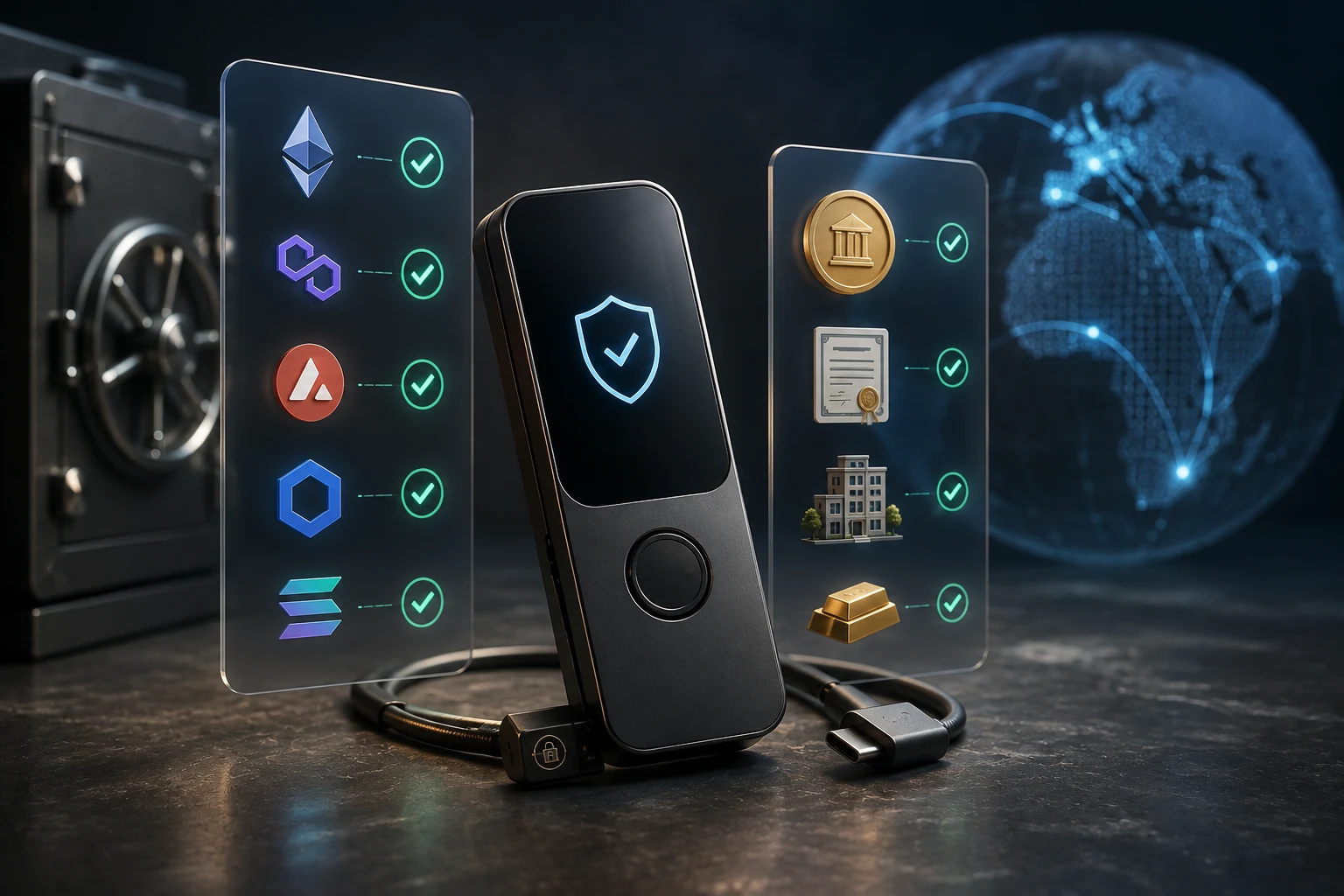
Hardware Wallet RWA Support: Compatibility Checklist
Supporting Ethereum does not guarantee support for OUSG. Check networks, contracts, whitelists, wallet interfaces, and test transfers first.
-
 security
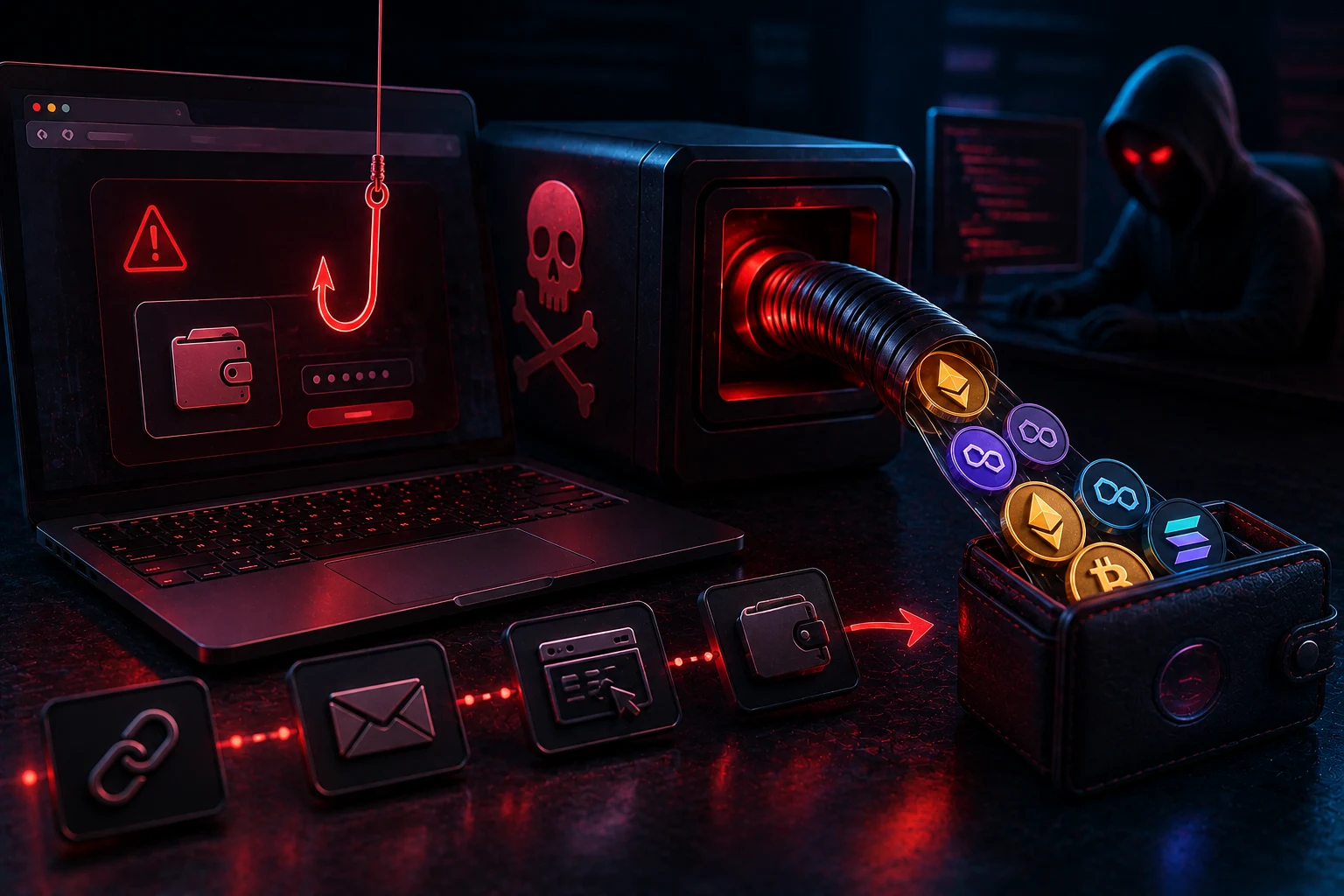
Crypto Wallet Drainer Kits in 2026: How They Actually Work
Drainer kits now target permit2, session keys, and smart accounts, not just legacy approvals. Here is the current taxonomy and the laundering trail behind it.
-
 security
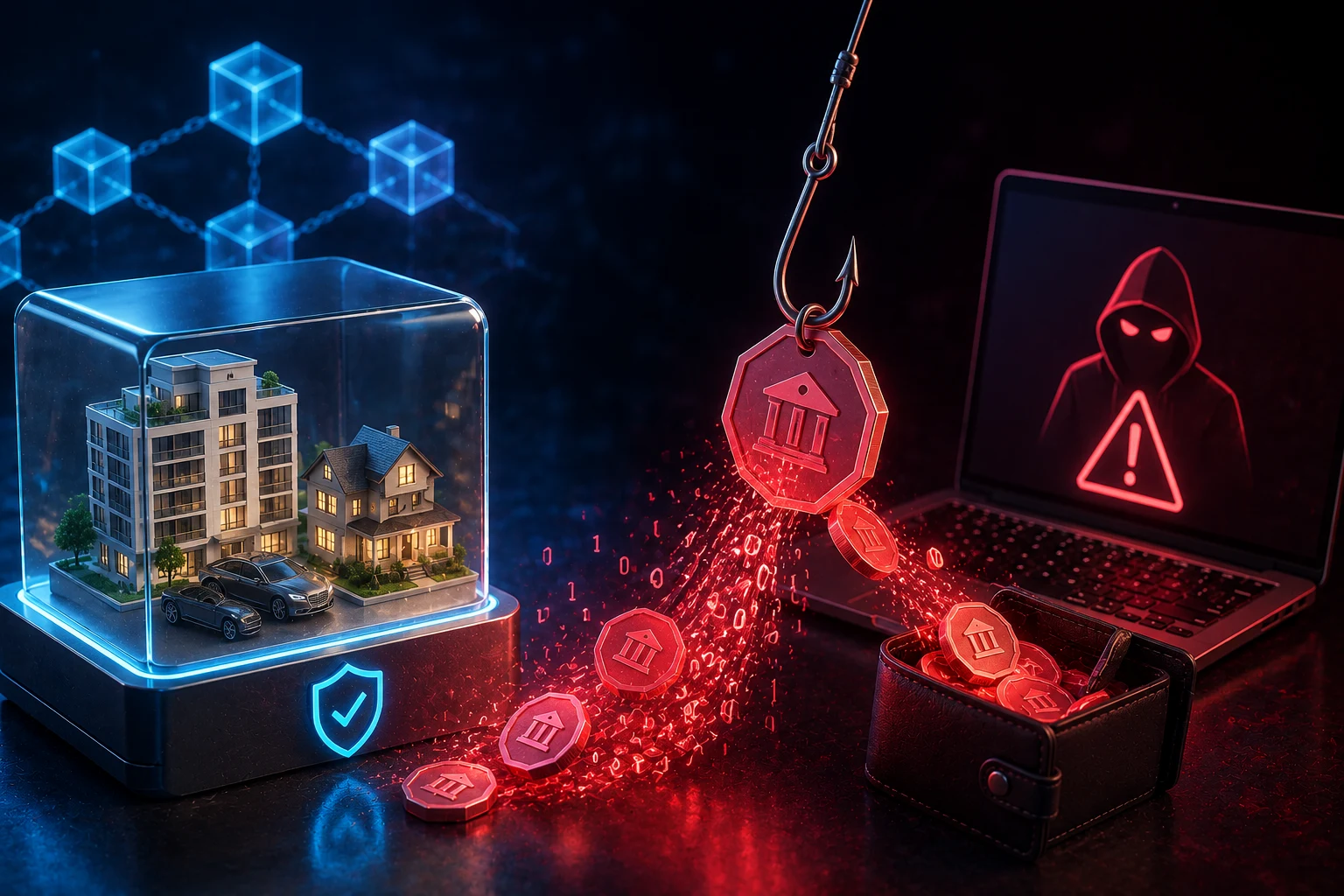
RWA Phishing Scams: How Fake Tokenized Assets Drain Wallets
Real-world asset tokens like BUIDL and OUSG are the newest disguise for wallet-draining phishing. Here is the exact pattern scammers use and the checks that catch it.
-
 security
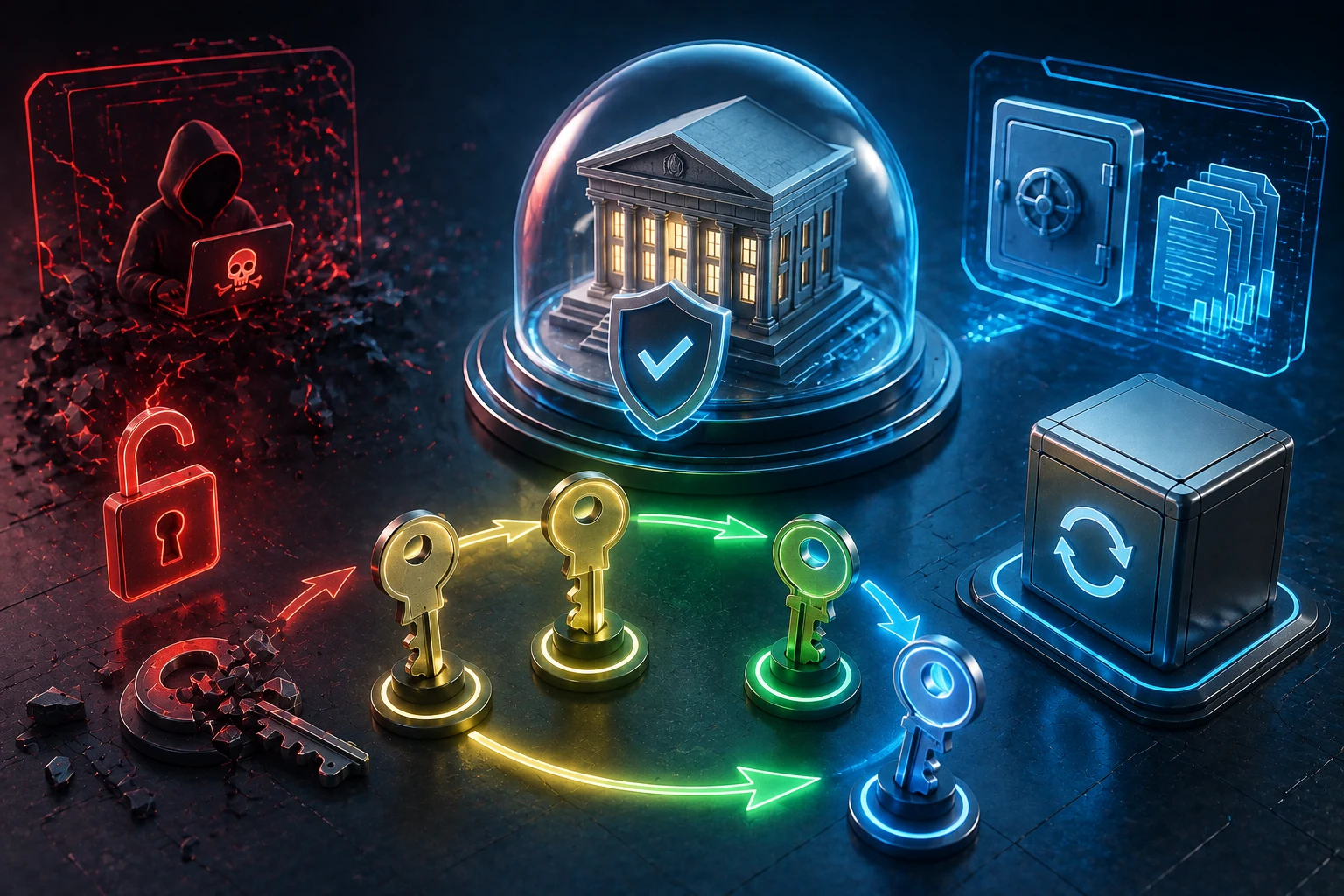
RWA Key Rotation and Operator Compromise: How Tokenized Assets Survive a Hack
Most tokenized real-world assets sit behind an upgradeable contract controlled by a small multisig. A compromise there can rewrite the rules.
-
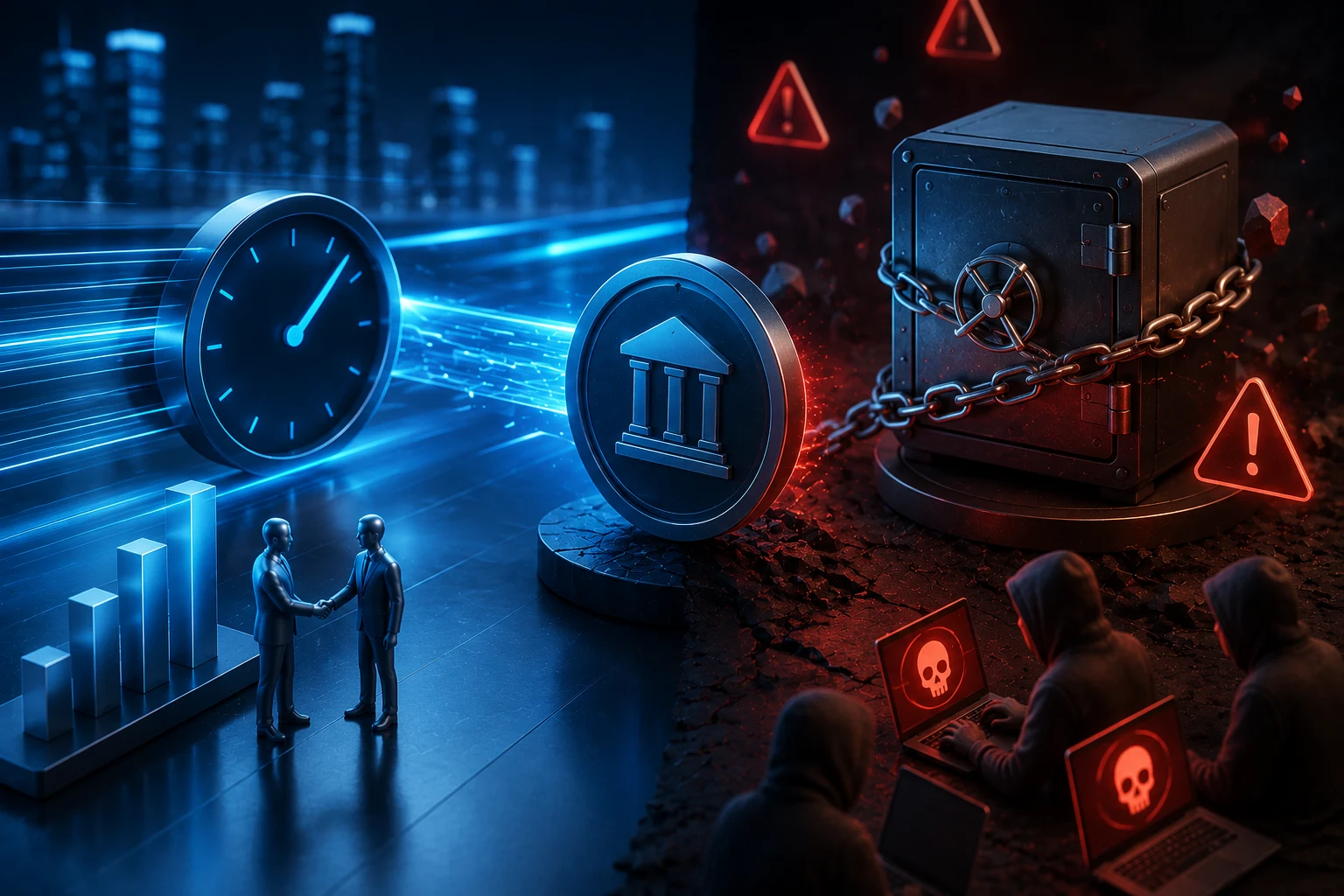 security
Tokenized Equity: Settlement Speed vs Custody Attack Surfaces
Tokenized stocks settle in seconds instead of T+2, but each speed gain introduces a new custody or regulatory gap. Here is where the risks actually live.
-
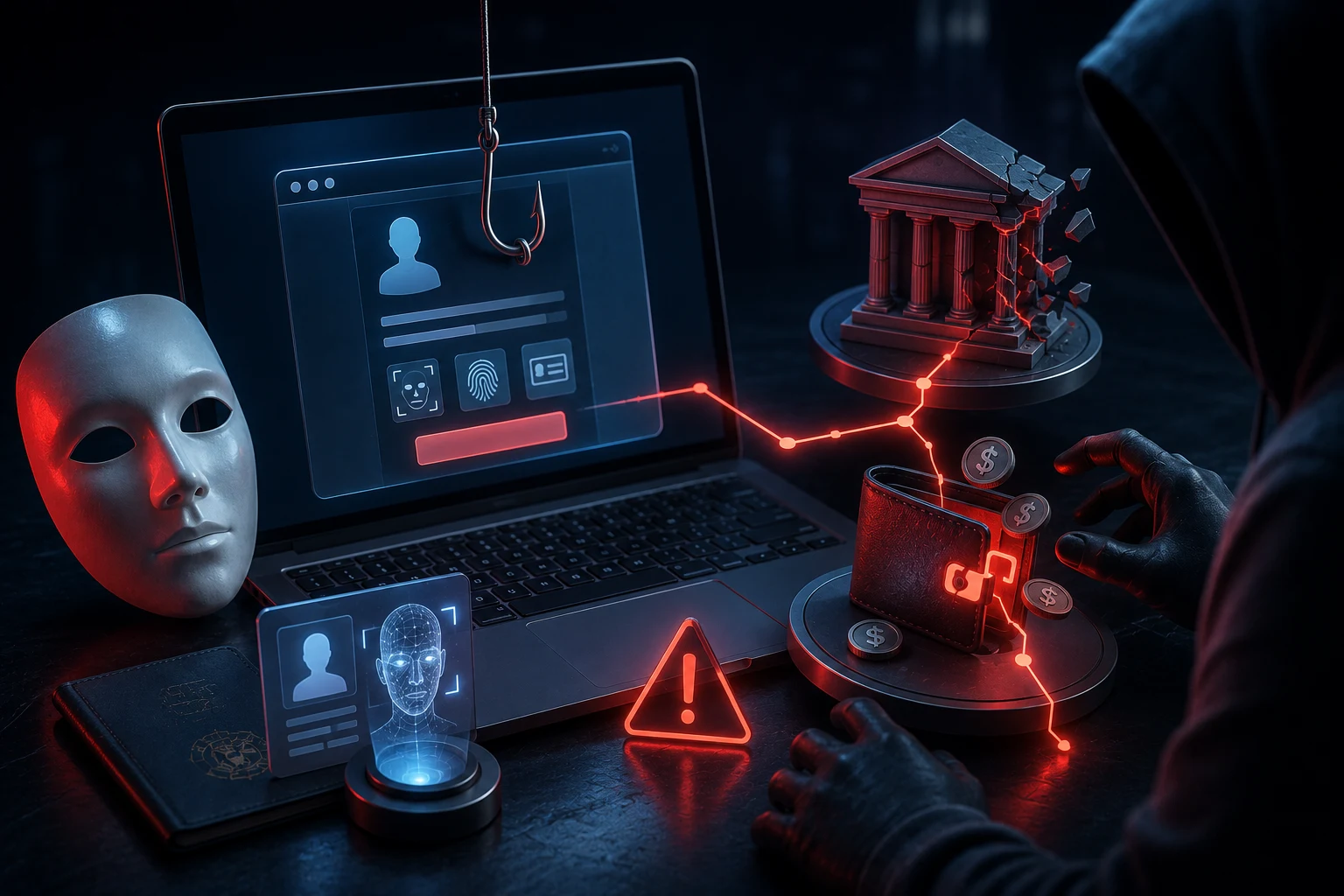 security
Fake KYC Portal Crypto Scams: The RWA Drainer Playbook
Tokenized-asset raises trigger cloned KYC pages within days. Attackers use URL spoofing, urgency, and signature requests to drain wallets before victims realize what happened.
-
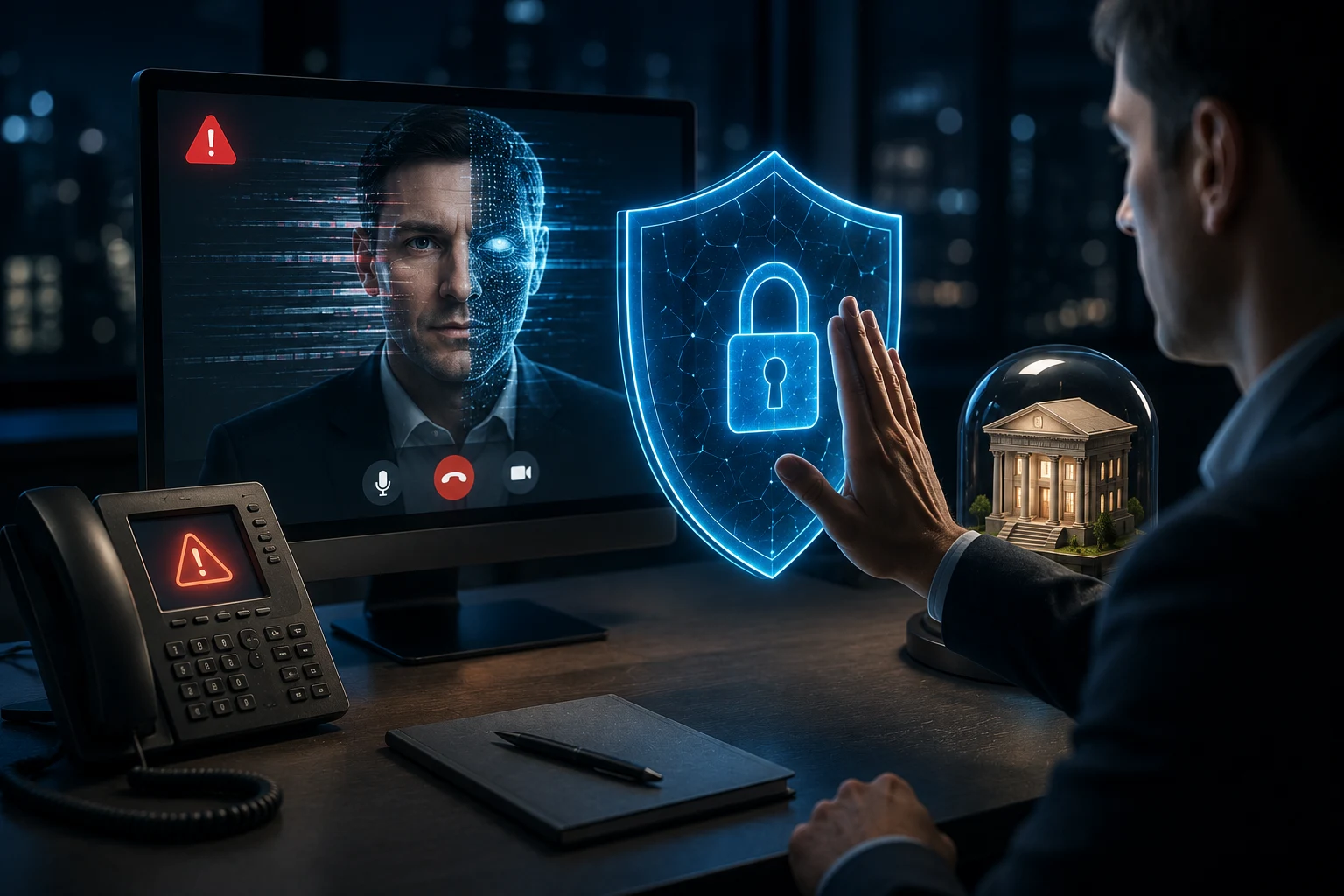 security
Deepfake RWA Fraud: Stopping Fake Issuer Wire Calls
A Hong Kong employee reportedly wired about $25 million after a deepfake CFO call. Learn the checks that can stop fake RWA escrow payments.
-
 security
RWA Oracle Attack: When the Price Feed Lies
Real-world asset tokens rely on price feeds that can fail or be manipulated. Here is how an oracle lie cascades into a six-figure loss on a tokenized T-bill or REIT.
-
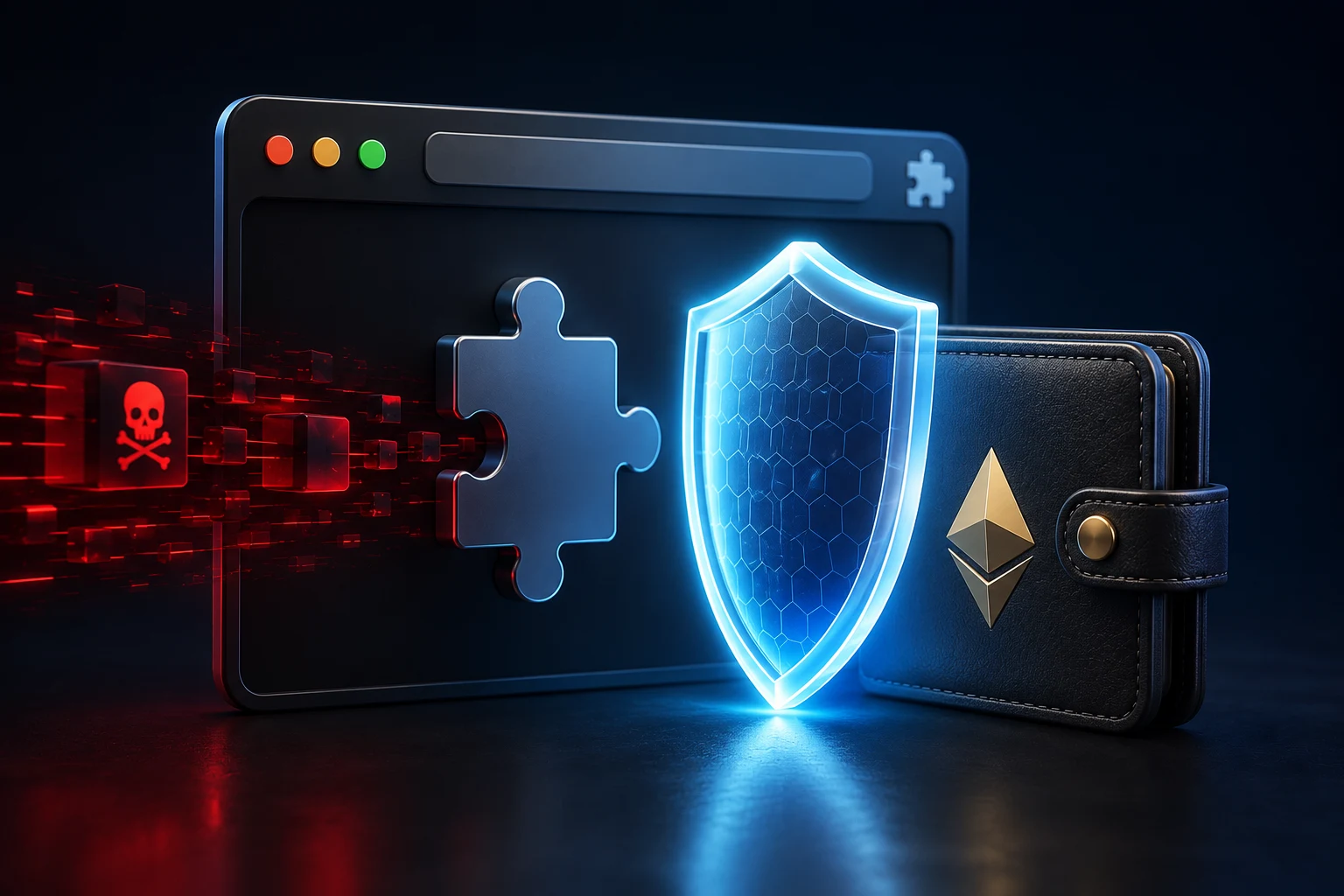 security
Browser Extension Supply Chain Attacks: Crypto Wallet Defense
A single malicious extension update can drain your wallet. Here is how dependency-confusion, typosquatting, and rogue updates actually unfold, and the defensive habits that blunt them.
-
 security
SIM-Swap Crypto Exchange Attacks: How to Defend Yourself
A SIM-swap lets an attacker hijack your phone number, beat SMS 2FA, and drain your exchange account. Here is how the attack works and how to lock it down in an afternoon.
-
 security
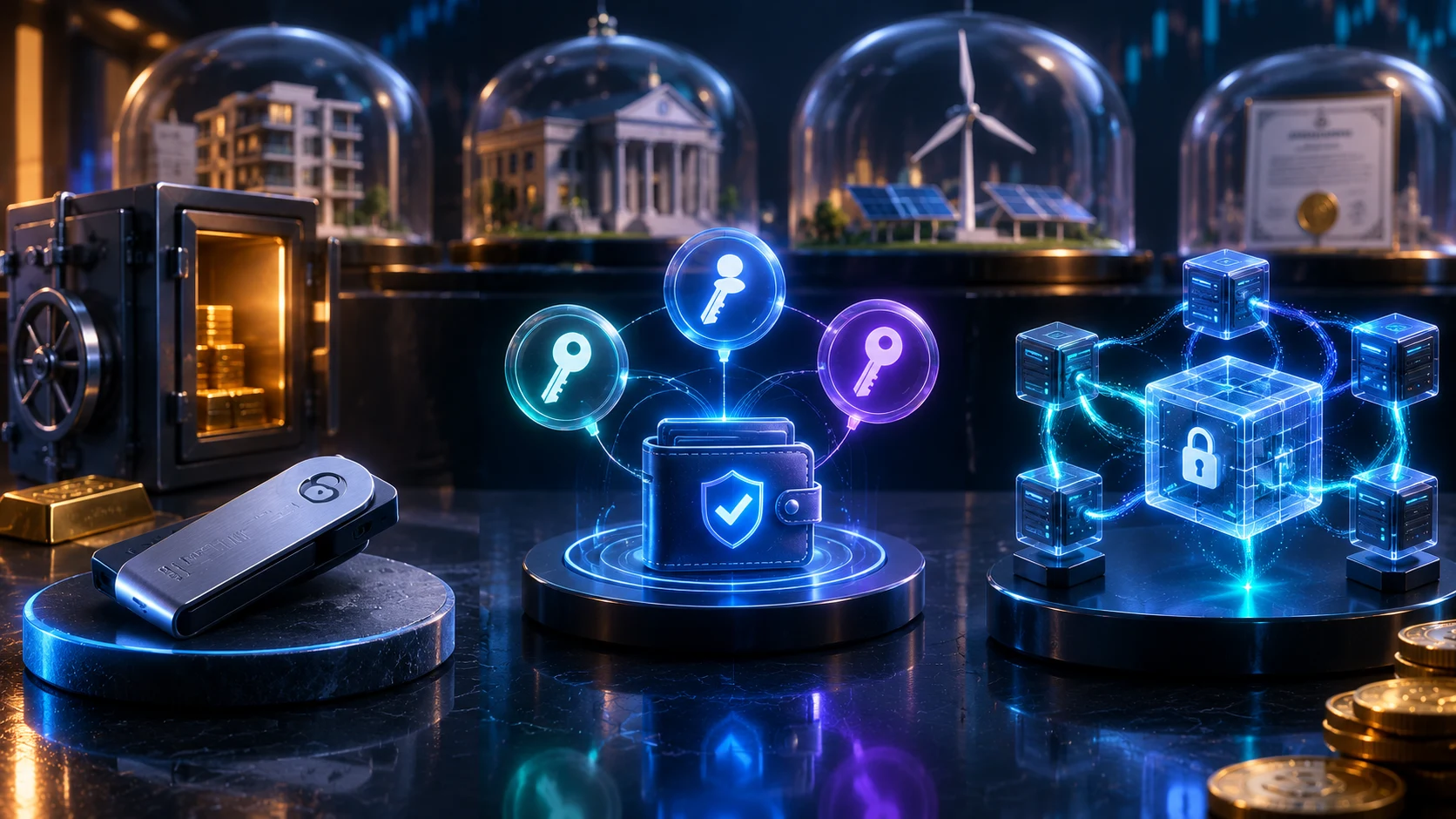
Cold Storage vs Multisig vs MPC for Tokenized RWA
An OUSG-style daily redemption flow breaks naive custody setups. Here is how cold storage, multisig, and MPC compare on latency, audit trail, and key-loss survival.
-
 security
AI Deepfake Crypto Scams: How They Work and How to Defend
Scammers are using AI video and voice clones of crypto founders in live calls. Here is how the attack flow works and the one habit that stops it.
-
 security
What the Celsius Collapse Teaches About RWA Custody
Celsius commingled customer funds, then went bankrupt. Over a million users waited years to recover pennies on the dollar. Here is what tokenized-asset holders must learn from it.
-
 security
Wallet Drainers in 2026: How the Phishing Has Evolved
Drainer kits now piggyback on Permit2, AI support agents, and address poisoning at industrial scale. Here is what changed and what to do in the first five minutes.
No published guides yet — check back soon.