








 CoinDesk
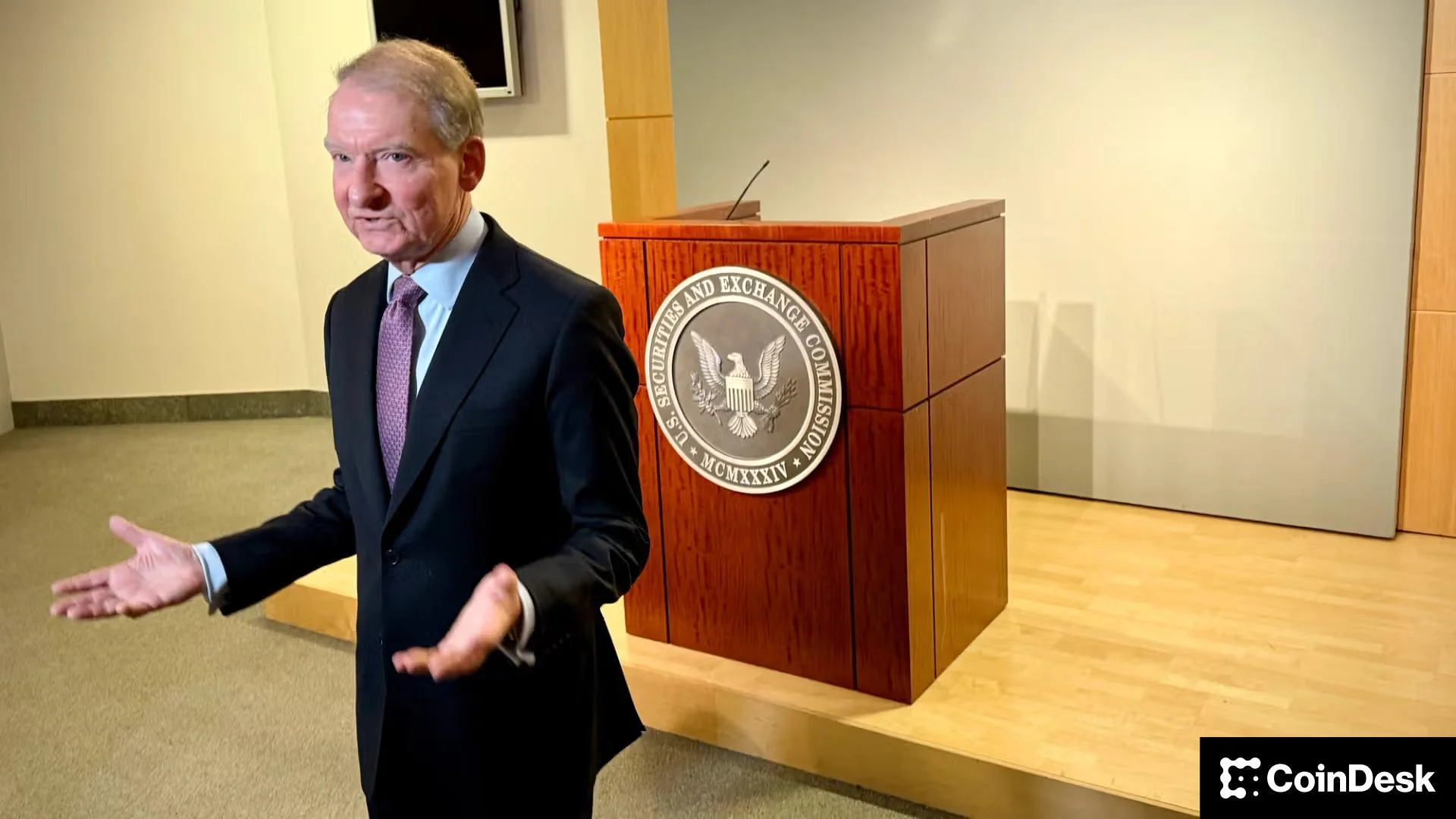



The SEC has created a five-year exemption for trading tokenized U.S. stocks that preserve the rights of traditional shareholders, including dividends and voting rights. The framework could benefit tokenization firms such as Securitize, Bullish and Superstate, along with custodial models such as Dinari.
It also allows automated market makers, or AMMs, on public blockchains to trade qualifying tokenized securities without registering as traditional exchanges. Access must remain controlled through KYC, trading limits and other securities-market safeguards, keeping the experiment narrower than a fully permissionless stock market.
Why it matters
The exemption draws a clear line between real tokenized shares and synthetic products that only track stock prices. Offerings linked to Robinhood, Kraken and Ondo that provide exposure without shareholder rights fall outside the framework and may need to change if their providers want a U.S. route.
Public companies also retain a veto over third-party tokenization. A venue must notify an issuer and wait 30 days before trading begins, and an objection blocks the token from using the exemption. That requirement gives issuers control while creating a defined path for custodial and issuer-sponsored models.
Market impact
The decision is a directional win for regulated DeFi and the infrastructure behind real-world assets. Ethereum, Solana and BNB Chain could host compliant venues, while Uniswap and Aerodrome are among the DeFi platforms that could benefit if they build permissioned access layers.
The main constraint is implementation. Fully decentralized exchanges may struggle to satisfy gating, asset-approval and KYC requirements, which could slow adoption and limit the first wave of products. The exemption also caps the number of stocks and the share of overall trading volume venues can handle.
The immediate market reaction reflected the regulatory signal, with Securitize up 14%, Bullish 10%, Robinhood 2.8% and Coinbase 5% in the cited session. The longer-term test is whether firms can bring real shares onchain without sacrificing the compliance controls the SEC requires.





Frequently asked questions
-
What does the SEC’s five-year exemption allow?
It allows qualifying tokenized U.S. stocks with full shareholder rights to trade through approved venues, including AMMs on public blockchains.
-
Which tokenized stock products fall outside the framework?
Synthetic products that only provide price exposure without dividends, voting rights or other rights attached to the underlying stock do not qualify.
-
Can public companies block third-party stock tokenization?
Yes. A venue must notify the issuer and wait 30 days before trading, and the issuer can object to prevent the token from using the exemption.
-
How could DeFi platforms benefit from the SEC framework?
Platforms such as Uniswap and Aerodrome could build permissioned AMM venues for tokenized securities, provided they meet KYC, trading-limit and other regulatory requirements.
-
Why could adoption of tokenized stocks remain limited at first?
The exemption limits the number of stocks and trading volume venues can handle. Permissioned access, asset approval and KYC requirements may also slow participation by fully decentralized platforms.
 CoinTelegraph
 TheBlock
 WatcherGuru
 Crypto Capital Venture
 Altcoin Daily
 Crypto News
 CryptoSlate