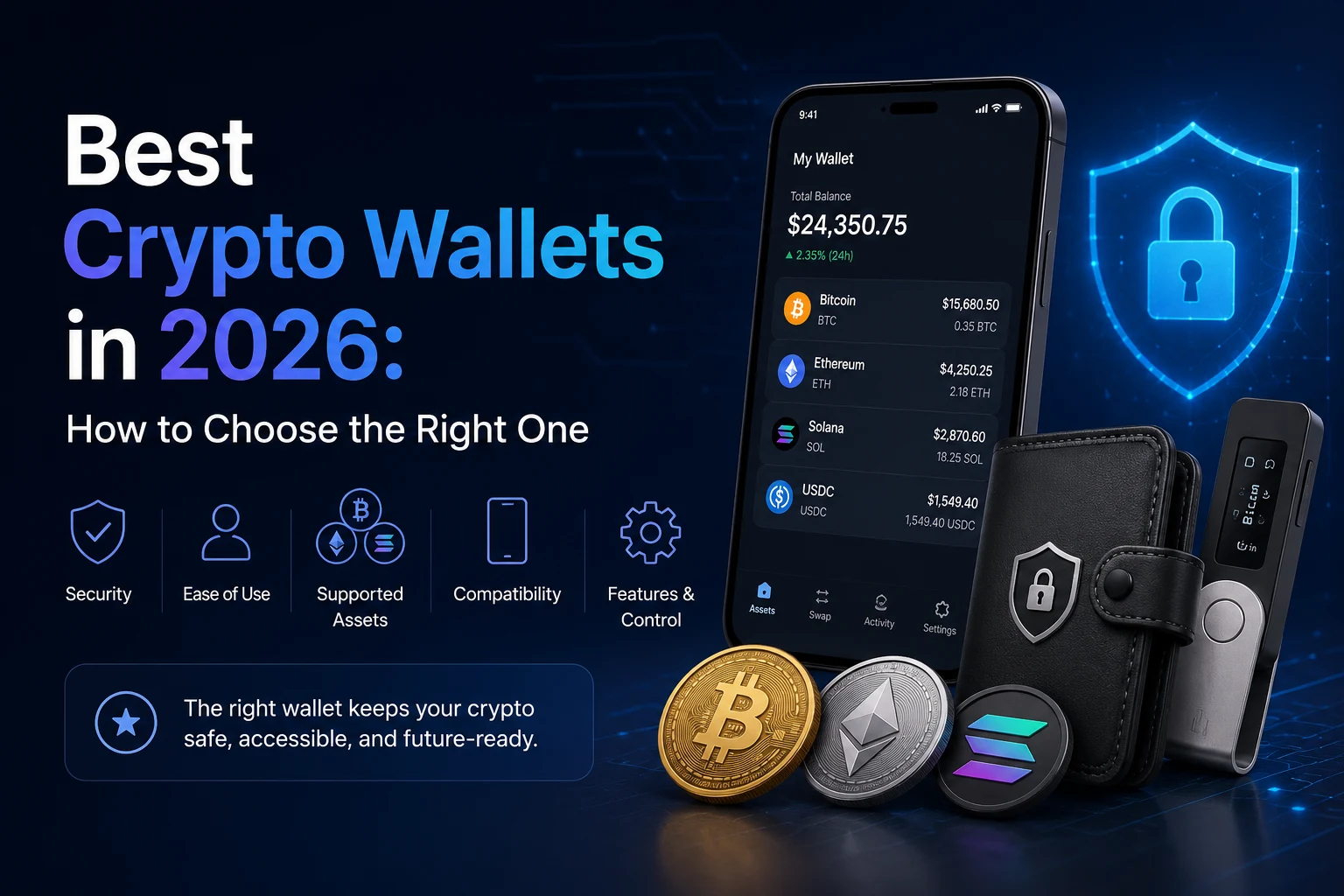
There is no single "best" wallet — and that's the point
Ask ten people for the best crypto wallet and you will get ten answers, all of them partly right. The truth is that the right wallet depends entirely on what you are doing: holding long-term, trading daily, using DeFi, or just learning. This guide skips the affiliate-bait rankings and explains the *categories*, so you can pick the right tool for your situation in 2026.
First, understand the real divide: hot vs cold
Everything else is detail. The fundamental split is whether your wallet's keys touch the internet.
Hot wallets (connected)
A hot wallet runs on an internet-connected device — a phone app, browser extension, or desktop program. They are free, fast, and convenient, which makes them ideal for everyday spending, DeFi, and active trading. The trade-off is exposure: because they are online, they are a bigger target for malware and phishing.
Cold wallets (offline)
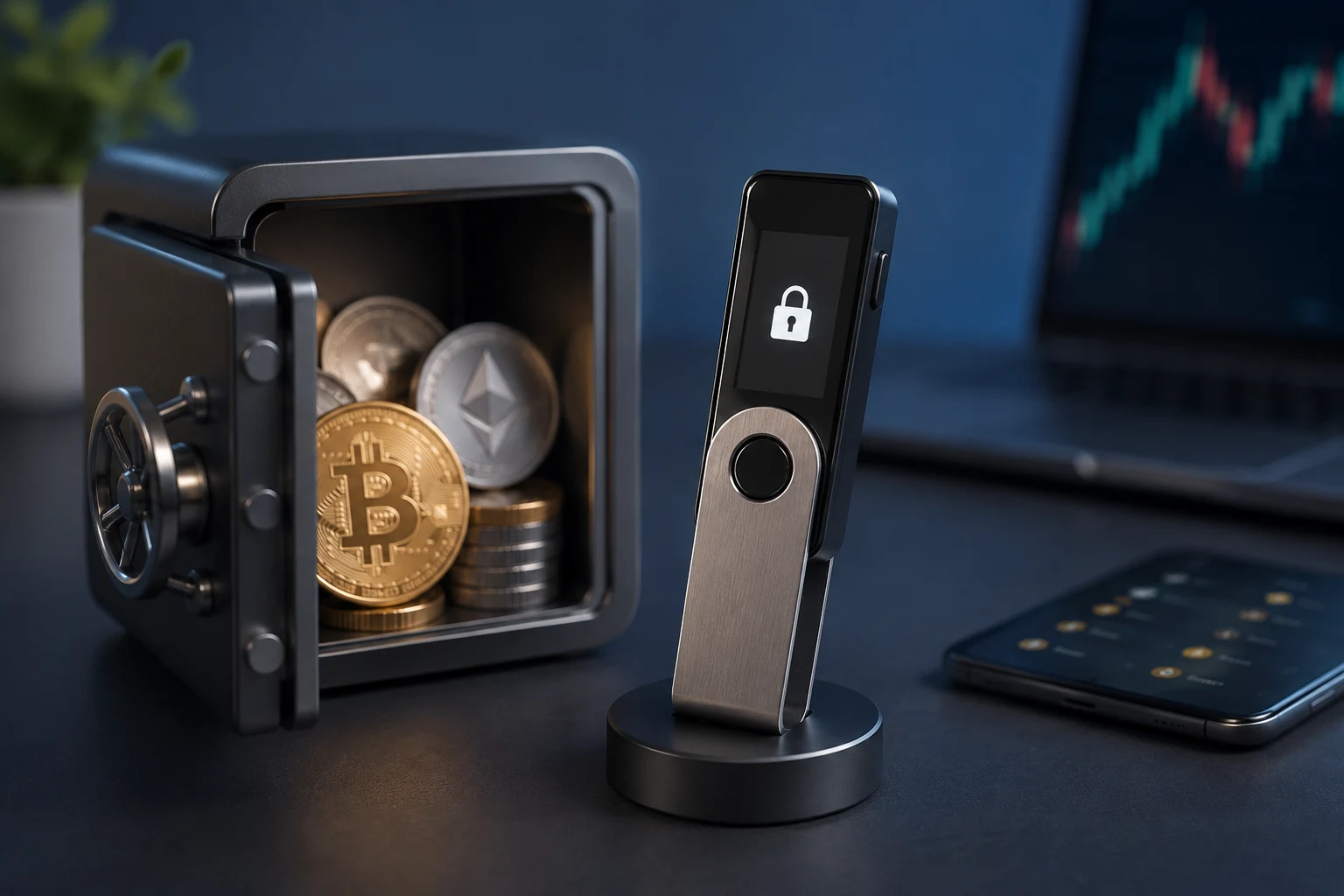
A cold wallet keeps your private keys completely offline. The most common form is a hardware wallet — a small physical device that signs transactions without ever exposing your keys to the internet. Slower and less convenient, far more secure. This is where serious holders keep the bulk of their assets. Our best
hardware wallets compared piece goes deeper.
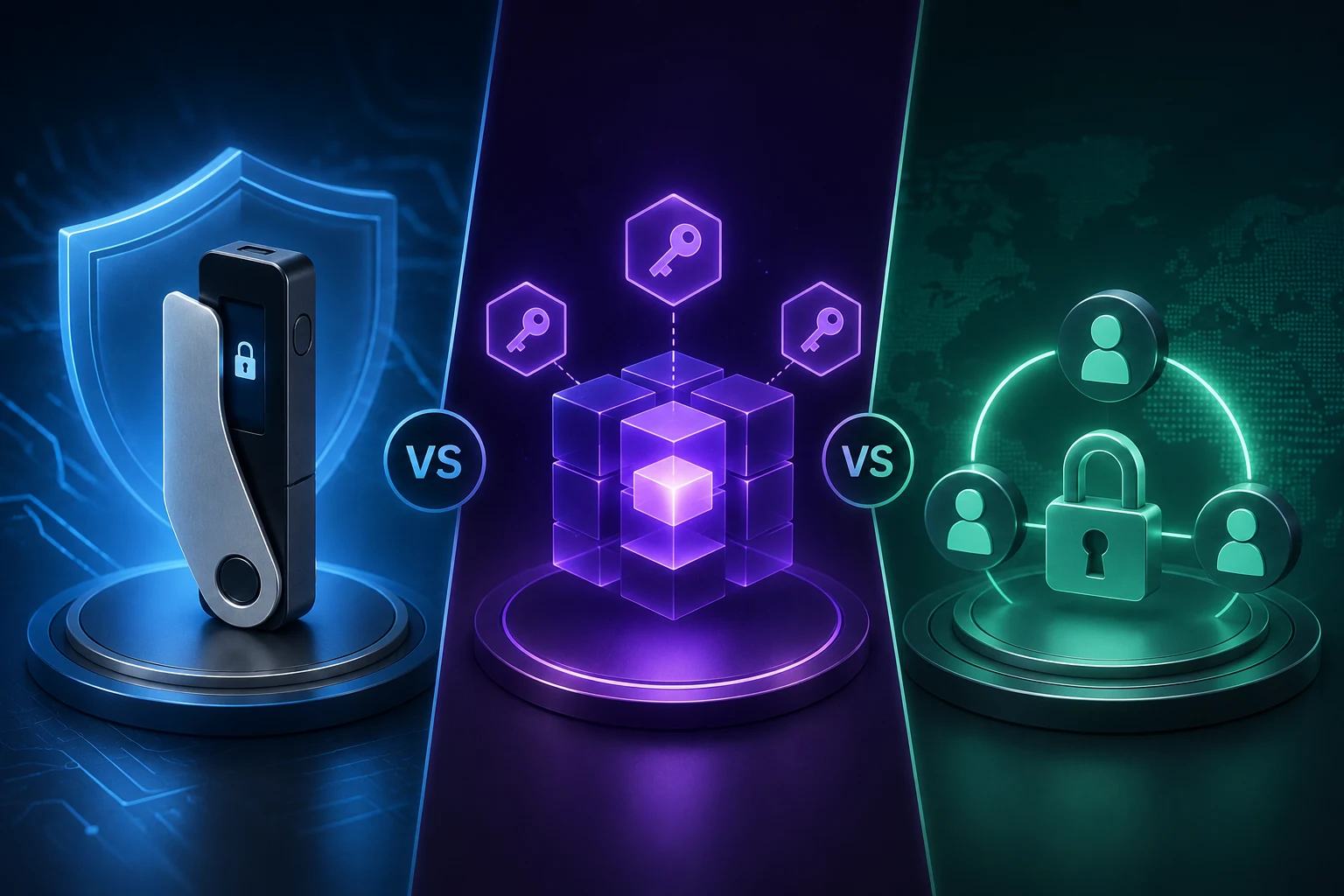
The four wallet types you'll actually choose between
1. Hardware wallets — Physical devices for cold storage. Best for long-term holdings and large balances. You confirm every transaction on the device itself.
2. Mobile wallets — Apps on your phone. Great balance of convenience and control for daily use and DeFi. Keep only spending-money amounts here.
3. Browser-extension wallets — Live in your browser for interacting with web3 apps. Essential for DeFi and NFTs, but the most exposed to malicious sites. Treat them as a hot, low-balance tool.
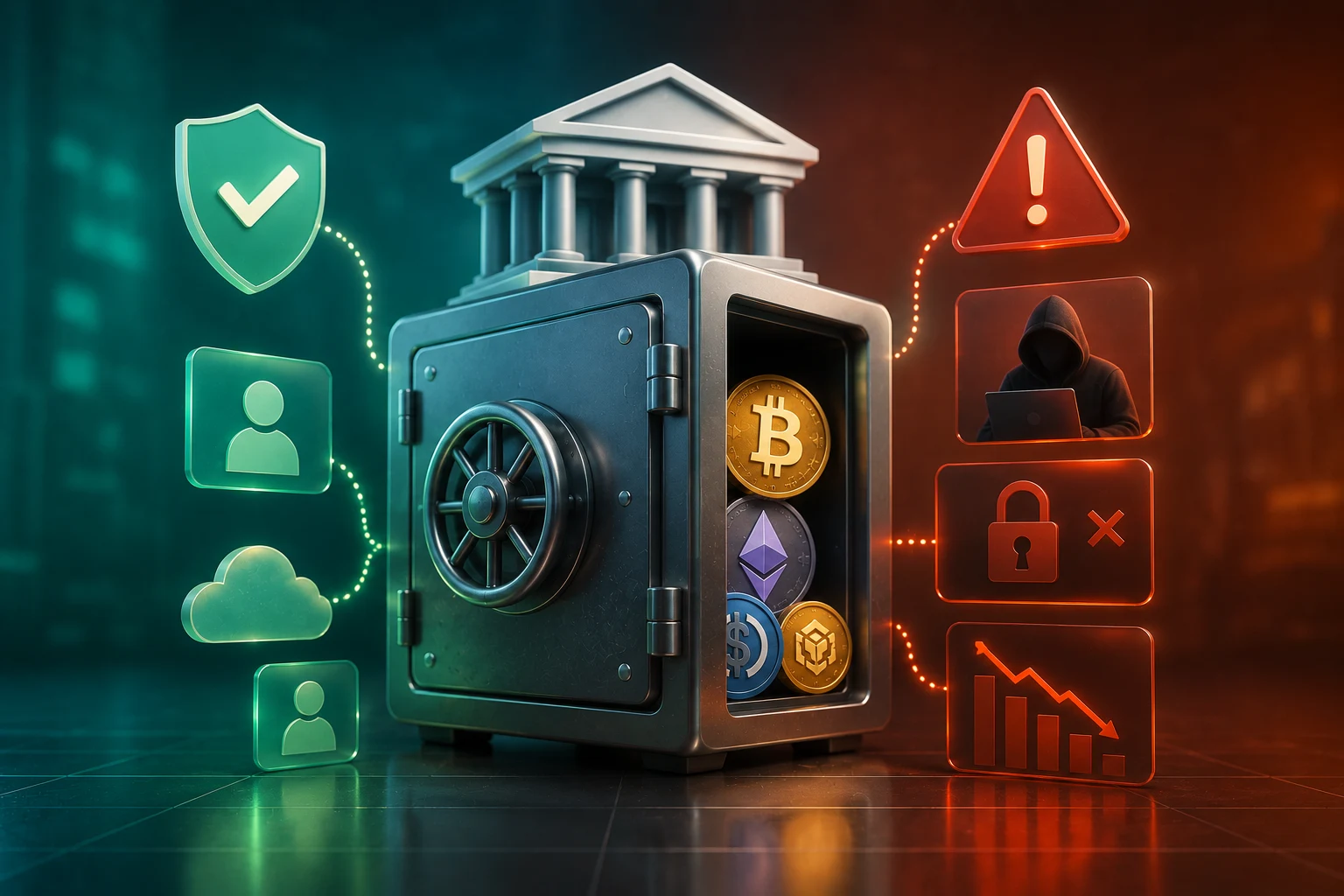
4. Custodial wallets — Provided by an exchange or app that holds your keys for you. Easiest to start with, but you are trusting a third party. Not your keys, not your coins. Fine for small amounts and active trading; not where you store savings.
Custodial vs non-custodial: who holds the keys
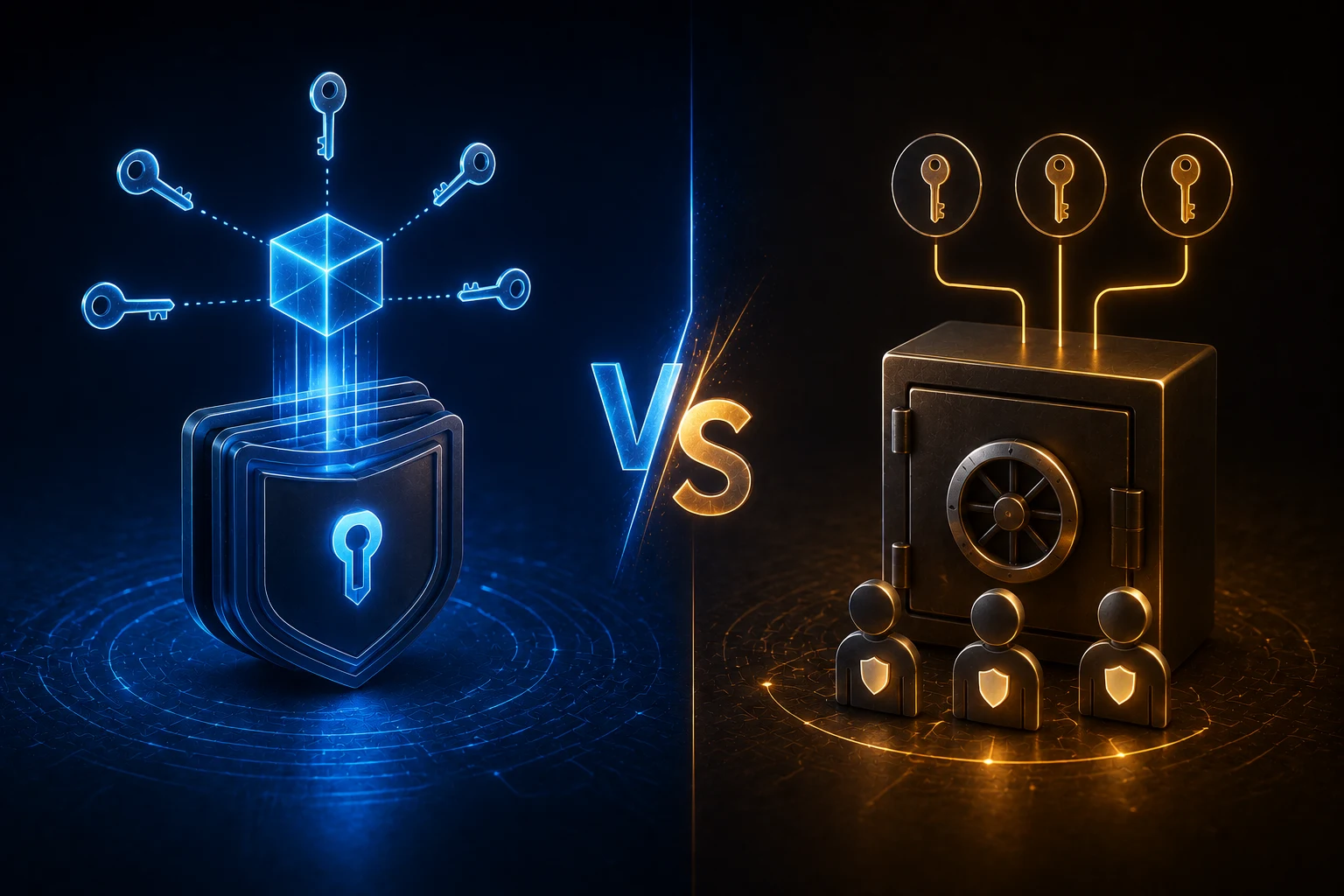
This is the question underneath all the others. In a custodial wallet, a company controls your private keys — convenient, recoverable if you forget a password, but dependent on that company's security and solvency. In a non-custodial wallet, *you* hold the keys — full control, full responsibility, no one to call if you lose your seed phrase. Most experienced users keep a custodial account for trading and a non-custodial cold wallet for holding.
How to actually choose
Match the wallet to the job:
- Learning or holding small amounts? A reputable mobile or custodial wallet is fine.
- Holding meaningful long-term savings? A hardware wallet, no question.
- Active in DeFi or NFTs? A browser wallet for interaction, funded only with what you need, plus a hardware wallet for storage.
- Trading daily? A custodial exchange account for liquidity, with profits swept to cold storage.
Many people use two or three wallets at once. That is not overkill — it is layered security.
The security checklist that matters
Before you move real money, lock these down:
- Write your seed phrase on paper, never digitally. No photos, no cloud notes, no screenshots. Anyone with the phrase owns your funds.
- Buy hardware wallets only from the manufacturer. Never secondhand, never from a marketplace reseller — tampered devices are a known scam.
- Verify every address before sending. Clipboard-hijacking malware swaps addresses silently.
- Enable every security feature — PINs, passphrases, biometric locks.
- Beware "support" that messages you first. Real wallet teams never DM you asking for your seed phrase. Ever.
Our full walkthrough lives in how to store crypto securely.
Stay ahead of wallet threats
Wallet exploits, phishing campaigns, and compromised browser extensions are a constant in crypto, and the first reports usually surface in the news cycle before they reach official channels. Zippfeed tracks security-related crypto headlines with sentiment and importance scoring, so you hear about a wallet drainer or a compromised library early — when it still matters — rather than after your funds are gone.







 Lookonchain
 WuBlockchain
 CryptoSlate
 Glassnode