The big picture
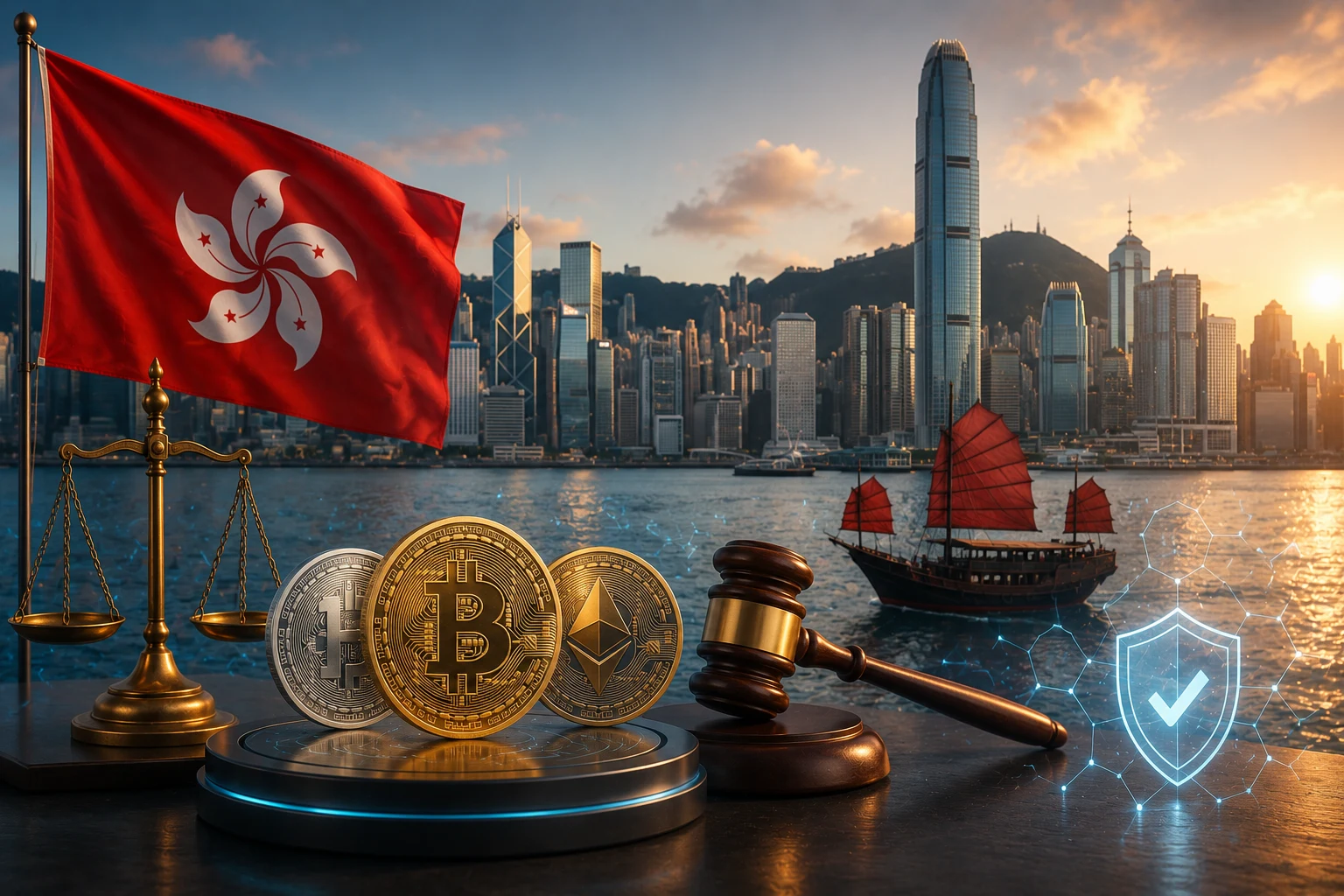
After a few years of restraint, Hong Kong has positioned itself openly as a regulated crypto hub. The strategy is twofold: a clear licensing regime for trading platforms run by the Securities and Futures Commission, and a parallel framework for stablecoins coordinated with the Hong Kong Monetary Authority. The aim is to attract serious firms and serious capital while still defining who can buy what and under which protections. It is not a deregulated playground; it is a regulated openness.
This is an educational overview, not legal advice. Hong Kong's rules continue to evolve and details can change with each consultation round and ordinance amendment.
Who the regulator is
The Securities and Futures Commission (SFC) is the lead regulator for virtual asset trading platforms, securities-token offerings and fund products with crypto exposure. The Hong Kong Monetary Authority (HKMA) handles stablecoin issuance, payment systems and certain custody activities. The Financial Services and the Treasury Bureau sets policy, while the Inland Revenue Department (IRD) provides tax guidance.
The SFC's role is to set licensing conditions, supervise conduct and police misconduct. A licence under its regime means a firm has met capital, custody, governance and conduct standards. It does not mean an asset listed on that platform is safe.
What is regulated
Several activity buckets sit within Hong Kong's framework today:
- Virtual asset trading platforms. Operating an exchange that serves Hong Kong customers, including retail, requires an SFC licence under a dedicated regime. Licensed platforms must follow rules on custody, listing, market surveillance, conflicts and consumer protection.
- Stablecoins. A standalone stablecoin ordinance regulates issuers of fiat-referenced stablecoins under the HKMA, with reserve, redemption and disclosure requirements. The intent is to give users confidence in regulated stablecoins and to bring such activity inside Hong Kong's perimeter rather than pushing it offshore.
- Security tokens. Tokens that qualify as securities under Hong Kong law trigger the existing securities regime, including prospectus and intermediary rules.
- Funds and ETFs. The SFC has authorised spot virtual asset ETFs for retail investors, making Hong Kong one of the early major jurisdictions to do so. The rules around suitability, distribution and disclosure are tightly defined.
Outside these regulated boxes, Hong Kong does not generally permit retail access to unlicensed offshore platforms — though enforcement and reality on the ground are not identical.
Practical implications for users and businesses
For retail users in Hong Kong, this means more choice but also more friction. You can use a licensed exchange and access a curated set of tokens with proper safeguards, or move into ETFs that the SFC has authorised. Suitability assessments and disclosures are part of the user journey. Unlicensed platforms remain a high-risk area both for legal and practical reasons.
For professional and institutional users, Hong Kong is among the friendlier sophisticated venues: a clear regulator, an active fund industry, and a path to listing crypto products on regulated venues. The trade-off is real ongoing compliance — licensed platforms operate under close supervision.
For businesses, building or operating in Hong Kong requires early engagement with the SFC and, where relevant, the HKMA. The bar to obtain and maintain a licence is high; many global firms tackle Hong Kong via a regional entity dedicated to the regulated side, with retail flows or unregulated activity sitting elsewhere.
On tax, Hong Kong has no general capital gains tax. Investment gains on crypto held in a personal capacity are typically not taxed. Profits from a trade or business — frequent trading, business operations, services accepting crypto — can fall under profits tax. The IRD has issued guidance and a qualified accountant should weigh in on specific cases.
What is changing
Hong Kong is building out its framework in real time. Expect more consultations on staking, custody standards, additional virtual asset product approvals and refinements to the stablecoin regime. The relationship with Mainland China's crypto stance is a constant backdrop — Hong Kong runs its own framework, but its political and financial connections are followed closely.
Compared with the European Union's MiCA — see what is MiCA — Hong Kong is rule-by-rule rather than one-shot, and its rules will not mirror MiCA's. Compared with the SEC framework — see SEC crypto regulation — Hong Kong has been quicker to approve retail-facing products like spot ETFs under clear conduct standards.
Follow Hong Kong crypto policy as it moves
Hong Kong's regulatory rhythm runs through SFC and HKMA consultations, circulars and announcements. A consultation today often becomes a binding rule six to twelve months later. Zippfeed surfaces Hong Kong regulatory headlines with sentiment and importance scoring so you can tell which announcements are setting the stage and which will change what is available, how it is sold and what protections apply. This is education, not financial or legal advice — but informed beats surprised every time.