What does "custody" actually mean for a tokenized real-world asset?
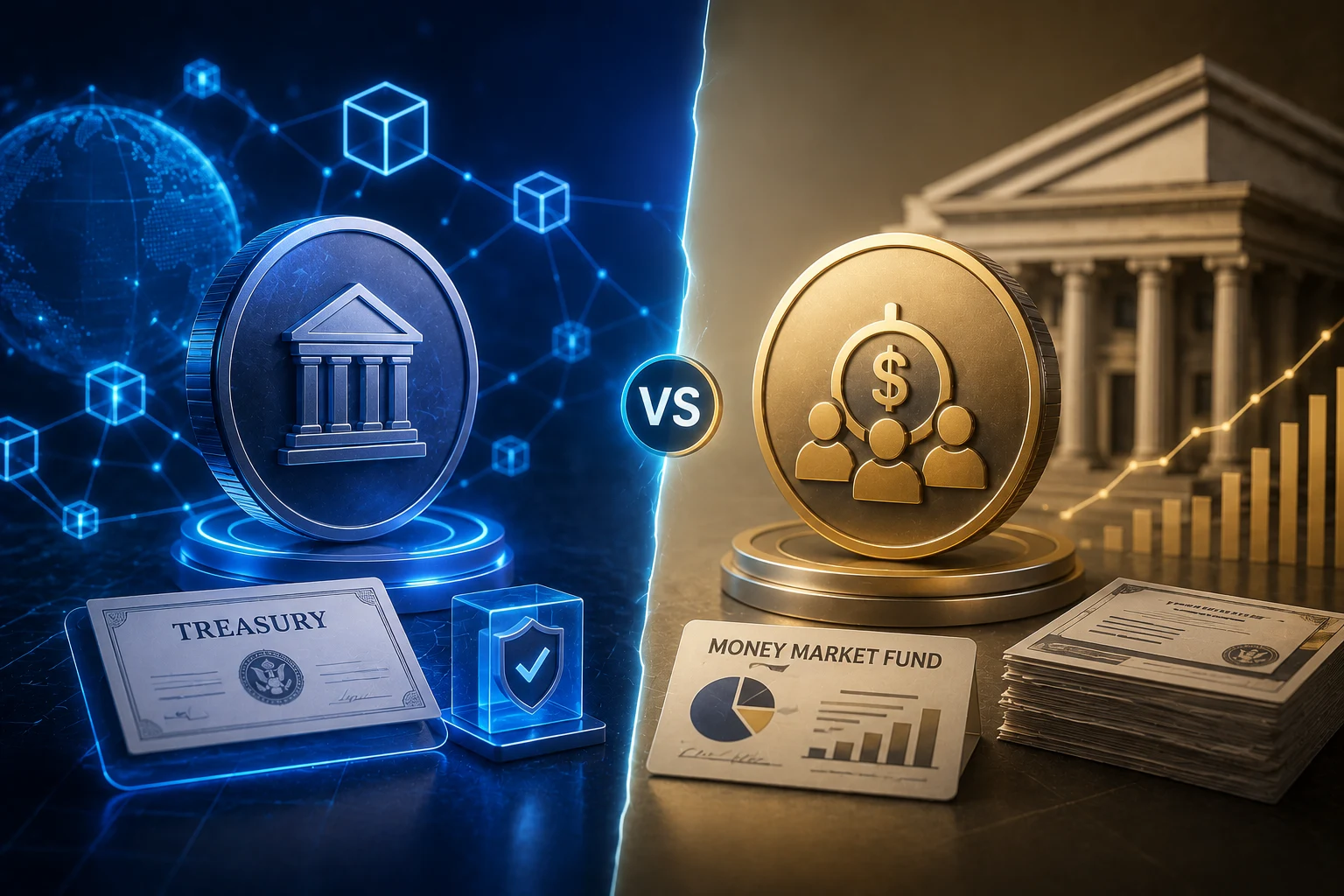
If you buy a tokenized money-market fund on a blockchain, you are not buying a coin that lives on-chain in the way Bitcoin does. You are buying a digital claim against a legal entity, and that entity, in turn, owns cash, Treasury bills, or other instruments at a regulated depository. The token is a receipt. The dollars live somewhere entirely off-chain.
This distinction matters because most retail buyers picture a wallet full of "tokenized treasuries" the same way they picture a wallet full of ETH. That picture is wrong. The token balance in your wallet reflects what the issuer's records say you own, and those records ultimately point to a custodian's balance sheet.
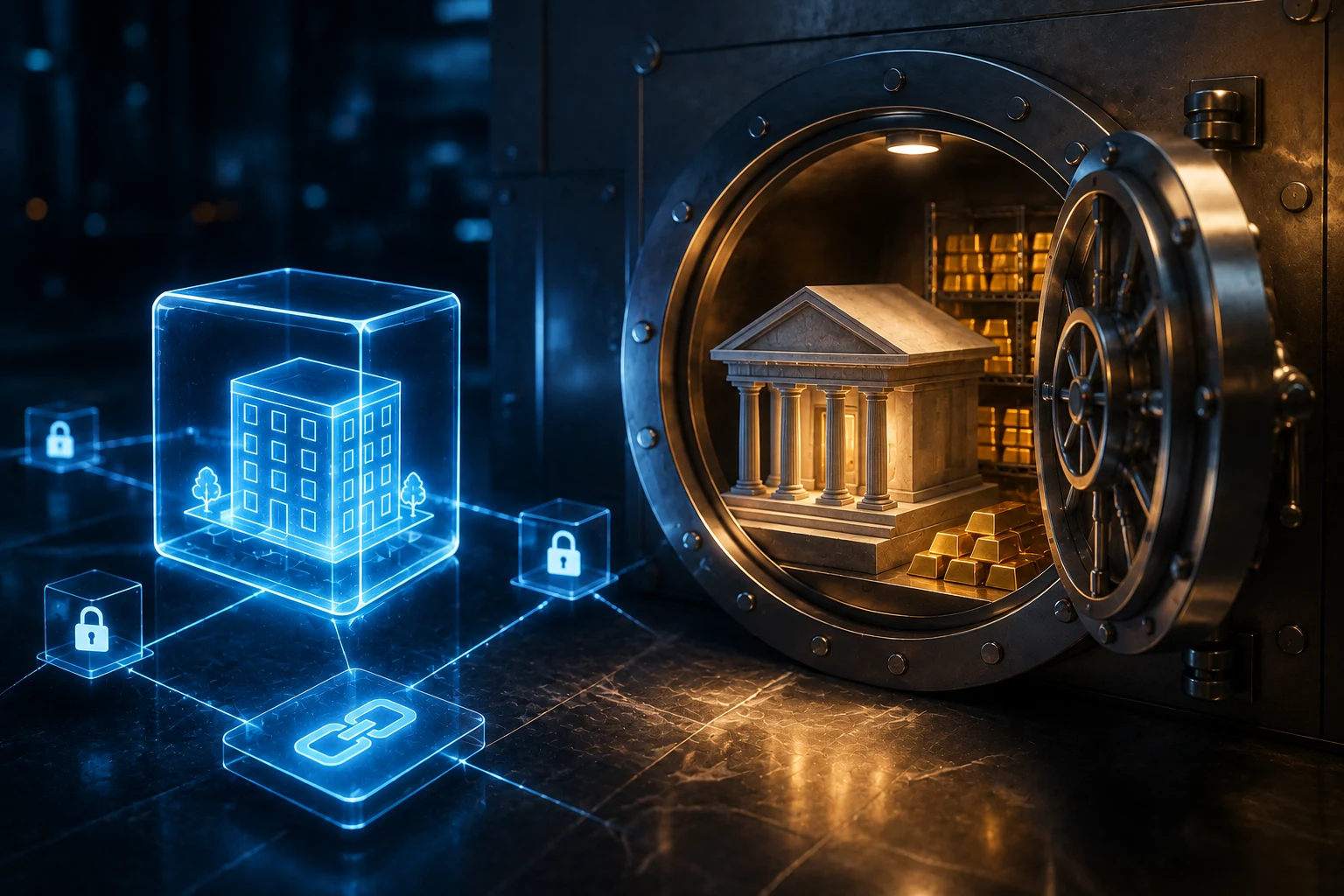
The phrase "RWA cold storage" is therefore a bit of a misnomer. Real-world assets are not stored in a crypto cold wallet in any meaningful sense. They sit in a custody account at a bank or qualified custodian, just like shares of a traditional money-market fund. What is "cold" or "on-chain" is the registry that records who owns which slice.
What can actually go wrong: the real risks of RWA custody
The risks in tokenized real-world assets are not the risks people expect. They are not "someone hacks the blockchain." They are legal, operational, and counterparty risks that look almost identical to the risks in traditional fund management.
First, there is the issuer default risk. If the issuer of OUSG, BUIDL, or similar products runs into trouble, your claim is only as good as the legal wrapper around the fund. Holders have historically had limited recourse in stress events, and recovery depends on the bankruptcy-remote structure of the underlying SPV, a special-purpose vehicle ring-fenced from the issuer's other liabilities.
Second, there is the custodian failure risk. Even when an issuer uses a reputable qualified custodian, that custodian is a regulated entity that can fail, be sanctioned, or freeze withdrawals. Examples include the 2023 crypto-banking stresses that briefly restricted minting and redemption for several tokenized products, showing that tokenization does not exempt a fund from banking-system plumbing.
Third, there is the smart-contract and registry risk. While the cash and securities sit off-chain, the on-chain registry can have bugs, upgrade keys, or admin powers that allow the issuer to mint, burn, or freeze balances. A tokenized Treasury fund is only as decentralized as its governance allows.
Fourth, there is the redemption risk. Even when everything works, converting a tokenized Treasury back to USD depends on the issuer or its agents being willing and able to redeem. Off-hours, weekends, and banking holidays can all delay settlement, which is a real difference from holding actual USD in a bank account.
Three custody models, and what each one actually protects
When people compare RWA custody options, they are usually comparing three very different things. They protect different layers, and confusing them is one of the most common mistakes retail investors make.
Multisig self-custody
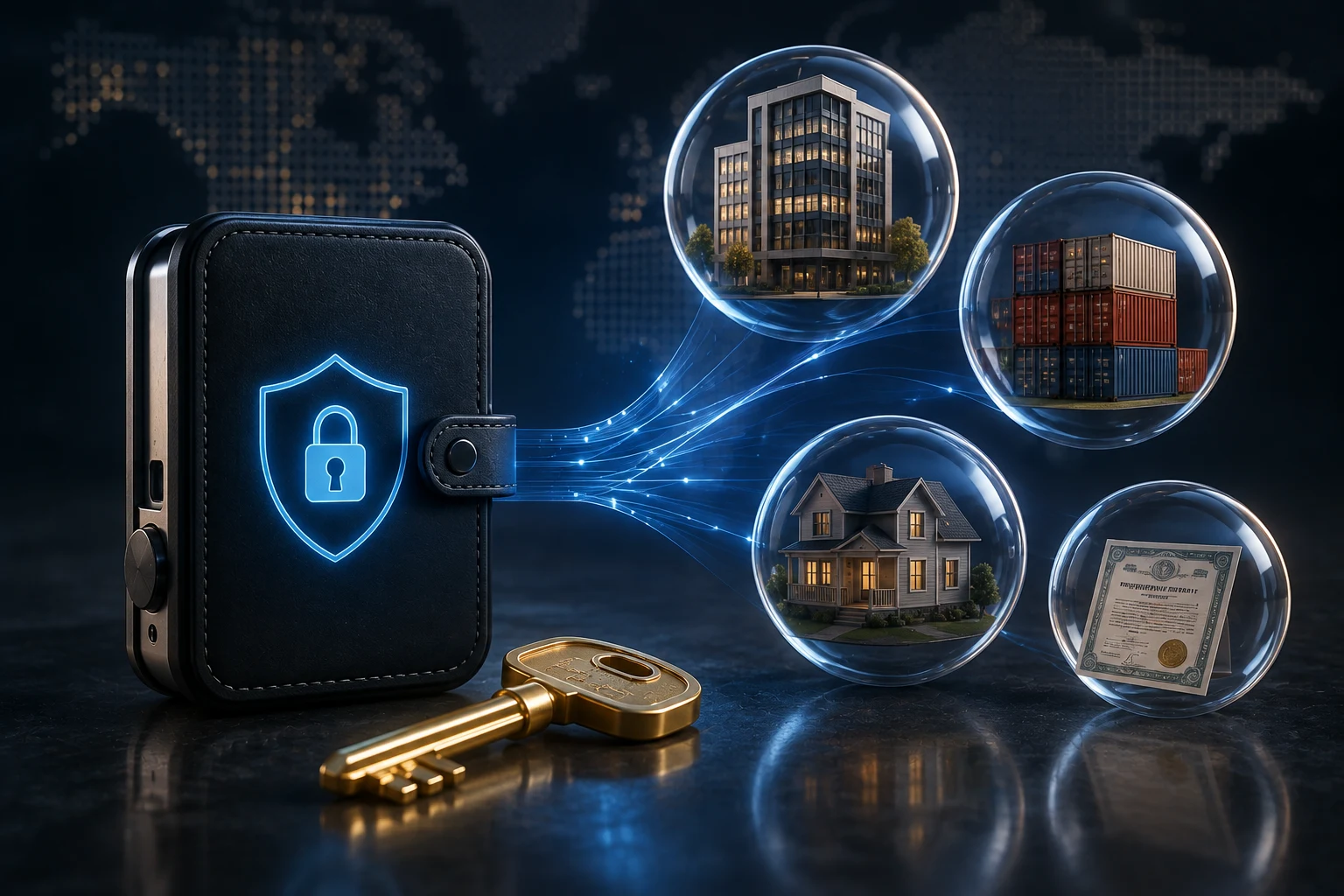
A multisig wallet is a smart contract that requires multiple private-key signatures to move funds. In RWA contexts, this usually means the issuer's operational treasury, such as reserves backing a stablecoin or a tokenized fund's float, is held in a wallet controlled by several signers.
What it protects: it protects against a single key being compromised and against insider theft at the issuer level. It is a useful guardrail for on-chain reserves and operational float.
What it does not protect: it does not custody the underlying real-world asset. A multisig controlling ETH or stablecoins is not the same as a Treasury bill held in a Federal Reserve-eligible custody account. The asset class matters: a multisig is appropriate for crypto-native reserves, and it is irrelevant to the off-chain Treasury holdings of a tokenized fund.
Qualified custodian and digital-asset custodian
A qualified custodian is a regulated entity, usually a bank, trust company, or broker-dealer, that holds client assets in segregated accounts and is subject to specific regulatory oversight. A digital-asset custodian is the same idea, but it specializes in holding private keys and crypto balances rather than traditional securities.
What it protects: it provides regulated segregation of assets, audited controls, and statutory frameworks such as the Securities and Exchange Commission's Custody Rule for traditional assets or state trust-company regimes for digital assets. For tokenized Treasuries, this is where the actual cash and securities sit.
What it does not protect: it does not protect the on-chain token if the issuer's smart contracts or admin keys are misused. It also does not protect investors from the issuer's other liabilities, which is why issuers layer an SPV on top.
Bankruptcy-remote SPV with transfer agent and DTC membership
Many tokenized Treasury products wrap their holdings in a bankruptcy-remote SPV, which is a special-purpose vehicle whose structure is designed so that if the parent issuer goes bankrupt, creditors of the parent cannot reach the SPV's assets. The SPV often uses a transfer agent, an entity that maintains the official ownership ledger of a security, and may have DTC membership, meaning it can settle via the Depository Trust Company, the central securities depository in the U.S.
What it protects: it protects the underlying assets from the issuer's other creditors and provides clean legal separation. If the issuer is hacked, sued, or enters bankruptcy, the SPV's holdings are, in principle, out of reach.
What it does not protect: it does not change who holds the cash. The SPV still needs a custodian or bank account. Bankruptcy-remoteness is custody-neutral: it is a legal structure layered on top of whatever custody arrangement is used.
How named products actually sit this together
Looking at named examples makes the plumbing concrete, and it shows that the model is converging around the same building blocks.
Ondo Finance and OUSG
Ondo's OUSG token is structured as a claim on a fund that holds short-duration U.S. Treasuries. The underlying securities sit at a qualified custodian, and Ondo uses an SPV structure to ring-fence the assets. The OUSG token itself is a receivables claim, not a security held in your wallet, and redemption depends on the issuer's ability to process it through the off-chain rails.
Securitize and BUIDL
Securitize issues tokenized products including BUIDL, BlackRock's tokenized Treasury fund. The fund is structured through traditional financial vehicles with a qualified custodian and transfer agent. The token is a digital representation of fund ownership recorded on a blockchain, and the actual securities are held off-chain in the same way as a normal institutional money-market fund.
Other institutional products (CC, JTRSY, JAAA)
Products from issuers such as Circle's CC and JPMorgan's JTRSY and JAAA follow the same general pattern. The token is a registry entry, the underlying sits with qualified custodians and transfer agents, and the on-chain layer exists to make transfer and reporting faster, not to replace custody.
Mountain Protocol and emerging on-chain-custodian models
Mountain Protocol and a handful of newer issuers are experimenting with models where the on-chain component is closer to the asset itself, sometimes by holding reserves in a mix of bank accounts and on-chain instruments, and sometimes by partnering with digital-asset custodians that specialize in tokenized securities. These models are still developing and carry more idiosyncratic risk than the established institutional structures.
Why the on-chain wallet is usually just a registry pointer
A useful mental model is to think of the on-chain token as a barcode on a box, not as the box itself. The barcode tells you who owns the box, where it sits, and how to look it up. The box, in the case of a tokenized Treasury, sits in a custody account at a major financial institution.
This matters for a practical reason: losing your seed phrase can still lock you out of the tokenized asset, even though the underlying sits with a custodian. The custodian does not know who you are. The issuer or transfer agent only knows what the on-chain registry tells them. If you lose the keys, you lose the ability to prove ownership and to redeem.
It also matters for understanding redemption. When you redeem OUSG or BUIDL for USD, you are not "sending the wallet contents" to a bank. You are presenting your tokenized claim to the issuer or transfer agent and asking them to settle via the off-chain rails. The blockchain transaction is essentially a notification, not a transfer of value.
How to read RWA custody claims critically
Marketing language around RWA custody is often vague on purpose. When a product claims to be "fully backed," "institutional grade," or "self-custodied," it is worth asking three questions.
First, who is the qualified custodian or bank, and what regulatory framework do they operate under? Look for specific names and specific licenses. Vague language about "regulated partners" is a red flag.
Second, is the issuer wrapped in a bankruptcy-remote SPV, and what does the legal opinion say? A real bankruptcy-remote structure will have a legal opinion from a credible law firm. A diagram on a website is not enough.
Third, what are the on-chain admin keys and upgrade powers, and who controls them? If a single multisig can mint or freeze balances at will, the decentralization story is weaker than the marketing suggests.
None of this means tokenized RWAs are bad. They are a useful innovation, and the plumbing is improving. It just means treating them with the same skepticism you would apply to a traditional money-market fund prospectus, because at the asset-holding level, that is what they are.
Follow the custody story the smart way
RWA custody debates move quickly, and the named custodians, transfer agents, and SPV structures change as the market matures. Tracking which issuer uses which custodian, and how on-chain admin powers evolve, is hard to do manually. Zippfeed surfaces tokenized-asset headlines with sentiment scoring (bullish, neutral, or bearish) and an importance rating, so you can see which custody shifts actually matter and which are noise.





 CoinDesk
 TheBlock