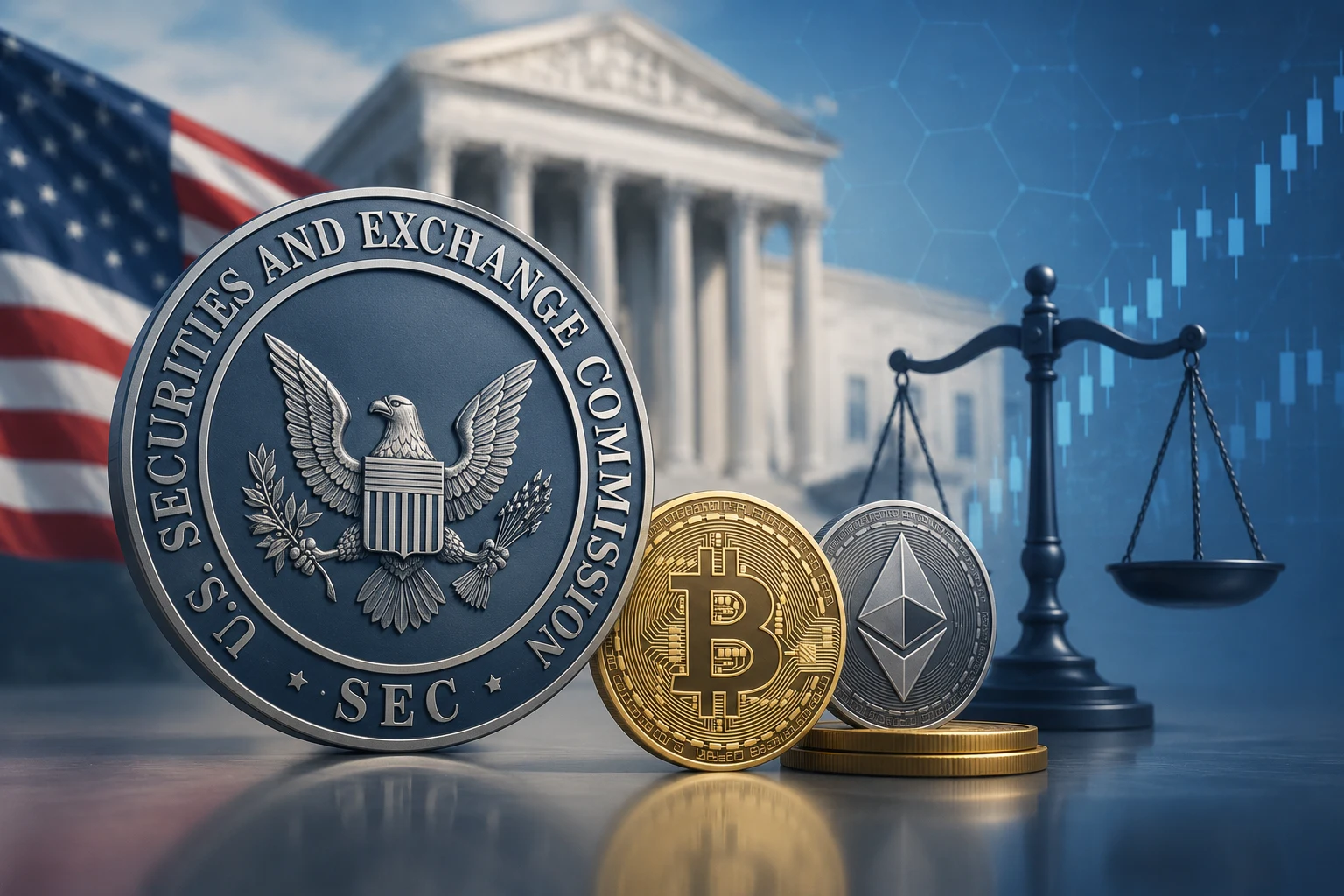
Why regulation sits at the center of crypto's future
Crypto was born partly from a desire to operate outside traditional financial gatekeepers. But as the industry grew to involve enormous sums and millions of ordinary people, regulators stepped in — and in the United States, no agency looms larger over crypto than the Securities and Exchange Commission. Understanding the SEC's role is essential to understanding why certain assets are available in some places and not others, why projects fight so hard over labels, and why a single ruling can move markets.
This is an educational overview, not legal advice. Regulation is complex, jurisdiction-specific, and constantly evolving.
What the SEC does and why it cares about crypto
The SEC (Securities and Exchange Commission) is the U.S. regulator responsible for overseeing securities markets and protecting investors. Securities — like stocks and bonds — come with strict rules: registration, disclosure, and investor protections designed to ensure fair, transparent markets.
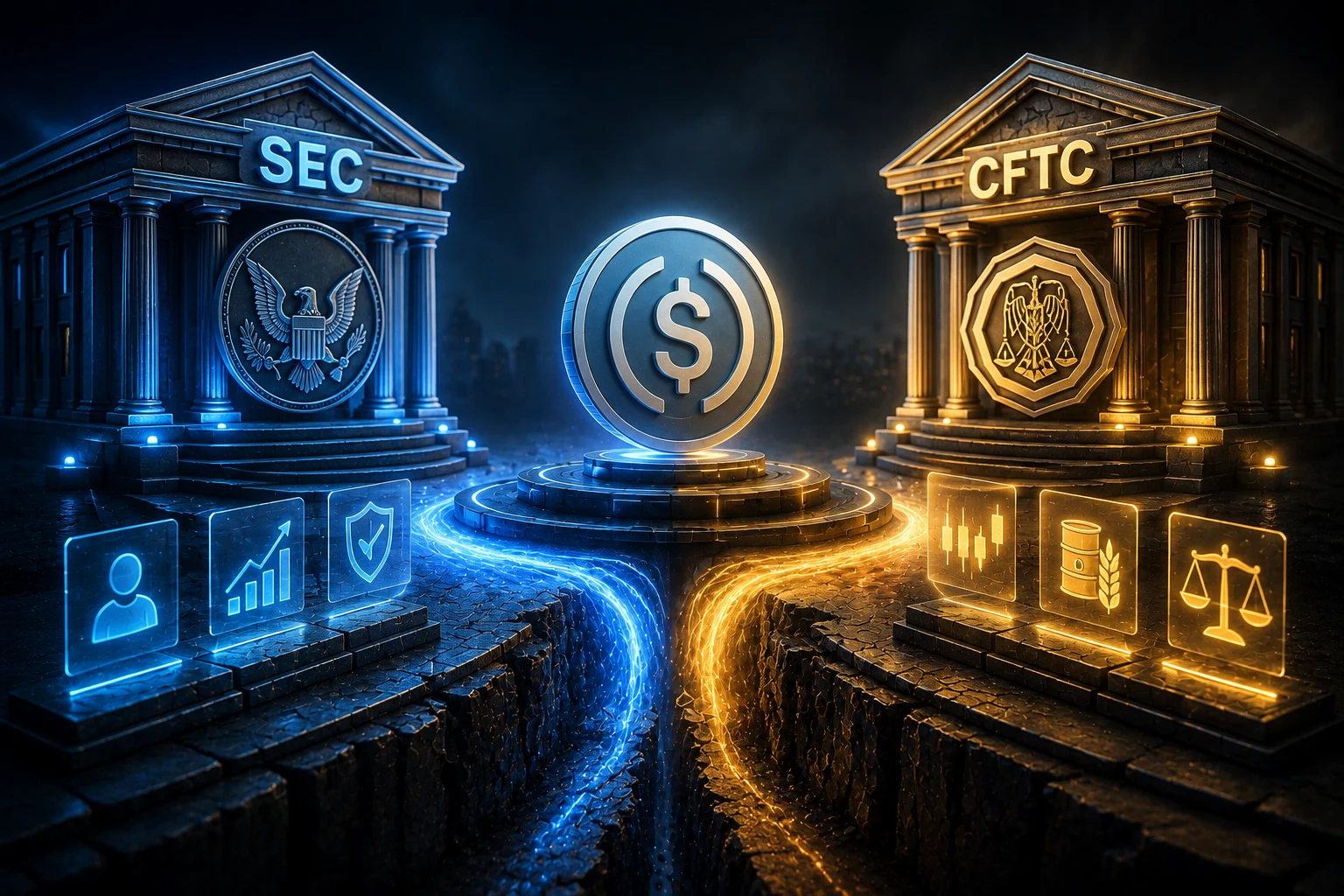
The SEC's core interest in crypto comes down to one pivotal question: is a given crypto asset a "security"? If it is, then under U.S. law it is subject to the SEC's extensive regulatory requirements. If it is not, it falls outside that framework (though possibly under another regulator). This classification question
drives much of the conflict and uncertainty in U.S. crypto.
The "is it a security?" question and the Howey test
How does anyone decide whether a token is a security? The main tool is a decades-old legal framework called the Howey test, derived from a U.S. Supreme Court case. In simplified terms, it asks whether there is an investment of money in a common enterprise with an expectation of profit derived primarily from the efforts of others.
Applying this old test to novel crypto assets is genuinely difficult, and reasonable people — and lawyers — disagree:
- Bitcoin is widely regarded as not a security, often likened to a commodity, partly because it is sufficiently decentralized with no central party whose efforts drive profits.
- Many other tokens are more contested. If a token was sold to raise money for a project run by an identifiable team whose work is expected to increase its value, regulators may view it as a security.
- The line is blurry, and how it is drawn has massive consequences for projects, exchanges, and investors.
This is also why the distinction between a utility token, a governance token, and a security is not just academic — it can determine which laws apply.
Why SEC decisions matter so much
The SEC's actions ripple across the entire market:
- Enforcement actions against projects or exchanges can affect whether and how assets are offered to U.S. users.
- Approvals, such as the path that opened Bitcoin ETFs, can bring major new products and institutional money into the market.
- Legal rulings in SEC cases set precedents that shape how the rules apply to everyone.
- Regulatory clarity (or its absence) influences where companies build and whether they serve U.S. customers at all.
For investors, this means regulation is not background noise — it is a core driver of which assets are accessible, how exchanges operate, and sometimes of price itself.
The bigger picture: an evolving landscape
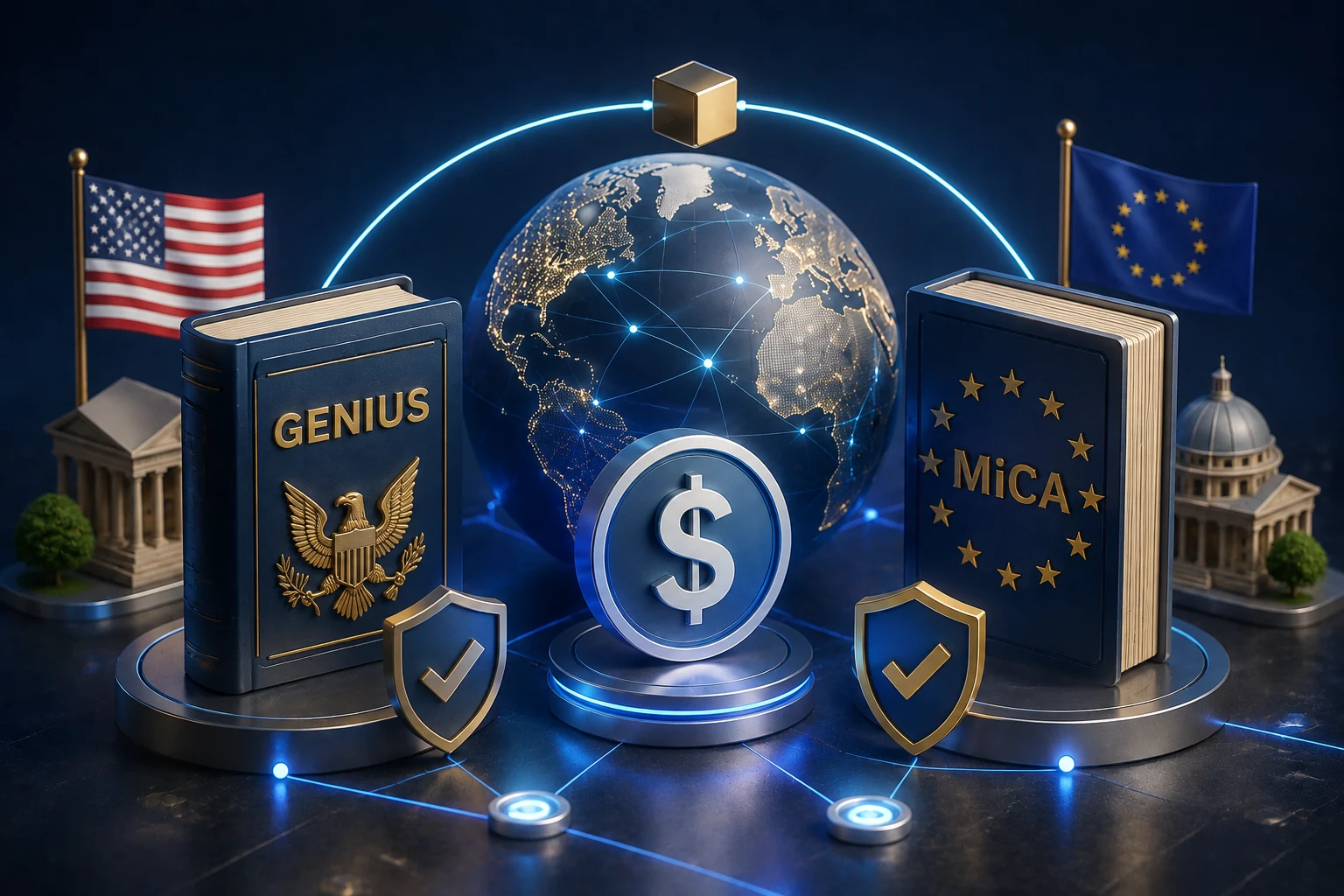
U.S. crypto regulation has been characterized by ongoing debate, legal battles, and calls for clearer rules specifically designed for digital assets rather than retrofitted from older law. The situation continues to evolve, with the roles of different agencies, potential new legislation, and major court decisions all in flux. The European approach, covered in what is MiCA, offers an instructive contrast — a comprehensive framework built specifically for crypto.
The honest summary for anyone in crypto: regulation is a major, unresolved force, the rules can change meaningfully and quickly, and what is permitted in one jurisdiction may be restricted in another.
Track regulation as it moves
Regulatory developments can reshape the market overnight — and the implications of a ruling or enforcement action are often unclear at first. Zippfeed tracks crypto regulatory headlines with sentiment
and importance scoring, so you can follow significant SEC actions, court rulings, and policy shifts as they happen and gauge how the market is interpreting them, rather than being blindsided by changes that affect your assets.