A private key in one sentence
A private key is a randomly generated, very large number — typically 256 bits — that the wallet uses to sign transactions on a blockchain. The accompanying public key is derived from it, and your on-chain address is derived from the public key. The whole system is built so that signing proves ownership without ever exposing the key itself.
If you have a mental model where wallet addresses are like account numbers, a private key is more like the master signature stamp that only you can press. Anyone can copy the account number; nobody else can press the stamp.
The key pair: how public and private work together
Crypto wallets use a branch of mathematics called elliptic curve cryptography. The shape that matters here is asymmetric — easy to derive a public key from a private one, but practically impossible to go in the other direction with any computer that exists.
From private to public to address
It runs in one direction. The wallet generates a private key (a random 256-bit number). It multiplies that by a fixed curve point to get a public key. It then hashes the public key to get the address you see in your wallet. Each step is computationally trivial forward. Each step is computationally impossible backward at any reasonable cost.
Signatures: proving ownership without telling
To send funds you sign the transaction with the private key. The signature is a short string of numbers that anyone on the network can verify against the public key. Verifying that signature does not require knowing the private key — that is the whole magic. So you can spend coins thousands of times without ever leaking the key.
Why the asymmetry matters
The asymmetry is the security property the whole system rests on. If someone could derive a private key from a public key or an address, every wallet on earth would be empty. They cannot — given current mathematics and the heat death of the universe. This is not a feature wallet developers add; it is a property of the underlying cryptography.
What does a private key actually look like
Most users never see one. Modern wallets generate them, store them, and use them invisibly behind the scenes. But if you ever need to interact with one directly, here is what to expect.
In raw form, a private key is just a 256-bit number, often written as 64 hexadecimal characters. Bitcoin and many other chains use a more user-friendly encoding called WIF (Wallet Import Format), which adds error checking and a prefix so the wallet can detect the network at a glance. Ethereum uses plain hex with a 0x prefix.
Either way, the number is opaque-looking. There is no useful structure for a human to read. If you ever see something that calls itself a private key but is just a couple of words, it is either a misnamed passphrase or, more likely, a scam.
Private keys vs seed phrases vs wallets
These three terms overlap a lot in everyday talk. They mean different things in the system itself.
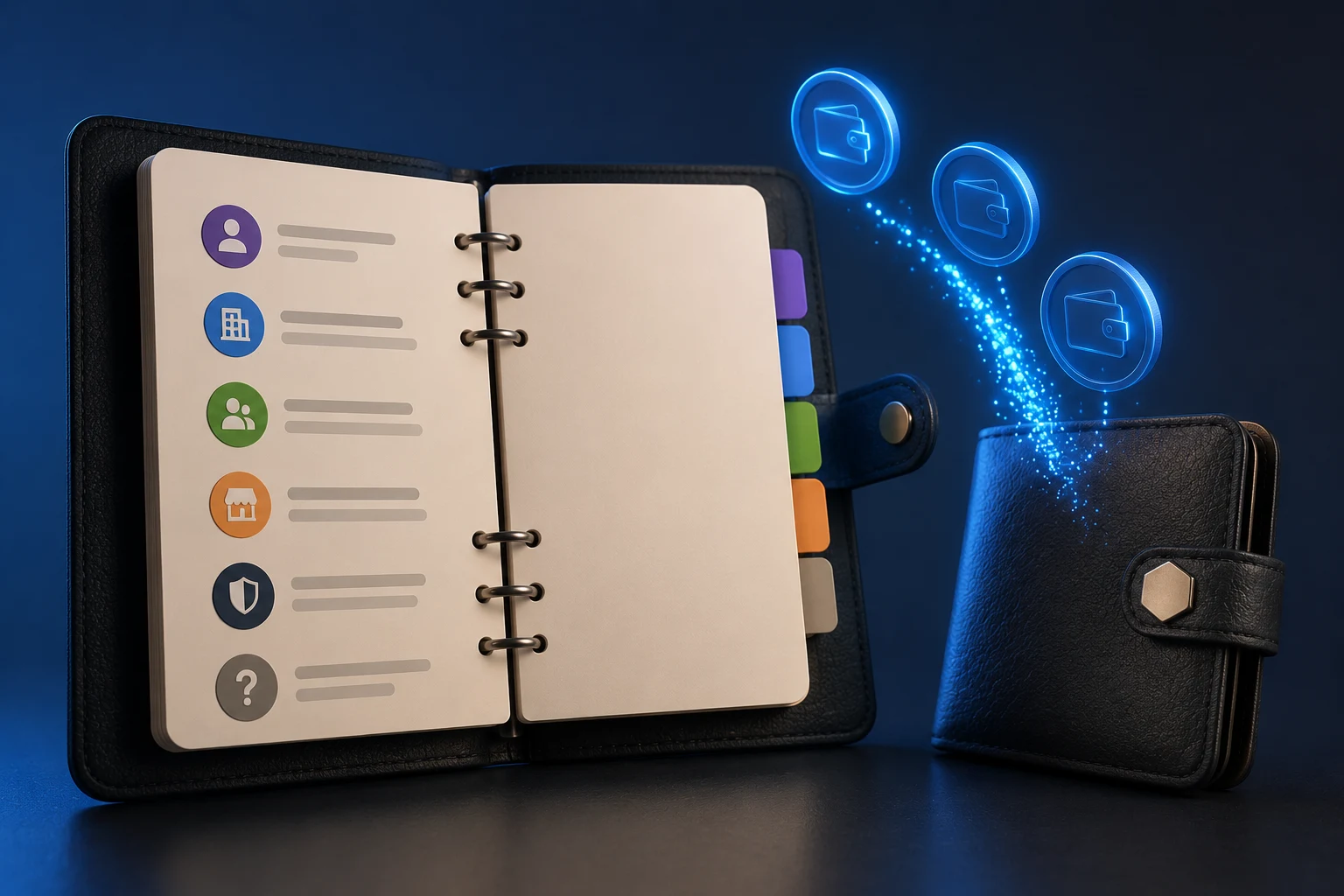
A wallet is a piece of software (or hardware) that manages keys, addresses and the user interface around them. The wallet itself does not hold the coins — the blockchain does — but it holds the keys that authorise spending them.
A private key is the secret behind a single address. One key, one address.
A seed phrase is the human-readable backup of many keys at once. From one seed phrase a wallet can deterministically derive thousands of private keys, each for a different address, each fully independent. This is why a single seed phrase backs up your entire wallet. We go deeper into seeds in our what is a seed phrase guide.
So in practice, you usually do not handle a private key directly. You handle the seed phrase, which is the master. The wallet does the key generation for you. The private key is the technical detail underneath.
Why private keys must be secret
This section seems obvious but is the source of most beginner losses, so it is worth being precise.
Anyone who has the private key can sign transactions from that address. The blockchain has no concept of you, the human — it only checks the signature. So the moment someone else has the key, that address is theirs as much as yours. They can move every coin, drain every position, and you have no way to stop it.
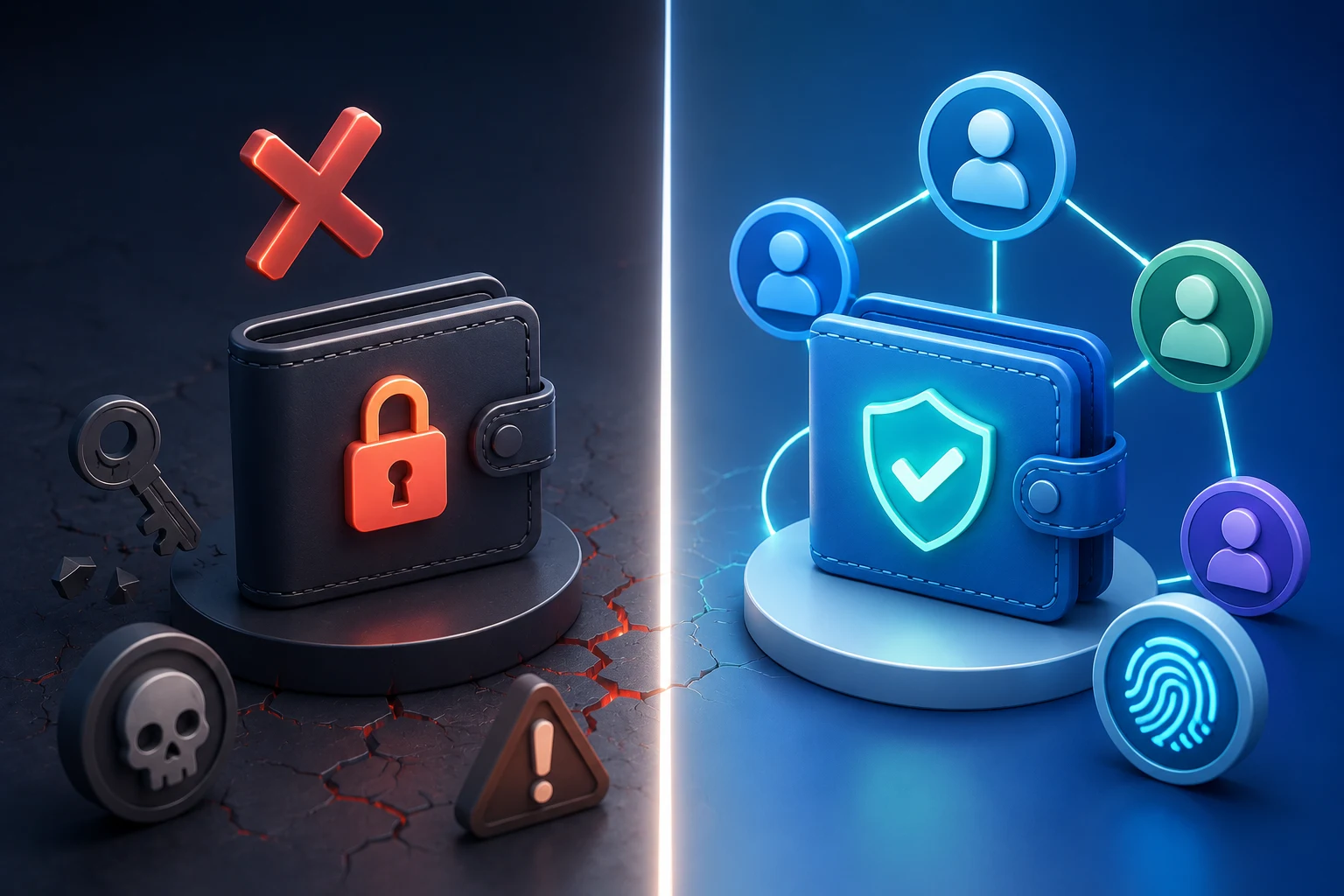
There is no override. No support team to call. No company that can freeze the address. The blockchain enforces the rules mechanically, and the rule is whoever signs, owns. This is the single most important property of self-custody crypto and the source of the cliché not your keys, not your coins.
Custodial vs self-custody: who holds the key
The biggest practical choice for any holder is who actually controls the private key.
Custodial (exchanges, brokers, fintech apps)
The platform holds the key; you have an account with the platform. They show you a balance, but technically you have a claim against them, not direct ownership on the chain. The advantages are convenience: support staff if you lose your password, fiat on-ramps, account recovery. The disadvantage is that you are trusting the platform with the actual keys. If they collapse, freeze withdrawals, or get hacked, your funds can be lost or locked. Several large exchanges have failed for exactly this reason.
Self-custody (software and hardware wallets)
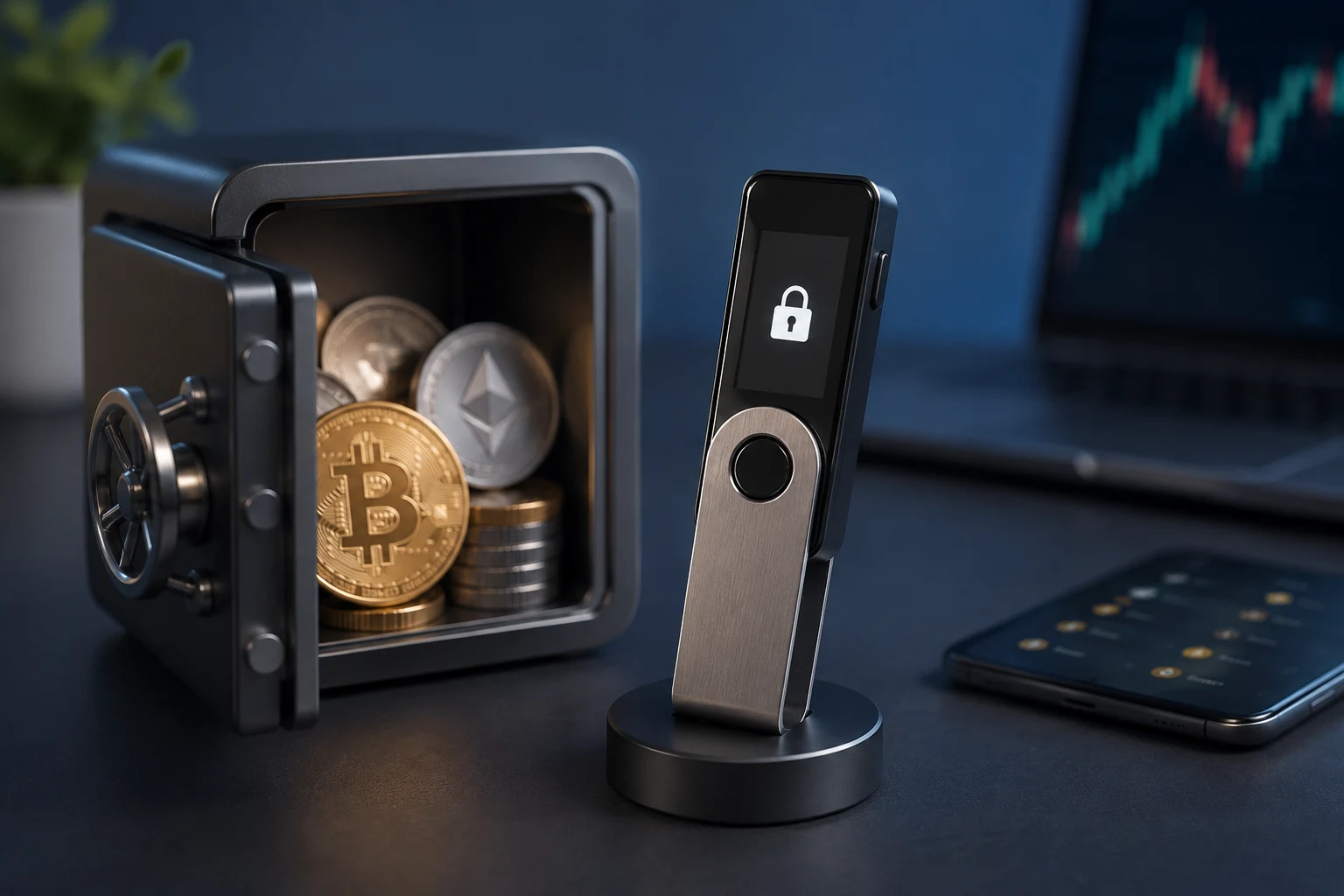
You hold the key directly. The wallet generates and stores it, usually derived from a seed phrase you back up yourself. You can transact with any application on any chain without anyone else's permission. The disadvantage is that you alone are responsible. A lost seed phrase, a phishing site, a malicious signature — all are irreversible. The trade-off is full control for full responsibility.
Many people use both: a small balance on an exchange for convenience, the rest in self-custody. The right split depends on how much is at stake.
How private keys can leak — and how to prevent it
Every catastrophe of self-custody falls into a small number of patterns. Knowing them is most of the defence.
Pasting the key (or the seed) into a website. Real wallets never ask for a private key in a website form, popup, or support chat. Anyone who does is stealing it. There is no exception.
Storing the key in cloud-synced files or notes. A private key in iCloud Notes, Google Keep, Dropbox, or your email is one account compromise away from gone.
Malicious browser extensions. Some pretend to be wallet helpers, then quietly read keys from real wallets or trick you into signing a draining transaction. Install extensions sparingly, from official stores, and check what they ask for.
Clipboard hijackers. Malware on your computer can swap a copied address for the attacker's just before you paste. Always verify the first and last several characters of any pasted address.
Signature phishing. Even without the key, an attacker can trick you into signing a transaction that gives them control of your funds — for instance, an unlimited token approval. The cure is to read what you are signing, especially on connected dApps.
What to do if a key is compromised
If you suspect a private key has leaked, act in this order. Speed matters more than caution.
- Generate a new wallet on a clean device with a fresh seed phrase, written down on paper.
- Move every asset out of the compromised address as fast as possible — even gas-heavy tokens, even small balances, even things you forgot about. Drainers automate everything.
- Revoke every token approval the compromised address ever gave. Most chains have a public revocation tool; use it.
- Stop using the compromised address. Do not deposit anything else there to test if you cleaned it. The key never gets safer.
If the compromise happened on the device itself (malware), assume the same device cannot be trusted to generate the new wallet. Use a different machine, ideally a freshly imaged or hardware-based one.
The realistic mental model for normal users
You will probably never see your private key directly. What you should understand:
- Every address you own corresponds to a private key. You may never see it; the wallet manages it.
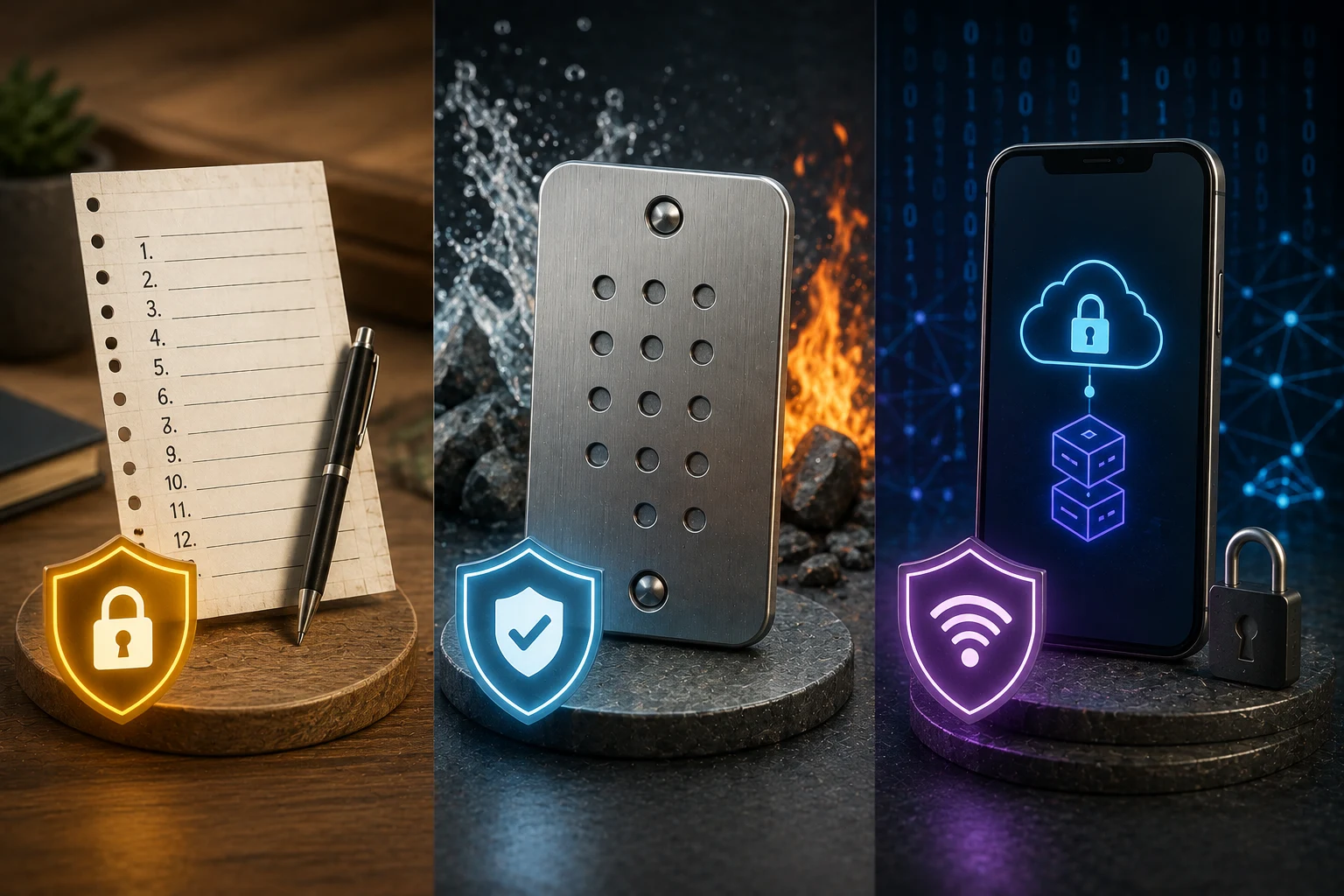
- Your seed phrase is the backup of every key your wallet will generate. Protect it like the keys themselves.
- Anyone who has the key — or the seed phrase, or a wallet device that is unlocked — has the funds. There is no remote override.
- Custodial exchanges hold keys on your behalf. That trade-off is real and not inherently wrong, but understand it before you size positions.
Staying current as attack patterns evolve
The list of ways a private key can leak is not static. New phishing tricks, new browser-extension scams, new fake hardware-wallet vendors — they appear constantly. Zippfeed surfaces wallet-security headlines with a sentiment score (bullish, neutral or bearish) and an importance rating, so a real new attack pattern reaches you before it reaches your wallet. This is education, not financial advice — but the holders who stay un-drained are the ones who notice when the threat model changes.