


 CoinDesk
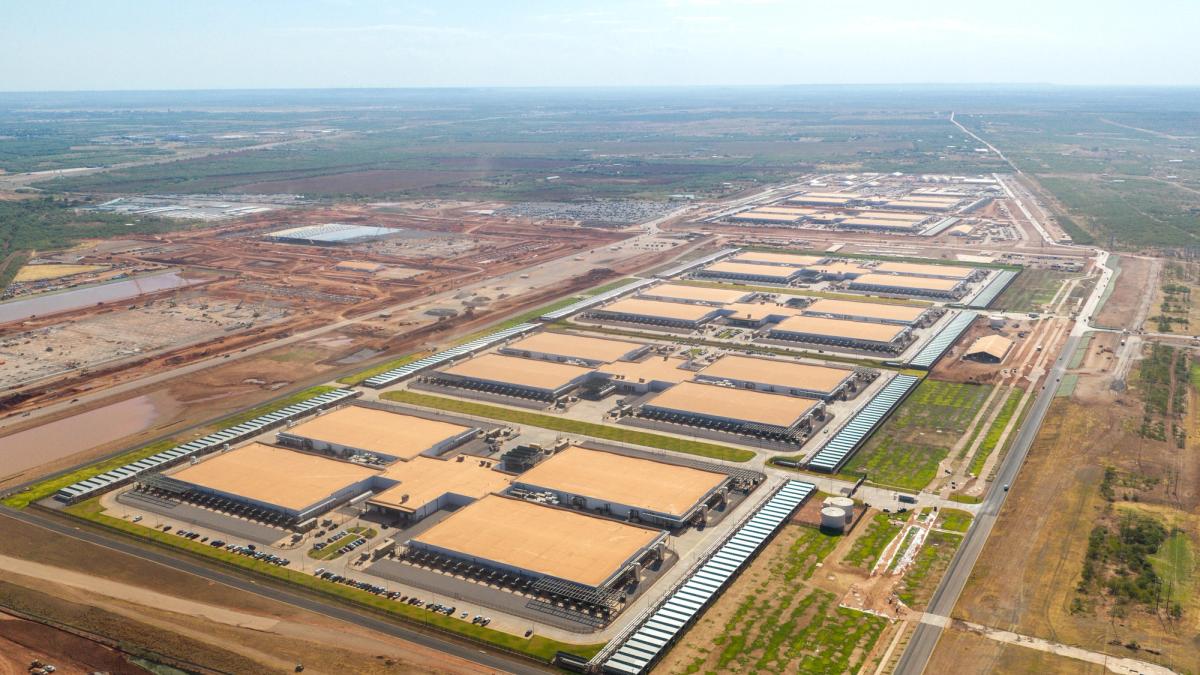


Bernstein cut price targets on seven Bitcoin miners by as much as 54%, citing tighter financing and uncertainty over Texas data center development. The shift follows Democrat Gina Hinojosa's surprise gubernatorial win over Greg Abbott. Hinojosa wants to pause new data center approvals until the state adopts rules addressing electricity bills and water costs.
Why it matters
Texas accounts for roughly 25% of planned U.S. data center capacity, and more than half of the power capacity held or planned by the miners-turned-AI developers Bernstein covers is in the state. Goldman Sachs estimates states likely to tighten data center rules represent about 45% of planned U.S. capacity. The concern is not that construction will stop, but that approvals could take longer and projects could cost more.
Bitcoin miners have been converting access to power and industrial sites into AI hosting businesses. A prolonged pause or tougher grid rules could complicate plans that depend on future connections. Miners with power already secured may be better positioned if new capacity becomes harder to approve.
Market impact
Bernstein lowered its targets for Cipher Mining to $15 from $23, IREN to $55 from $100, TeraWulf to $20 from $36, Riot to $18 from $35, and MARA to $10 from $17. It also reduced targets for two other miners, but the figures were not specified in the report. Bernstein now values AI colocation businesses at 12x projected one-year-forward EBITDA on CY30E EBITDA, reflecting a lower valuation for expected AI hosting earnings.
Morgan Stanley also distinguished between projects already underway and those still awaiting approval. Riot's existing grid connections at Corsicana and Rockdale could be valuable, while its plans for additional capacity at those sites may face obstacles. The key divide for miners is whether they can capture AI spending with operating sites, approved power and signed hosting contracts, or whether their plans rely on connections that could be delayed.

Frequently asked questions
-
Why did Bernstein cut its Bitcoin miner price targets?
Bernstein cited tighter financing conditions and uncertainty over Texas data center development, which could affect miners' AI-hosting businesses.
-
How significant is Texas to planned U.S. data center capacity?
Texas accounts for roughly 25% of planned U.S. data center capacity. Goldman Sachs estimates states likely to tighten rules represent about 45%.
-
Which miners could benefit from tougher data center approvals?
Miners with power capacity already secured could be better positioned if new restrictions make grid connections harder to obtain.
-
What targets did Bernstein set for the named miners?
Bernstein cut Cipher Mining to $15 from $23, IREN to $55 from $100, TeraWulf to $20 from $36, Riot to $18 from $35, and MARA to $10 from $17.
-
What is the main risk for miners pursuing AI hosting?
Companies relying on future grid connections could face approval delays, while miners with operating sites, approved power and signed hosting contracts may have an advantage.
 WuBlockchain
 CryptoSlate
 CoinTelegraph
 TheBlock