What problem are MPC and multisig actually trying to solve?
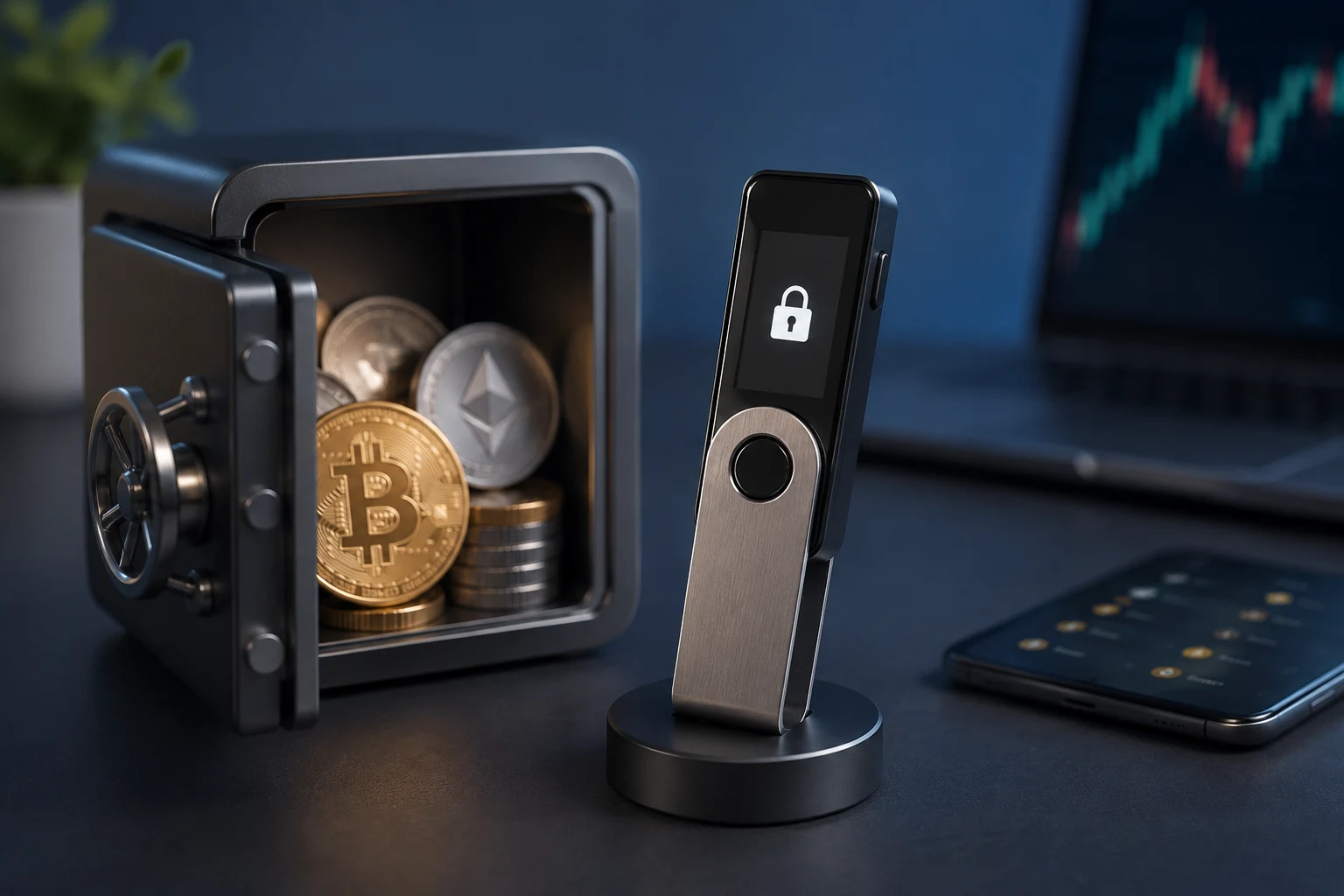
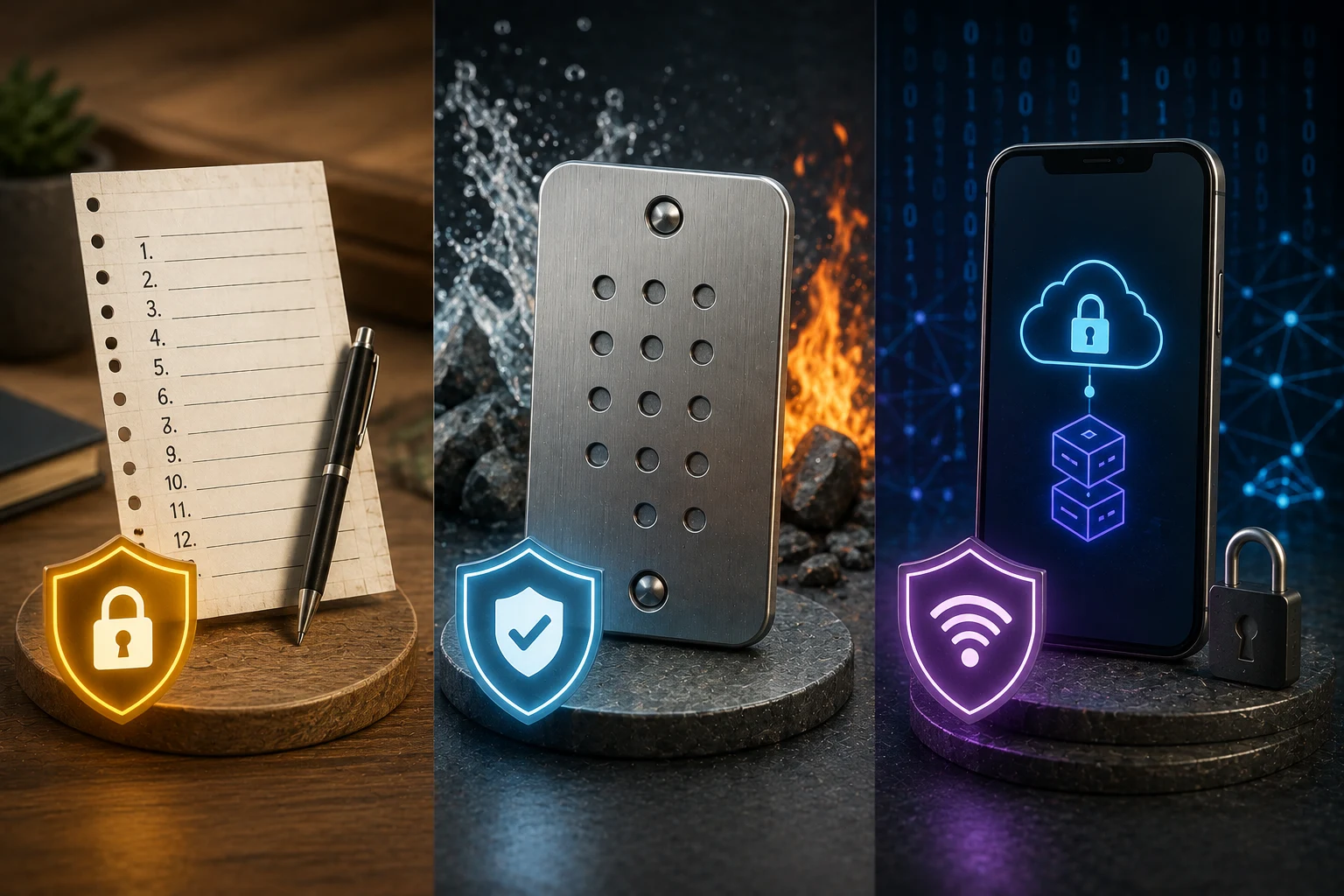
Theft and loss are, by a wide margin, the dominant causes of crypto losses. Self-custody means you alone hold the key, and a single key means a single point of failure. Lose the seed phrase to a fire, a phishing page, or a memory lapse and the coins are gone. Get the key stolen through a compromised device and the same outcome applies, only faster.
Both MPC and multisig are answers to the same question: how do you require more than one party, or more than one device, to move funds, so that no single compromise or mistake is fatal? They get there in opposite ways, which is why the trade-off matters.
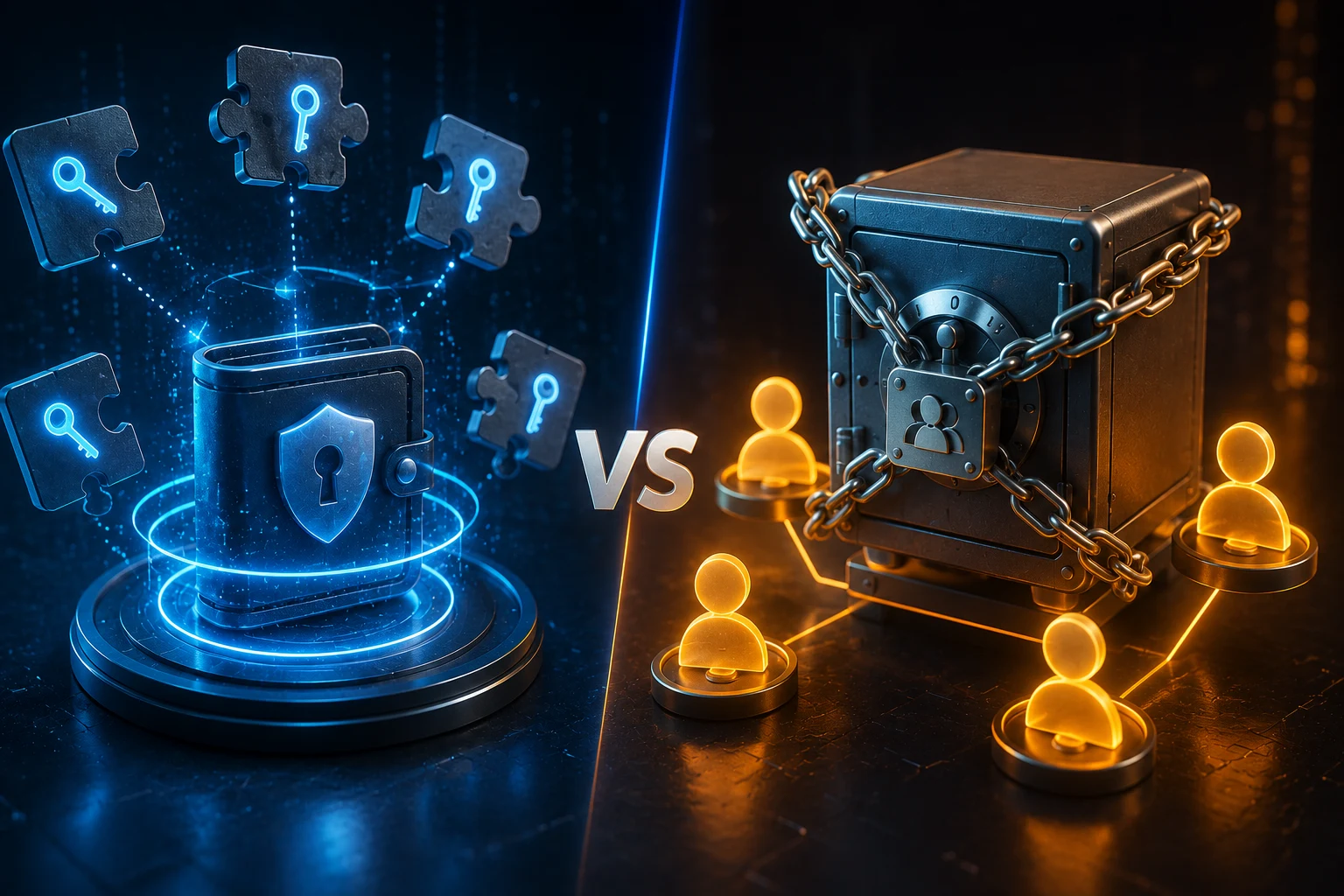
Multisig uses several independent on-chain keys, and the blockchain itself enforces that a quorum of them must sign before funds move. MPC uses one logical key that is mathematically split into shares, and the shares cooperatively produce a single signature without ever coming together. Both remove the single-key problem, but they put the trust in different places.
What is multisig, and why is it the original answer?
Multisig, short for multi-signature, is a spending rule written into a contract or script on the blockchain. A 2-of-3 setup, for example, means three independent private keys exist, and any two of them must sign before the network will accept a transaction. Common implementations include Bitcoin's P2SH and P2WSH scripts, and Ethereum's Gnosis Safe contract.
The defining feature is that the rule is public. Anyone can read the contract, see the signer policy, and independently verify how many signatures a transaction gathered before it landed on-chain. There is no secret ceremony. The keys, the policy, and the history are all visible to auditors, explorers, and adversaries alike.
This transparency is multisig's biggest strength. It is also the source of its rigidity. Changing the signer set means deploying a new contract and migrating funds, which costs gas and introduces a window of risk. Fee logic is also on-chain, so per-signature costs can add up on networks with volatile gas markets. For institutions and DAOs that value auditability, those costs are usually worth paying.
What is an MPC wallet, and how does it actually work?
MPC, or multi-party computation, is a branch of cryptography that lets multiple parties compute a function together while keeping their inputs private. In a wallet context, the function is producing a valid signature, and the private inputs are the key shares. The output is a single normal signature that the blockchain accepts as if it had come from one key.
Modern wallet MPC is built on threshold signature schemes, most commonly GG20 and the newer FROST family. In a 2-of-3 setup, three shares are generated during a key-generation ceremony, and any two of them can jointly produce a signature. Crucially, the full private key is never reconstructed at any point, not during generation, not during signing, and not during backup. Each share lives on a separate device, server, or with a separate party.
From the blockchain's perspective, an MPC wallet looks like a regular single-signature wallet. There is no on-chain policy visible, no special contract, and no extra fees beyond a normal transaction. This is why MPC is popular for exchanges, custodians, and consumer apps that want smart-key flows without paying for on-chain complexity.
Where does MPC put the trust? The key-ceremony question
If the full key never exists, where does the trust go? The honest answer is that it goes into the key-generation ceremony, the software that runs it, and the vendor that maintains it. During the ceremony, the device or server generating your share has to be trusted not to retain a copy. The ceremony itself is auditable in principle, but in practice most users, and many institutions, take it on faith.
This is the underestimated risk in MPC. A well-engineered MPC library running on a clean device is genuinely safer than a single private key on a phone. A poorly audited library, a supply-chain attack on the vendor, or a malicious insider at the custodian can undermine the entire scheme without ever showing a transaction anomaly on-chain. The blockchain cannot help you, because everything looks like a single-signer wallet.
Vendor lock-in is the second half of this problem. If your MPC provider uses a proprietary key-ceremony, migrating to another vendor is not as simple as exporting a seed phrase. You may need to regenerate shares, run a new ceremony, and migrate funds. Read the fine print before you commit, especially if you are a treasury team or a fintech building on top of a custody API.
Comparing the trade-offs: MPC vs multisig
For custody-curious readers, the comparison usually comes down to a handful of practical questions. Transparency versus flexibility is the headline. On-chain multisig is fully auditable by anyone, but inflexible. MPC is invisible to the chain and easy to evolve, but opaque to auditors.
Cost and performance also differ. Multisig on Ethereum requires contract execution and multiple signatures, which costs more gas per transaction. MPC produces one signature, so it pays the same fee as a normal wallet. On Bitcoin, native multisig scripts are cheap, but more complex spending conditions are not natively supported, which is one reason MPC-style approaches gained traction there too.
Recovery and key rotation are where MPC shines. If a share is suspected to be compromised, MPC supports key refresh, a protocol that produces a new set of shares for the same logical key without changing the public address. The old share becomes useless. With multisig, the same recovery typically means transferring funds to a new wallet, which is operationally heavier and visible on-chain.
What about regulatory and qualified custody?
Regulators have been catching up to both models. In the United States, the New York Department of Financial Services and the SEC's proposed custody rules have, at various points, debated whether MPC-based custody counts as qualified custody on the same footing as traditional segregated accounts. The general direction is that MPC is acceptable if the operator can demonstrate key separation, robust ceremonies, and operational controls.
Multisig held in a regulated custodian's own segregated wallets has historically been treated more straightforwardly, because the on-chain policy is self-documenting. Some regulators still prefer this kind of verifiable setup for high-value or institutional custody. If you are a fintech building a custody product, expect questions about your MPC library's provenance, audit history, and ability to recover under duress.
For individuals, the regulatory layer matters less than the operational reality. What matters is whether you can recover your funds if a device is lost, a vendor disappears, or a share is compromised.
How to choose between them in practice
If your priority is auditability and you are comfortable with operational overhead, on-chain multisig through a battle-tested contract like Gnosis Safe is hard to beat. The trade-off is gas costs, slower signer changes, and a visible on-chain history. For a DAO treasury, a family office, or a long-term cold-storage setup, this is usually the right choice.
If your priority is flexibility, fast signer changes, low fees, and a clean consumer experience, MPC is the better fit. The trade-off is that you are trusting the vendor's key-ceremony, software supply chain, and uptime. For an exchange hot wallet, a fintech app, or a user who wants social recovery without paying gas, MPC is the practical choice.
Either way, do not pick a vendor solely on the strength of its marketing. Ask who has audited the MPC library, whether the ceremonies are reproducible, what happens if the vendor goes offline, and whether you can export your share material to another provider. These are the questions that decide whether the wallet is actually safer in the worst case, not the ones on the homepage.
Read MPC vs multisig critically with the right signal
Wallet security moves fast, and so does the news around custody failures, vendor breaches, and regulatory updates. Tracking the relevant signal manually is a losing game. Zippfeed surfaces wallet and custody headlines with sentiment scoring, bullish, neutral, or bearish, and an importance rating, so you can separate real risks from noise before you decide where to store your funds.