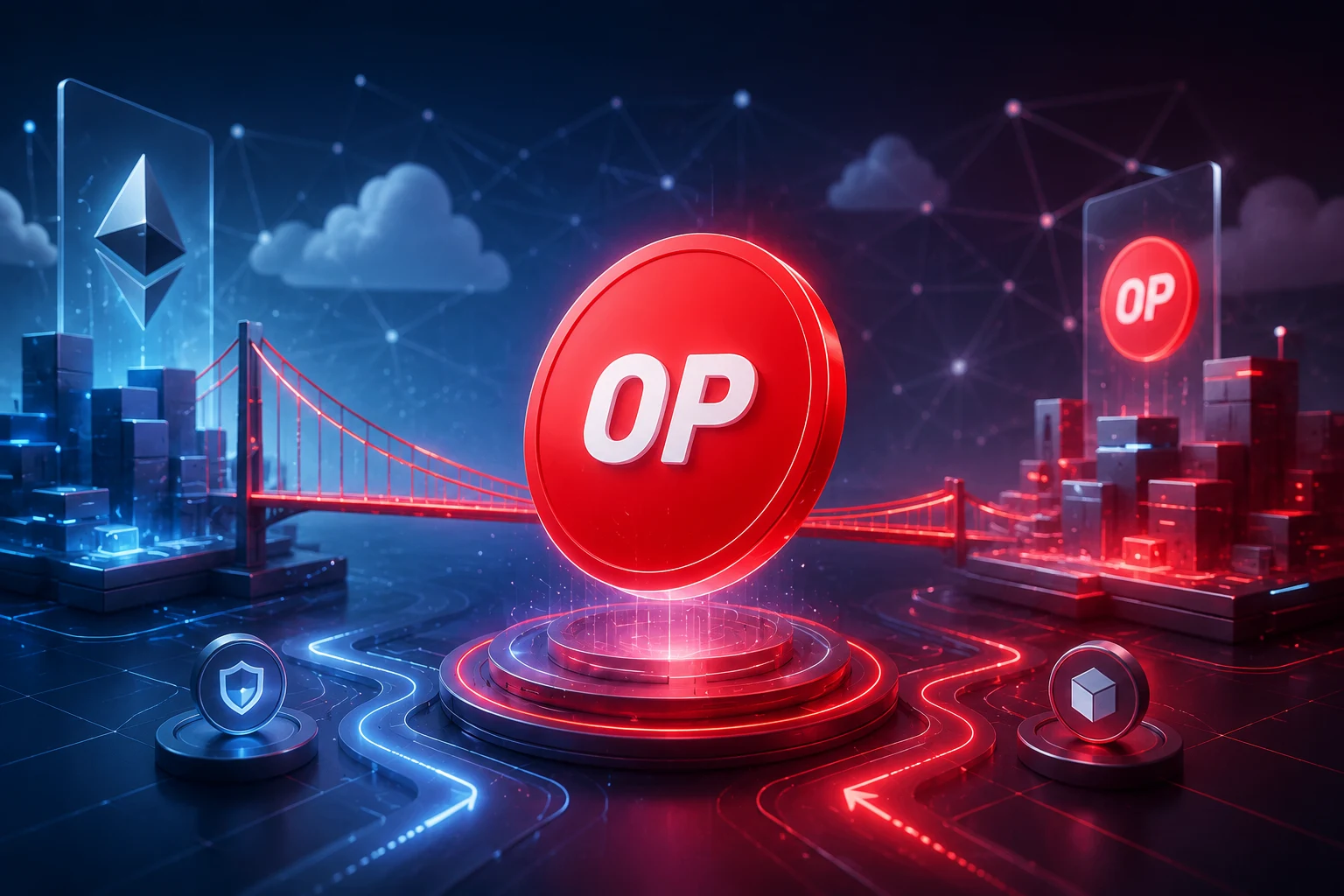
Optimism in context
Optimism launched as one of the first optimistic rollups on Ethereum and grew into a different kind of project than its competitors. While Arbitrum focused on building the best single L2, Optimism took a more software-distribution approach: build the L2 stack as open-source code, let anyone deploy their own L2 on it, and link them together into a coordinated network. That network — the Superchain — is what makes Optimism different from running a single chain.
The biggest validation came when Coinbase chose the OP Stack to build Base, its own L2. Many other chains followed: Worldcoin, Zora, Mode, and more. Each is its own chain with its own users, but all share the same underlying framework and can in principle interoperate.
How Optimism actually works
OP Mainnet: the flagship rollup
OP Mainnet is the original Optimism chain — an optimistic rollup that bundles thousands of transactions, executes them off-chain, and posts the data back to Ethereum mainnet. "Optimistic" means transactions are assumed valid unless someone proves fraud within a challenge window (typically about seven days). The model is much cheaper than running everything on Ethereum mainnet, while still inheriting Ethereum's security. Our explainer on Layer 2 blockchains covers the broader category.
The OP Stack and the Superchain
The OP Stack is the modular open-source framework that powers OP Mainnet. Any team can use it to launch their own L2. Each OP Stack chain is independent but uses the same underlying technology, which makes the chains naturally interoperable. The Superchain is the name for the coordinated federation of these chains — chains that share security guarantees, bridging infrastructure, and a common governance vision.
Strategically, this is a different bet from chains that try to grow a single ecosystem. Optimism is betting that L2s will proliferate and that a shared stack with native interoperability will win against fragmented competitors.
Base and other OP Stack chains
The most visible OP Stack chain is Base, built by Coinbase. Base launched in 2023 and has grown into one of the largest L2s by activity. The OP Stack also powers Worldcoin, Zora (the NFT-focused chain), Mode, and an expanding list of consumer-focused L2s. Each is its own chain with its own communities, but the underlying stack is shared.
What the OP token is for
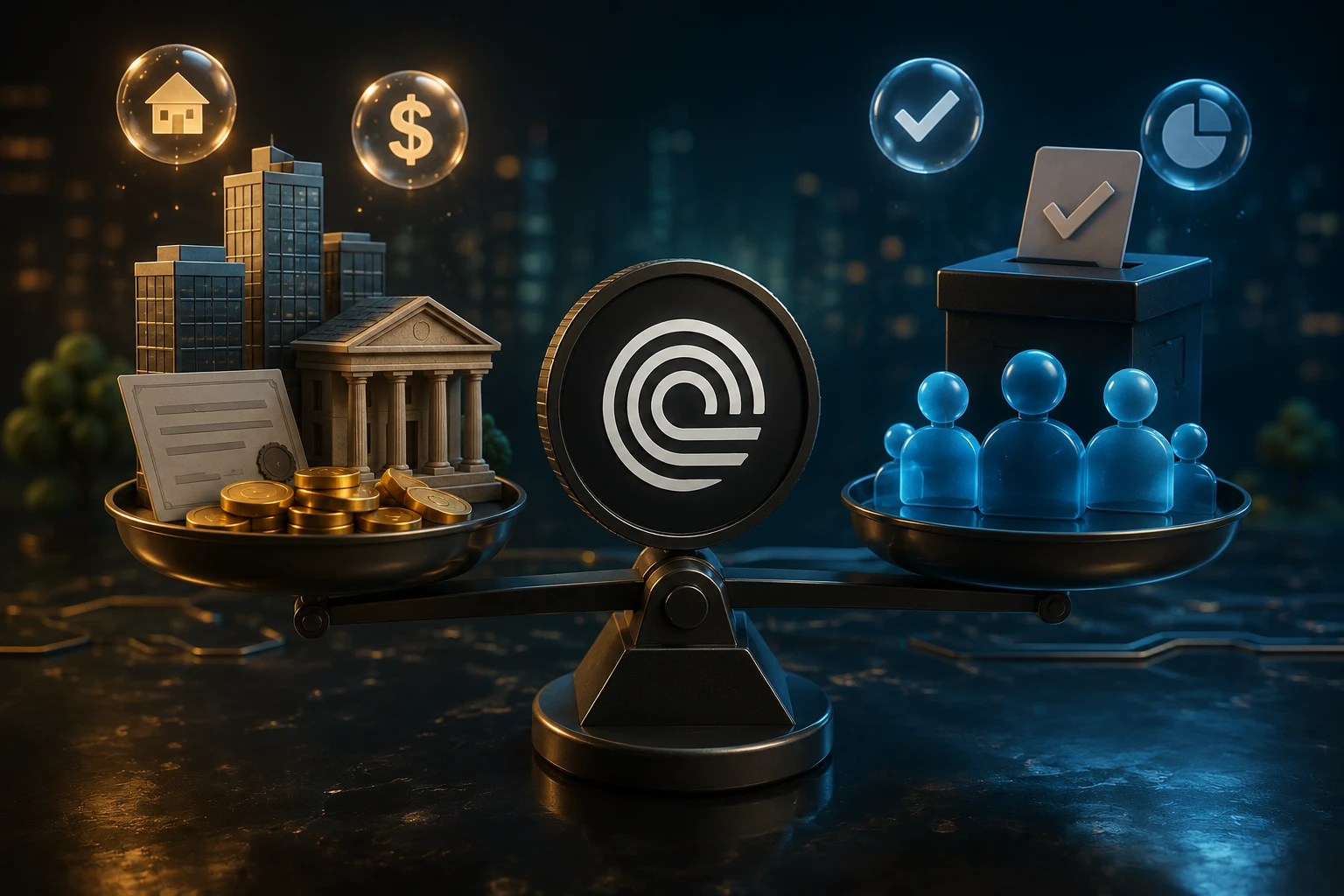
OP is the governance token of the Optimism Collective:
- Governance. OP holders vote on protocol upgrades, treasury allocation, and Superchain coordination decisions through a bicameral system called the Citizens' House and Token House.
- Treasury. The Optimism Collective controls a large treasury denominated in OP, used to fund builders, public goods, and Superchain coordination.
- Retroactive public-goods funding. Optimism pioneered RetroPGF (now Retro Funding), a model where past public-good contributions are rewarded with OP from the treasury. The idea is that what matters in retrospect is easier to judge than what will matter in the future.
- No gas role. Like ARB on Arbitrum, OP is not the gas token. Gas on OP Mainnet is paid in ETH.
RetroPGF is one of crypto's more ambitious experiments in non-market funding. Rounds have distributed millions of OP tokens to ecosystem contributors, infrastructure builders, and open-source projects with no expectation of return.
The Optimism ecosystem
Optimism is now better described as an ecosystem than a single chain:
- OP Mainnet — the flagship general-purpose L2, hosting DeFi, NFTs, and consumer apps.
- Base — Coinbase's L2 on the OP Stack, with consumer onboarding deeply integrated with the Coinbase exchange.
- Worldcoin / Zora / Mode / others — purpose-built OP Stack chains for identity, NFTs, restaking, and more.
- Superchain coordination — shared bridging, security upgrades, and governance across all OP Stack chains.
Optimism versus other Layer 2 approaches
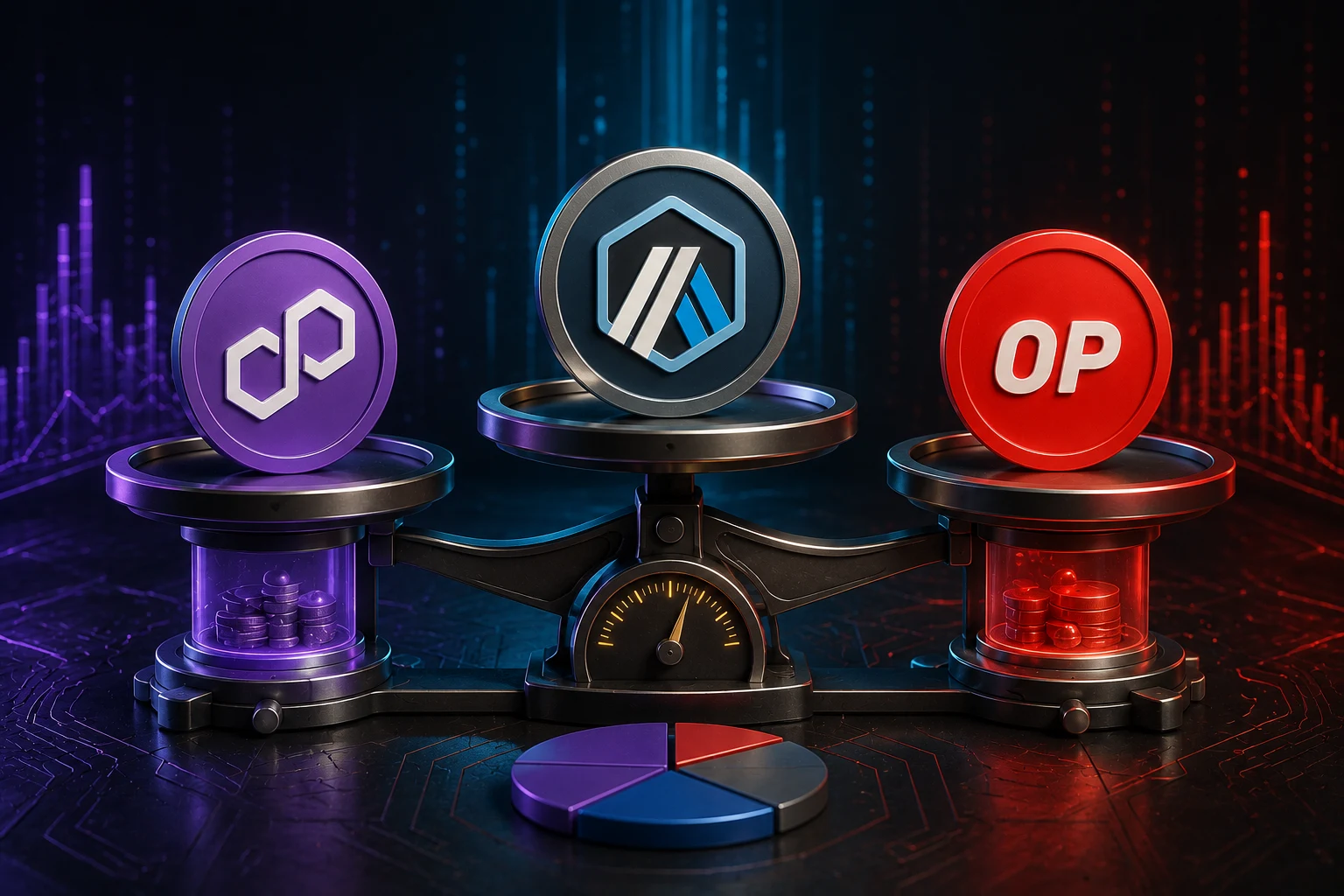
The most direct comparison is with Arbitrum and Polygon. Arbitrum and Optimism are both optimistic rollups with similar security models but very different strategies — Arbitrum has focused on running the best single chain plus Orbit L3s, while Optimism has pushed harder on the OP Stack and Superchain. Polygon's CDK and AggLayer take a similar multi-chain approach with a different technical foundation. The interesting question is whose interoperability story actually wins in practice.
Compared with zero-knowledge rollups, Optimism's optimistic model gives a longer canonical withdrawal window but is simpler to reason about and has been battle-tested for longer. Each technical model has trade-offs around finality speed, complexity, and audit surface.
The risks worth knowing
- Sequencer centralization. Like Arbitrum, OP Mainnet currently relies on a single sequencer. Decentralizing the sequencer is on the roadmap but is a multi-chain coordination problem at Superchain scale.
- Optimistic withdrawal delay. Canonical withdrawals from any OP Stack chain to Ethereum take about seven days. Fast bridges work around this but introduce other trust assumptions.
- Superchain interoperability is still being built out. Cross-chain messaging within the Superchain is improving but not yet seamless. Cross-Superchain bridges and shared liquidity remain works in progress.
- Competition is fierce. Arbitrum, Polygon, and zk rollups are all competing for the same scaling slot. The OP Stack's distribution model is a bet, not a guarantee.
- Token volatility. OP is a volatile asset, and its governance-only role makes its economics different from a gas token. Past returns are not predictive.
None of this is investment advice. Treat any crypto position as money you can afford to lose.
Following Optimism without the noise
Optimism news now spans OP Mainnet, Base, Worldcoin, Zora, and the broader Superchain. Zippfeed surfaces Optimism headlines with sentiment scoring (bullish, neutral, or bearish) and an importance rating, so you see what actually moves the network instead of every Base airdrop rumor. That is the difference between reading the signal and chasing OP Stack chatter.
 CoinDesk
 CryptoSlate
 Crypto Rank News