








Learn
Evergreen guides — pick a topic and go deep.
-
 tokens
HYPE vs ASTER vs JUP: Perp DEX Token Economics Compared
HYPE routes 99% of fees to buybacks, JUP is mostly governance, and ASTER is a high-FDV newcomer with heavy unlocks. Here is what the numbers actually say.
-
 tokens
Ethena ENA Token: Real Yield or Reflexive Hype?
Ethena's USDe dollar posts double-digit yield by going long spot ETH and short ETH perps, but the trade depends on funding rates staying positive and counterparty solvency holding.
-
 tokens
ONDO Token Value Capture: Real RWA Yield or Just Voting Rights?
ONDO holders don't receive OUSG or USDY yield. The token gives governance rights while Ondo Finance keeps most fee revenue. Here's how the cashflow really flows.
-
 tokens
USDtb vs BUIDL vs OUSG vs USYC: Treasury Tokens Compared
Tokenized US Treasury products all look similar on a yield dashboard, but three of the four lock out most retail users with KYC and seven-figure minimums.
-
 tokens
Hyperliquid HYPE Tokenomics and Buyback Mechanics Explained
Hyperliquid directs roughly 97% of trading fees back to HYPE holders through weekly Dutch auctions, not through staking yield, which makes its token model genuinely unusual.
-
 tokens
BFUSD vs USD0 vs USDF: Newest Yield-Bearing Dollars Compared
BFUSD, USD0, and USDF all pay yield but get it from very different places. Here is the structural breakdown of perp funding, RWA collateral, and synthetic dollars.
-
 tokens
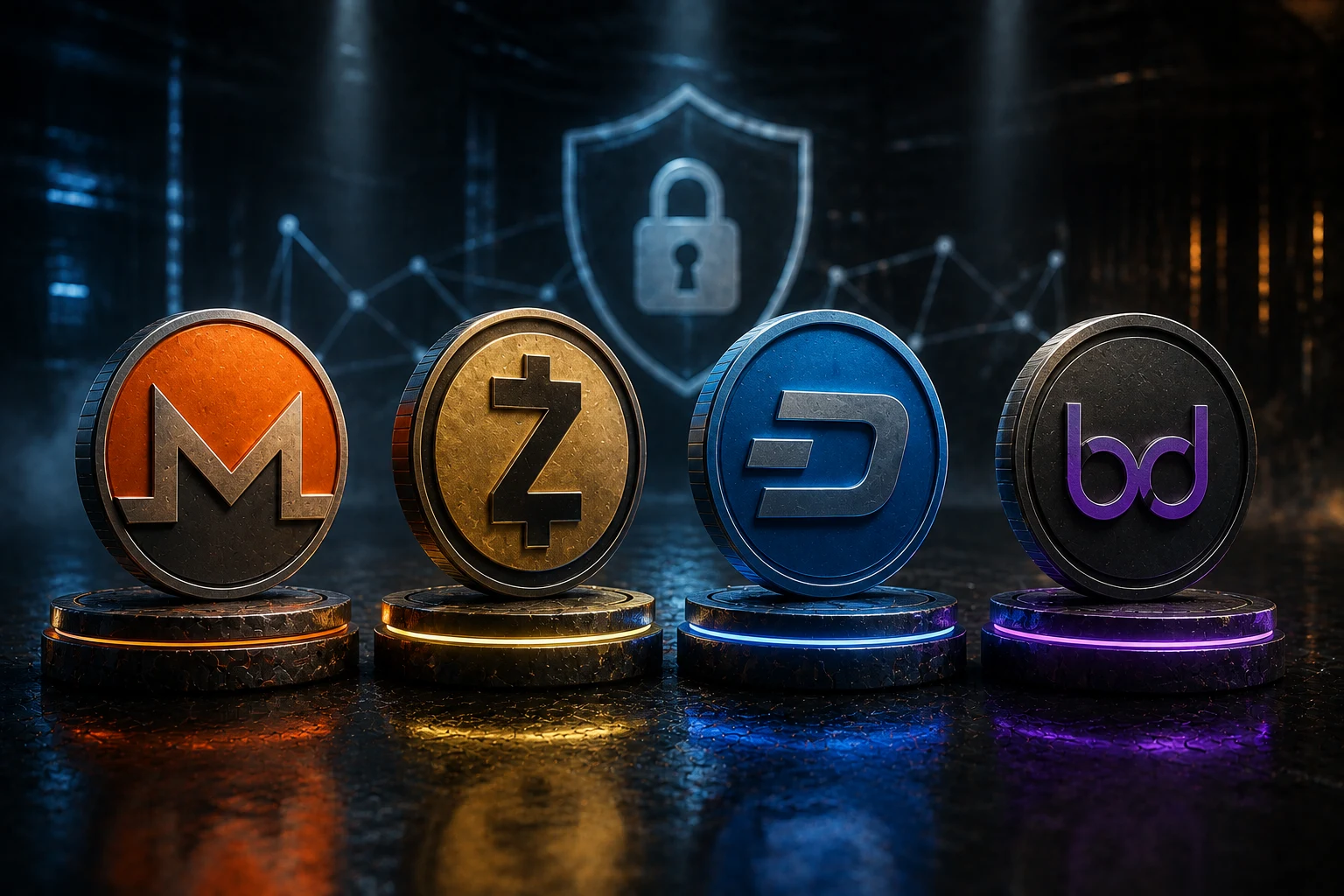
XMR vs ZEC vs DASH vs BDX: Privacy Coins Compared Honestly
Privacy coins promise anonymity, but regulators and exchanges have pushed back hard. Here's how XMR, ZEC, DASH, and BDX actually differ in 2025.
-
 tokens
A7A5 Stablecoin: What It Is and the Sanctions Risk
A7A5 is a ruble-pegged stablecoin linked to sanctioned Russian entities. Here is how it works, who issued it, and what OFAC's designation means for users.
-
 tokens
Memecore vs Official Trump vs Pudgy Penguins: Meme Tokenomics
Three meme tokens look similar on a chart. Their on-chain concentration, unlock schedules, and brand backstops tell a very different story.
-
 tokens
HASH vs STX vs Corn: Bitcoin L2 Tokens Compared
Three tokens share the Bitcoin L2 label but target different users: institutional finance (HASH), smart contracts (STX), and BTCFi yield (Corn). They are not substitutes.
-
 tokens
LIT (Lighter) Tokenomics: Inside a Perp DEX Token Explained
LIT is the governance and fee-share token of Lighter, a zk-rollup perpetual DEX. Here is what is documented, what is still aspirational, and where the real risks sit.
-
 tokens
Bitcoin vs Ethereum vs Solana Tokenomics: What Is Actually Different
A plain-English comparison of BTC, ETH, and SOL supply mechanics, halvings, burn rates, and staking yields, with no tribal hype.
-
 tokens
WLD vs GRASS vs RAIN: Data Tokens Compared Honestly
Worldcoin, Grass, and Rain all pitch 'data ownership' but do very different things. Here is how their privacy models, revenue mechanics, and regulatory risks actually compare.
-
 tokens
LINK vs PYTH vs NEAR: How These Crypto Tokens Actually Capture Value
LINK, PYTH, and NEAR all sit at the edge of crypto data, but their token economics, revenue, and unlock risks differ sharply. Here's what each one really does.
-
 tokens
AI Token Tokenomics Explained: Supply, Unlock, and Capture
AI tokens aren't all structured the same. TAO, VIRTUAL, FET, VVV, and RENDER share a label but hide very different supply, unlock, and fee-capture designs.
No published guides yet — check back soon.