








Learn
Evergreen guides — pick a topic and go deep.
-
 trading
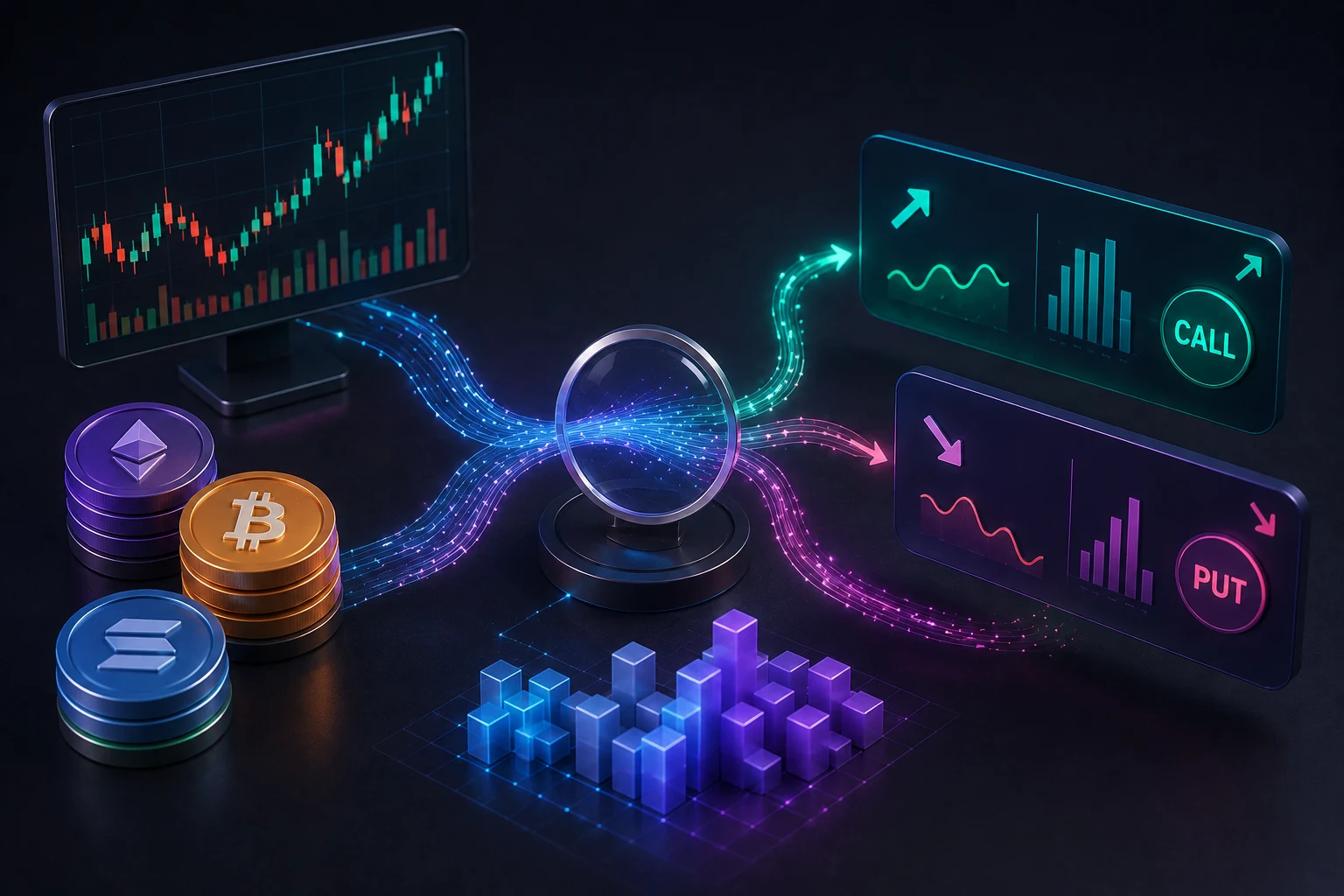
How to Read Crypto Options Flow Beyond Price Charts
A $50 million BTC call can be a hedge, a spread, or a dealer transfer. Learn which fields matter before treating crypto options flow as a signal.
-
 trading
What Is a Perpetual Futures Funding Rate Cascade, Exactly?
Positive funding means longs pay shorts, but the real warning is crowded leverage: one sharp move can turn liquidations into a self-reinforcing cascade.
-
 trading
Open Interest vs Notional in Crypto Options, Explained
A $5B open interest figure can mean five completely different setups. Here is how contract size, expiry clustering, and delta weighting change the signal you actually read.
-
 trading
How to Read the Crypto Basis Trade and When It Breaks
A positive BTC basis can resemble safe yield, but leverage, funding shifts, and liquidation rules can turn a hedged trade into forced spot selling.
-
 trading
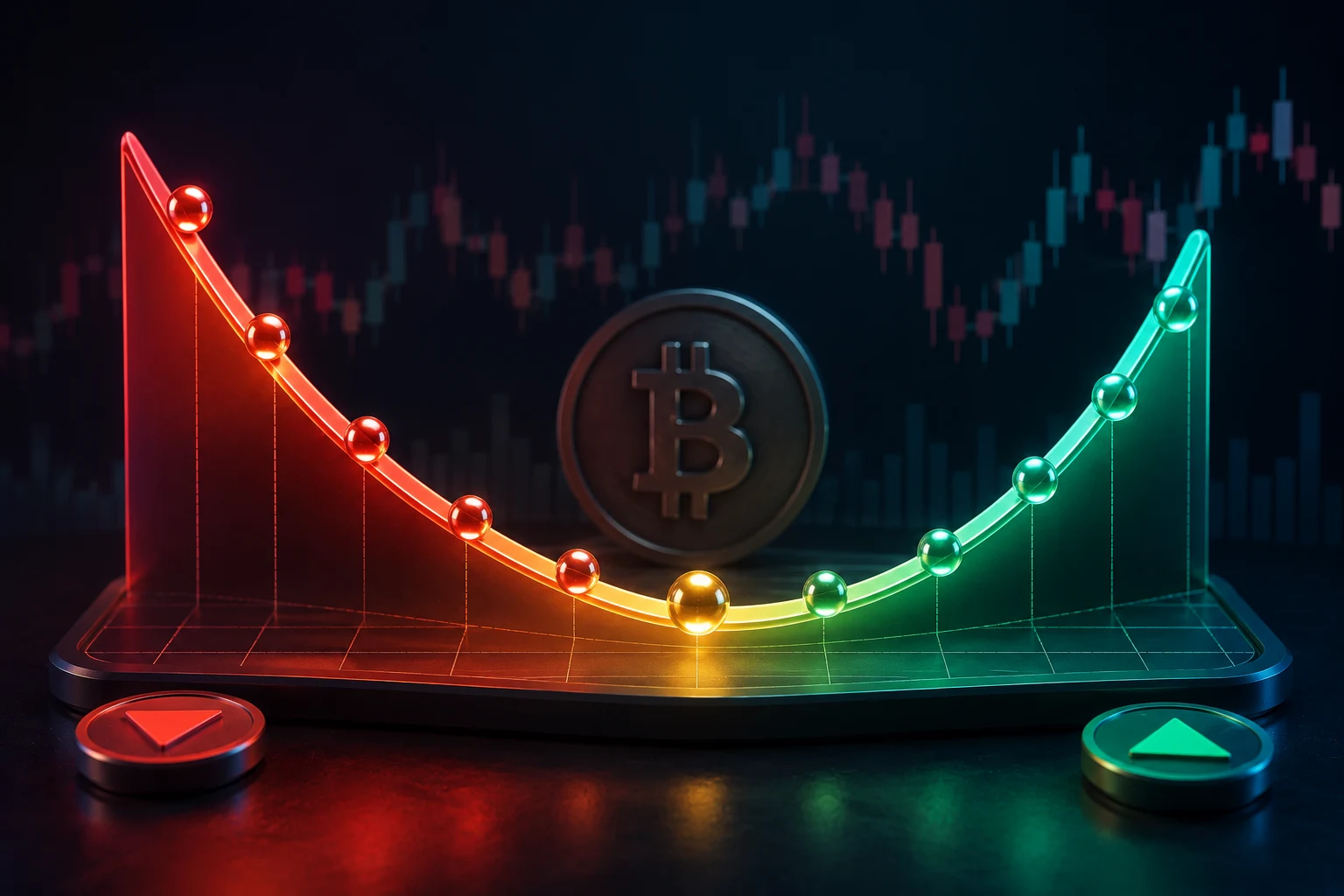
Implied Volatility Skew in Crypto Options, Explained
Crypto skew is persistently negative because traders crowd into downside puts. Here is what that fear costs, how to read it, and where the data lives.
-
 trading
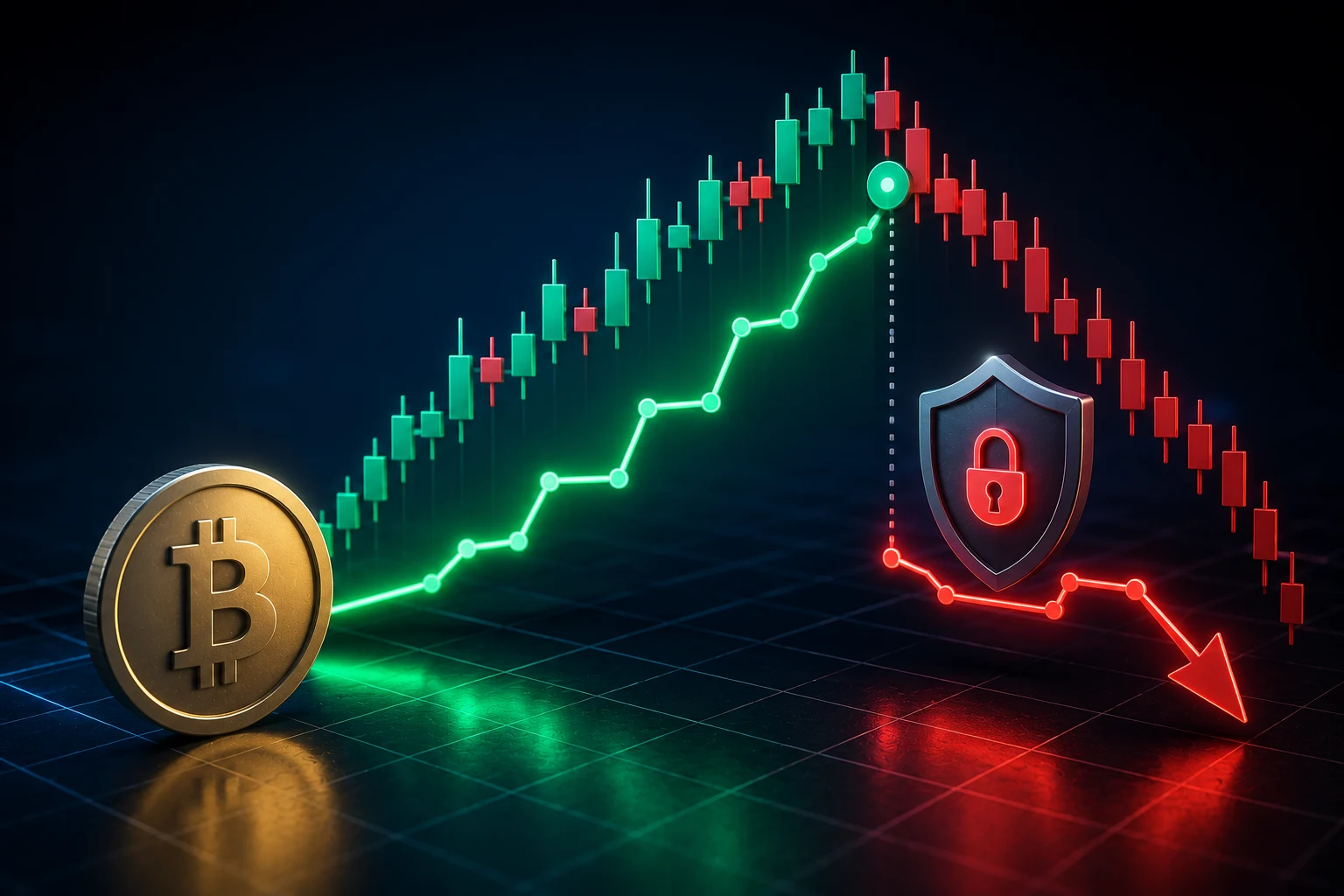
What Is a Trailing Stop and When It Helps
A trailing stop is an order that follows price upward and locks in gains, but it chops you out in sideways markets and behaves very differently on spot vs leverage.
-
 trading
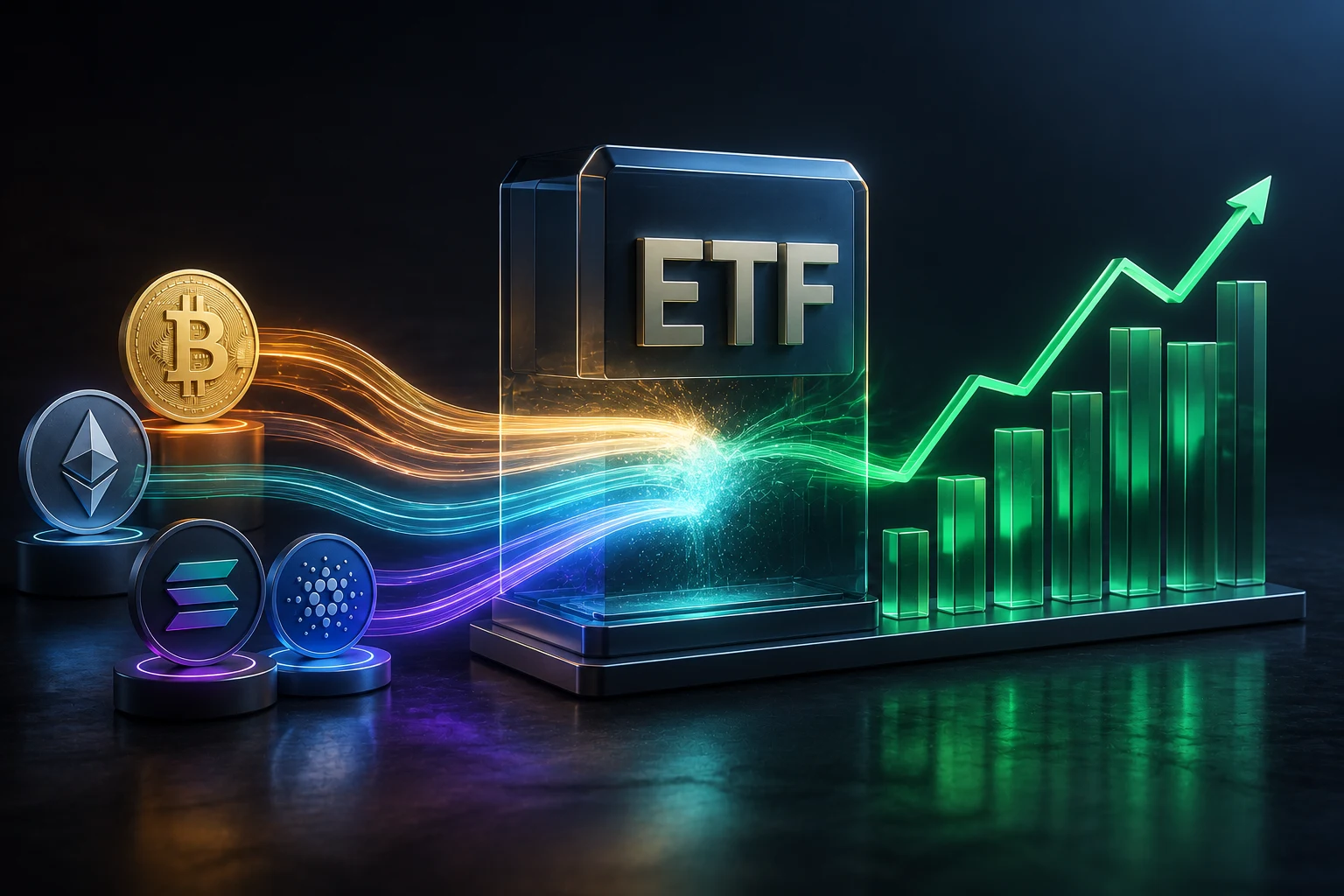
How to Read Spot Crypto ETF Flow Data Without Misleading Yourself
Spot BTC and ETH ETF flows look like a single tidy number, but the plumbing underneath hides authorized participants, custodians, and creation baskets that distort the signal.
-
 trading
What Is the Taker-Maker Fee Model in Crypto?
Exchanges charge takers more and often pay makers a small rebate. Here is why that asymmetry exists and how it quietly shapes every trade you place.
-
 trading
How to Read Implied Volatility Skew in Crypto
Crypto implied volatility skew shows whether traders are paying more for downside puts or upside calls, making it a real-time fear gauge you can read in seconds.
-
 trading
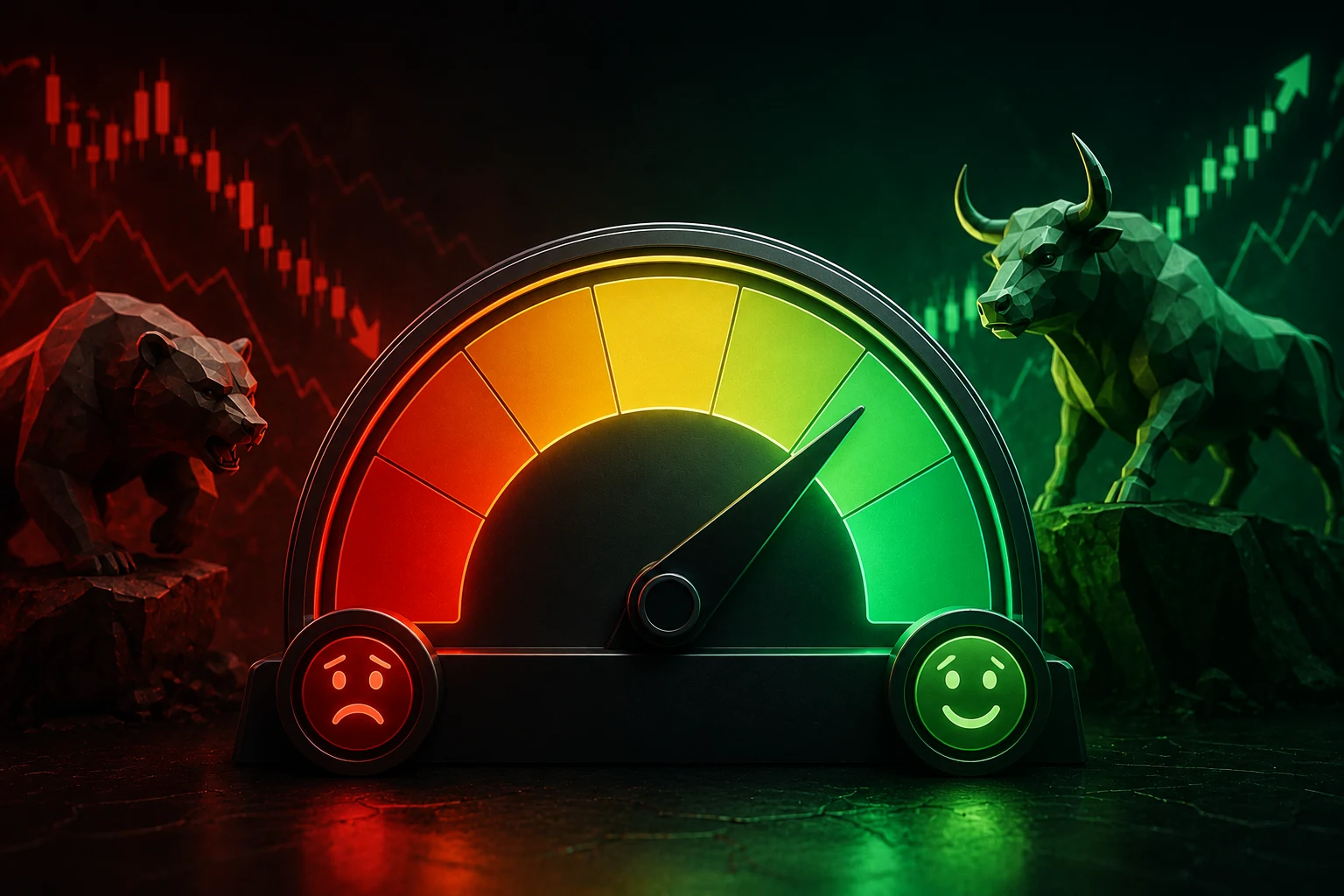
How to Read the Crypto Fear and Greed Index
Most new traders treat the Fear and Greed Index as a buy or sell signal. The honest answer is that extremes matter more than the daily number, and even those can stay pinned for weeks.
-
 trading
What Is a Crypto Basis Trade and When Does It Break?
A cash-and-carry basis trade looks like free yield, but it relies on convergence. Here is how it works and the failure modes that wiped out leveraged books.
-
 trading
Crypto Market Makers Explained: How They Profit and Lose
Crypto market makers profit from spreads, rebates, and inventory turnover, but they can lose millions in hours when liquidity disappears. Here is how the model actually works.
-
 trading
How to Spot Low-Float Crypto Manipulation at Launch
Most freshly minted low-cap tokens trade on tiny supply, letting a few wallets print the chart. Here are the holder patterns and on-chain tells that have preceded past dumps.
-
 trading
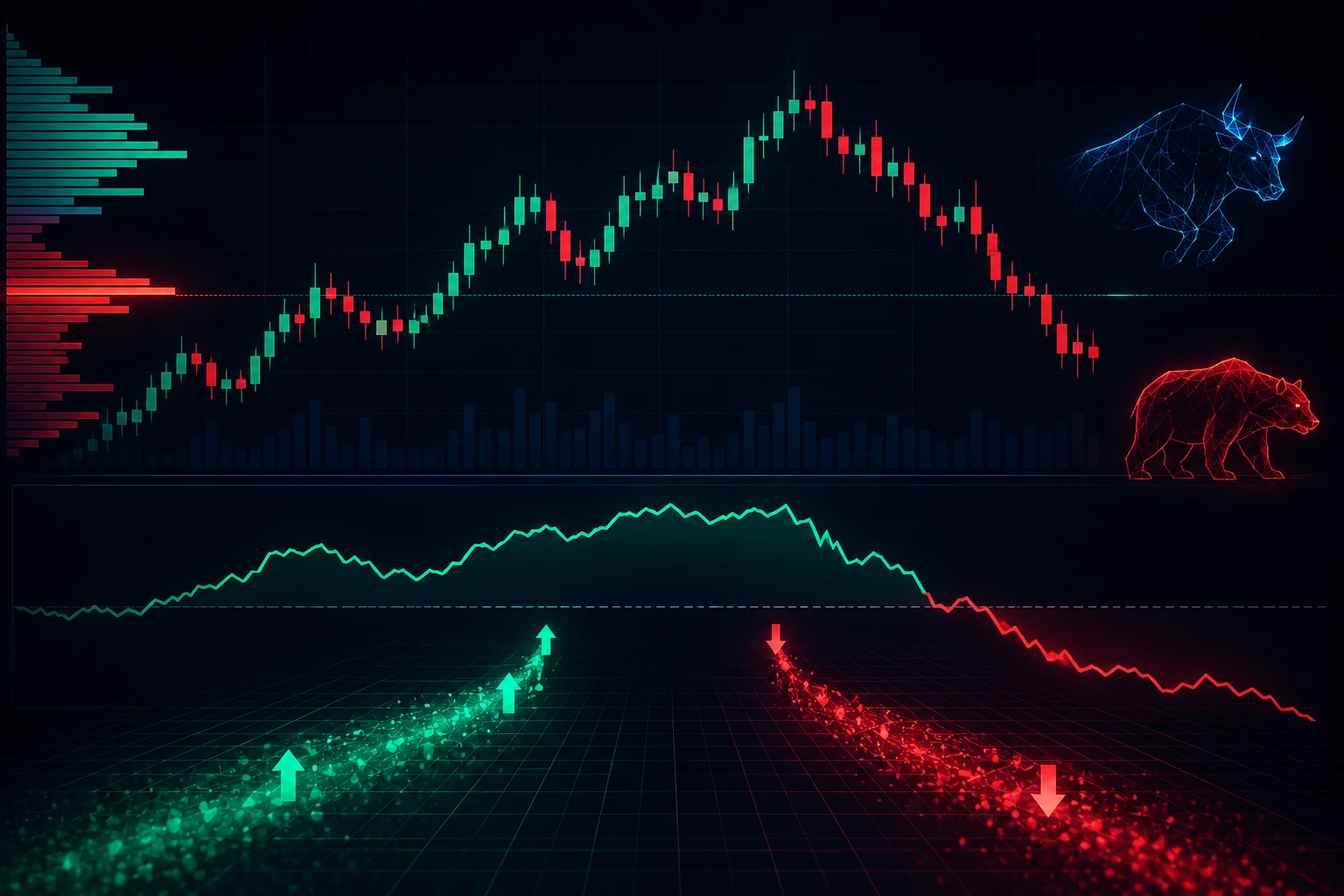
How to Read CVD (Cumulative Volume Delta) in Crypto
Cumulative Volume Delta tracks whether buyers or sellers are in control by adding up the difference between buy and sell volume over time. It signals momentum shifts and divergences, but raw exchange data is noisy.
-
 trading
Funding Rates vs Borrow Costs in Crypto Trading
Perp funding is paid every 8 hours and can flip negative. CEX borrow APR compounds daily. Here is who actually pays which, and when.
No published guides yet — check back soon.